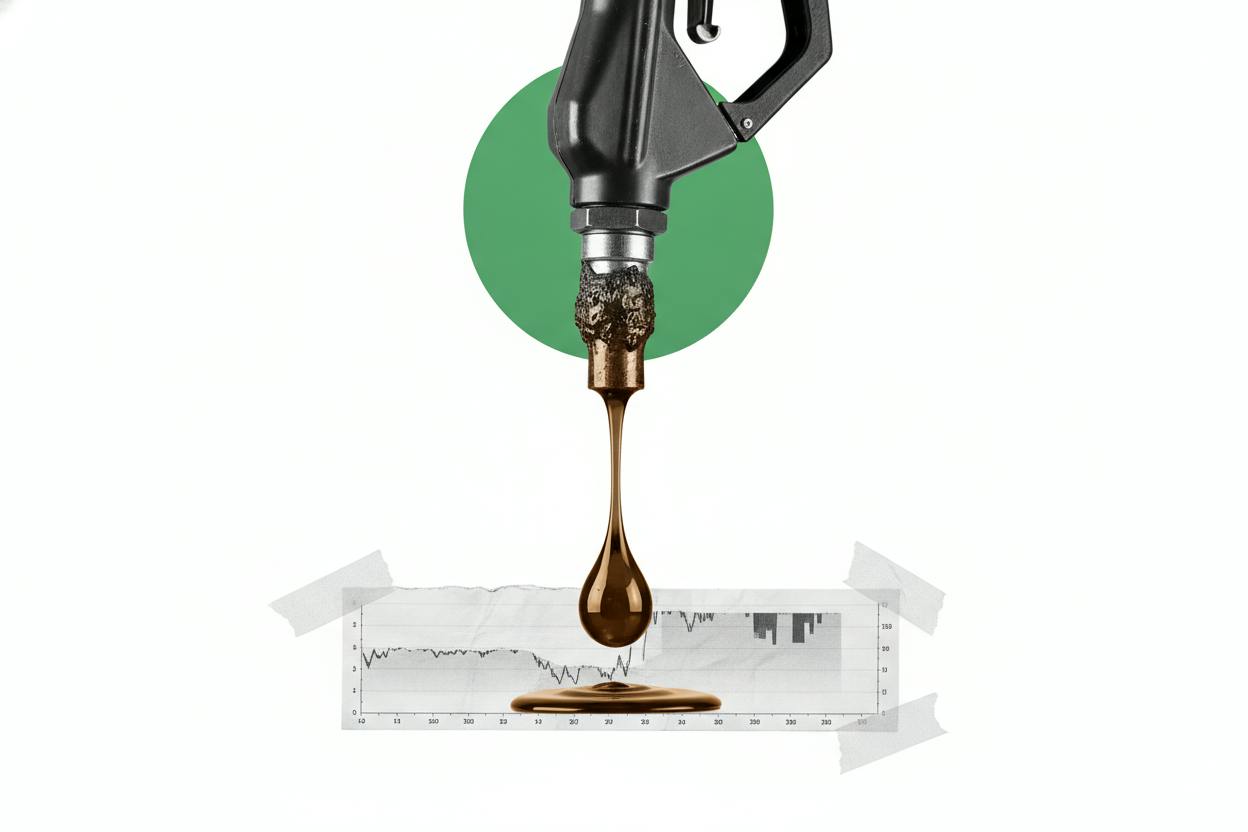
Malaysian palm oil futures edged higher on Wednesday, with the January contract rising 0.45% to 4,722 ringgit per ton. The move came as firmer crude oil prices lent support, offsetting mixed signals from rival vegetable oils and a slightly stronger ringgit.
Palm oil sits at the intersection of two very different markets: food and fuel. As an edible oil, it competes with soybean oil, rapeseed oil, and sunflower oil for buyers around the world. But it is also a key feedstock for biodiesel, which ties its price to the energy complex. That dual role means traders constantly weigh what is happening in both arenas.
Mixed signals from vegetable oil rivals
On the food side, the day's signals were split. Dalian soyoil futures in China rose 0.36%, offering some support, while Chicago soyoil fell 0.52%, pulling in the other direction. Because palm oil is priced against these alternatives, any move in soyoil tends to ripple through the market.
The stronger ringgit added another headwind. Malaysia's currency gained 0.12% against the US dollar, which makes ringgit-denominated palm oil more expensive for international buyers. All else being equal, a firmer currency can dampen demand and weigh on futures.
Yet crude oil proved the dominant force. When crude prices firm, the economics of biodiesel improve. Fuel sellers can typically charge more for biodiesel when crude is higher, which lets them pay up for feedstocks like palm oil. That dynamic can push palm futures up even when edible-oil fundamentals are soft.
Biodiesel demand is the key link
This is not just a theoretical connection. Palm oil is one of the most widely used feedstocks for biodiesel, particularly in Southeast Asia. When crude oil rallies—whether due to refinery disruptions, geopolitical tensions, or supply concerns—biodiesel becomes more competitive with conventional diesel. That can translate directly into stronger demand for palm oil.
As a result, palm oil futures can sometimes trade more like an energy commodity than a grocery staple. A spike in crude prices can lift palm even if harvests are abundant or rival oils are cheap. Conversely, a drop in crude can drag palm down even when food demand is steady.
For everyday investors, this means palm oil prices are not just about weather and crop yields. They are also a barometer of energy market sentiment. Watching crude oil can offer clues about where palm oil might head next, especially in periods of oil price volatility.
European imports tell a cautionary tale
Zooming out, the broader demand picture is uneven. European Commission data showed EU palm oil imports in the 2026/27 season through October 25 were down 21% year on year, at 0.8 million tons. That decline reflects a longer-term trend: European buyers have been shifting away from palm oil due to sustainability concerns and stricter regulations, even as global demand in other regions remains resilient.
The drop in European imports is a reminder that palm oil's demand base is changing. While biodiesel and Asian food demand may support prices in the near term, the European pullback could cap gains over the longer run.
What it means for investors
For those watching commodity markets, Wednesday's move shows how crude oil can override vegetable-oil signals. The January contract at 4,722 ringgit a ton is a clear example of energy-linked demand taking the wheel.
That dynamic can add volatility to palm oil futures. A sudden jump in crude prices—perhaps from a geopolitical event or a refinery outage—could send palm higher even if soyoil is falling. On the flip side, a sharp drop in crude could erase gains quickly.
Investors with exposure to palm oil, whether through futures, ETFs, or companies in the sector, should keep an eye on both the oil market and currency moves. A stronger ringgit can squeeze exporters, while a weaker one can boost competitiveness. And the ongoing shift in European demand is a structural factor that may weigh on prices over time.
For now, the market is balancing these forces. Wednesday's small gain suggests that, at least for the moment, crude oil is the stronger pull. But as always in commodities, the balance can shift quickly.