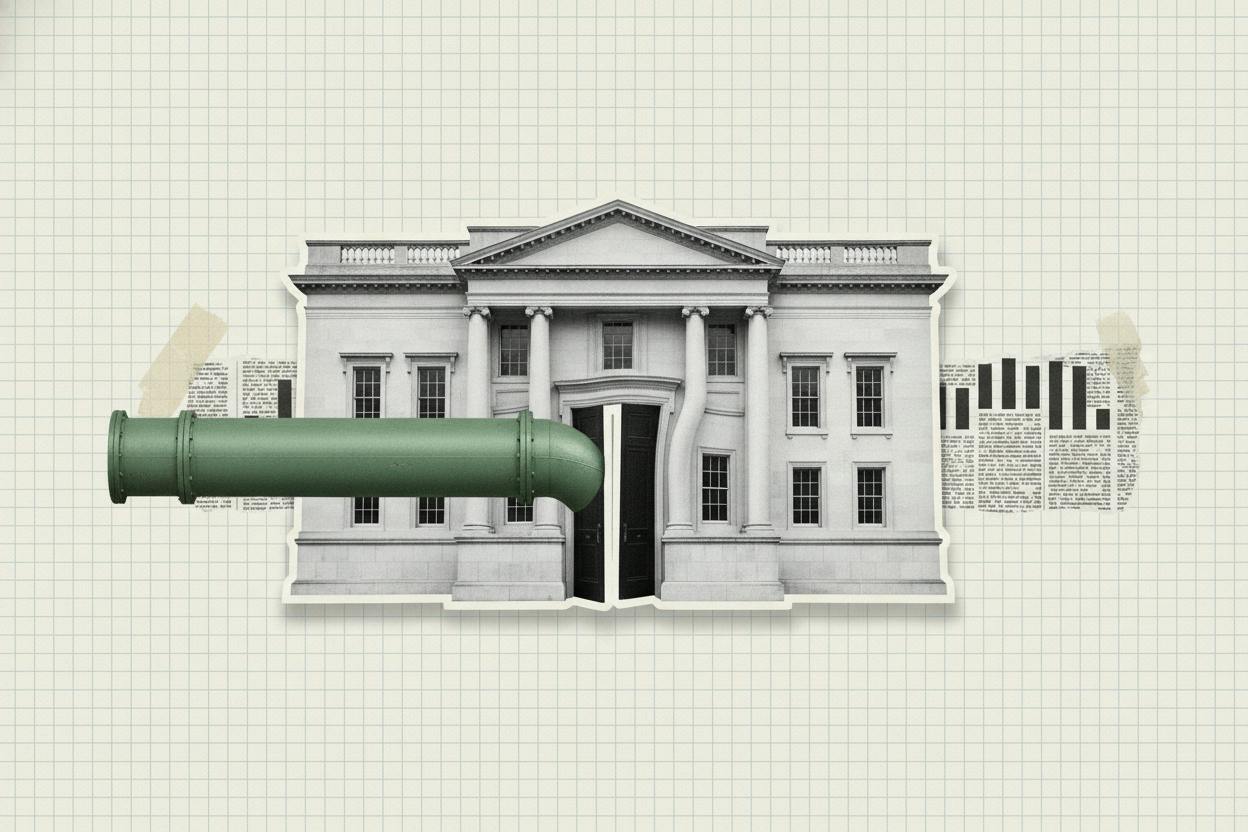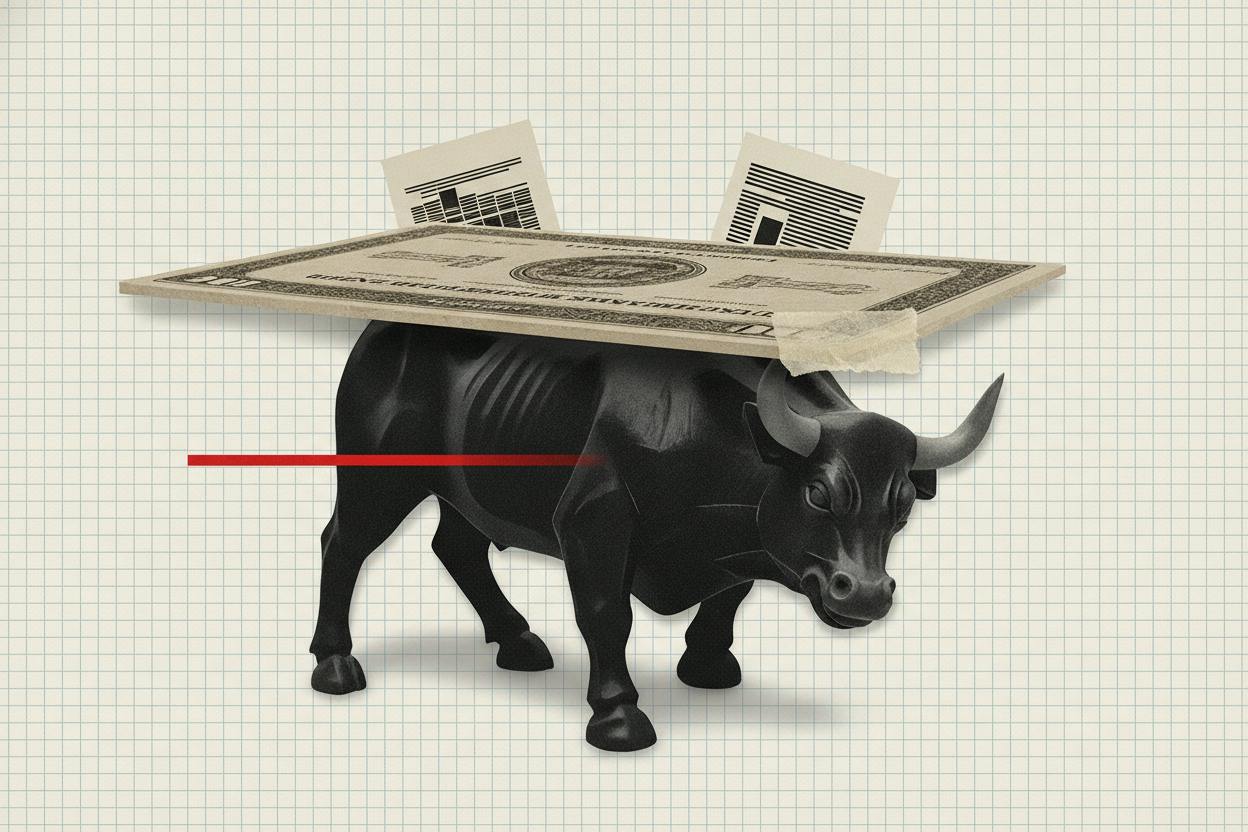
Wall Street's recent run to record highs is about to face its toughest test yet. Next week brings two of the most closely watched economic data points — the October payrolls report and the Federal Reserve's preferred inflation gauge, the personal consumption expenditures (PCE) price index. Both land at a delicate moment: Treasury yields are hovering above 5%, and the stock market's gains are increasingly concentrated in a handful of megacap names.
What's on the calendar
The jobs report, due on the first Friday of November, will give investors the latest read on the labor market. Strong hiring could reinforce the case for the Fed to keep interest rates higher for longer — or even hike again. Weak numbers, by contrast, might ease those fears but could also signal that the economy is cooling faster than expected.
Just before that, the PCE price index — the Fed's go-to measure of inflation — will show whether price pressures are truly coming down. Unlike the more widely cited consumer price index (CPI), PCE captures changes in consumer behavior, like swapping pricier brands for cheaper ones, and is the metric the central bank targets when setting policy.
Together, these two reports will help shape expectations for the Fed's next move. If inflation stays sticky and hiring remains robust, markets may start pricing in another rate hike. If both cool off, the door opens for a pause — or even cuts sometime next year.
The bond market is sending a warning
One of the biggest headwinds for stocks right now is the surge in Treasury yields. When yields on government bonds climb above 5%, they become a more attractive alternative to stocks, especially for investors who want steady income without the volatility of equities. Higher yields also raise borrowing costs for companies, which can squeeze profit margins and slow investment.
The recent move in yields has been driven by a mix of strong economic data, heavy government borrowing, and lingering inflation concerns. As global bond yields have climbed to multi-year highs, the pressure has spread well beyond the US.
A narrowing rally
The stock market's resilience is also looking increasingly fragile beneath the surface. While major indexes like the S&P 500 have stayed near their highs, that strength is coming from a shrinking group of stocks. Megacap technology and AI-linked companies have carried the load, while many other stocks have drifted lower. The equal-weight S&P 500 — which gives every company the same influence regardless of size — fell about 4% in September, a sign that the average stock is struggling even as the index holds up.
This kind of narrow leadership is often a red flag. When a few giants prop up the market, a stumble in those names can drag the whole index down. It also suggests that investors are paying a premium for safety and growth at any price, which can leave little room for error.
What it means for everyday investors
For the average investor, the next few days could bring some volatility. Here's what to keep in mind:
- Rate expectations drive everything. If the data comes in hot, expect bond yields to rise further and stocks to feel the pinch. If it comes in cool, markets could breathe a sigh of relief.
- Diversification matters. With the rally so concentrated, having a mix of assets — not just the hottest tech names — can help cushion against sudden swings.
- Don't chase the headlines. Short-term moves based on one jobs report or inflation print rarely change the long-term picture. Stick to your plan.
The Fed has repeatedly said its decisions will be data-dependent, and next week's numbers will be a key input. As central banks around the world grapple with similar inflation battles, the stakes are high. A surprise in either direction could reset expectations for the rest of the year.
The bigger picture
This isn't just about one week of data. It's about whether the economy can achieve a soft landing — where inflation cools without triggering a recession — or whether the Fed's aggressive rate hikes will eventually bite. The bond market's message is that investors are less confident in that outcome than they were a few months ago.
For now, the smart play is to stay informed and avoid making impulsive moves. The payrolls and PCE reports will provide clarity, but they won't tell the whole story. As always, the market will keep moving, and the best defense is a well-thought-out strategy that can weather whatever comes next.