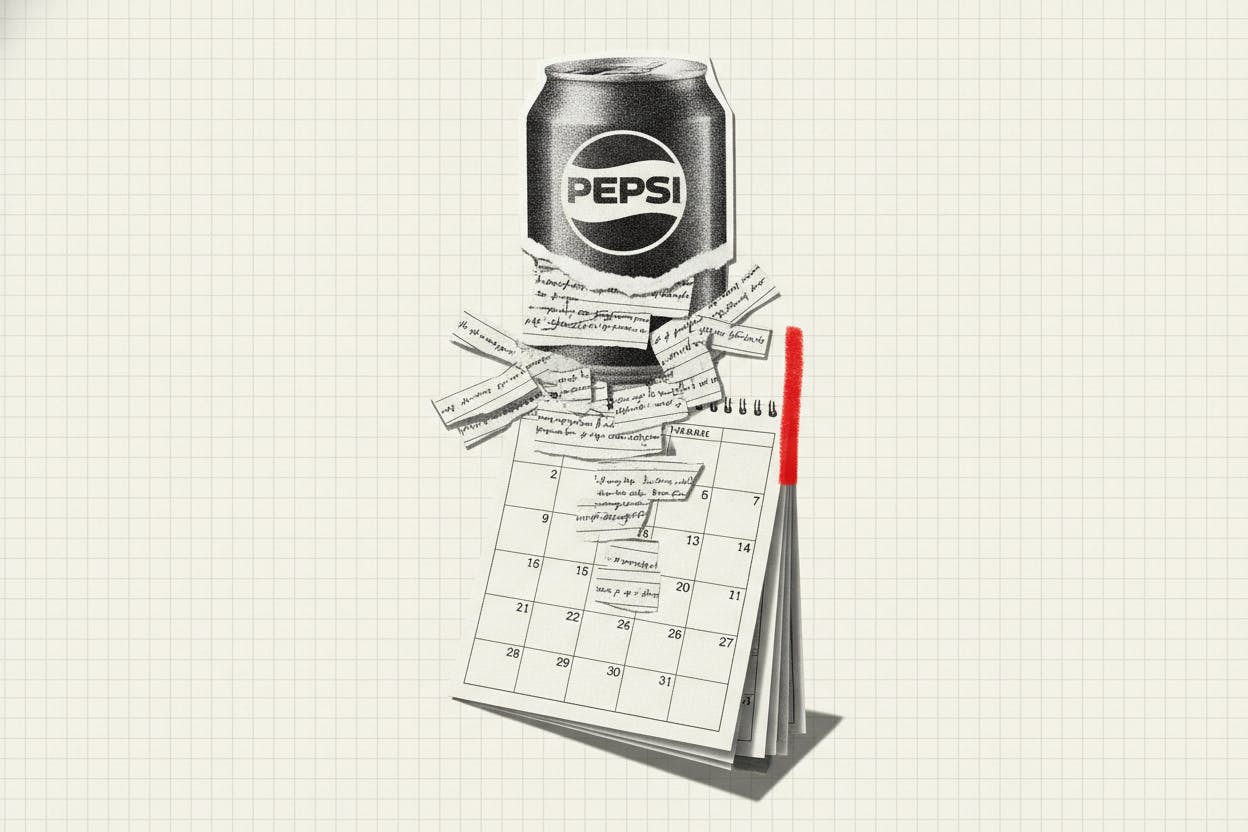
PepsiCo (NASDAQ: PEP) posted a modest earnings beat for its fiscal second quarter, but analysts at UBS are not impressed. The investment bank argues that the headline profit number masked underlying weakness in the snack and beverage giant's core business, shifting investor attention to a second-half outlook that leans heavily on the fourth quarter.
What the numbers show
On the surface, PepsiCo's quarterly earnings per share came in slightly above Wall Street expectations. However, UBS Securities, a global investment banking firm, said the lift came from "below-the-line" items—such as lower taxes or one-off gains—rather than stronger day-to-day business trends. The areas that investors typically watch most closely, organic sales growth and profit margins, fell short of forecasts.
Organic sales strip out the effects of currency fluctuations and acquisitions, offering a clearer view of underlying demand. Gross margin and operating profit margin, meanwhile, measure how efficiently the company turns revenue into profit. When both miss, it suggests that pricing power, volume growth, or cost control are not as strong as hoped.
UBS kept its Buy rating on the stock but cut its price target to $159 from $172, reflecting a more cautious view on near-term earnings power. The bank now expects PepsiCo's earnings growth to land at the low end of management's target range, with third-quarter earnings per share roughly flat compared to a year earlier.
Why the second half looks back-loaded
The softness in Q2 and the expected flat Q3 mean that a disproportionate share of the year's profit growth is now expected to come in the fourth quarter. UBS described the year as "heavily weighted toward Q4," a pattern that raises forecast risk. When one quarter has to do most of the heavy lifting, any disappointment in that period can have an outsized impact on full-year results.
This dynamic is especially important for a consumer staples giant like PepsiCo, whose steady earnings and dividends typically attract investors seeking stability. If the back-half ramp fails to materialize, the stock could become more sensitive to analyst estimate changes and management guidance tweaks than to a single quarter's headline beat.
PepsiCo's performance also reflects broader trends in the consumer sector. Earlier this year, the company reported that U.S. consumers were tightening their belts, trading down to cheaper store brands or buying less. That pressure on volumes has been a recurring theme across the food and beverage industry, as higher prices and interest rates squeeze household budgets. For context, Deutsche Bank recently argued that McDonald's U.S. sales may have bottomed in Q2, suggesting that the pain may be easing for some, but not all, consumer-facing companies.
What it means for investors
For everyday investors, the key takeaway is that not all earnings beats are created equal. A beat driven by below-the-line items is often considered lower quality because it does not confirm that the company is gaining pricing power, selling more products, or running more efficiently. Those core signals tend to matter more for valuation: if organic sales and margins are soft, the market is less willing to pay a premium price-to-earnings multiple for the stock.
UBS's price target cut from $172 to $159 reflects this recalibration. While the bank still sees PepsiCo as a Buy, the lower target suggests that the path to earnings growth is narrower than previously thought. Investors should watch for updates on organic sales trends and margin performance in the coming quarters, as well as any guidance changes from management.
The broader market context also matters. With central banks still navigating inflation and interest rate policy, consumer staples stocks like PepsiCo are often seen as defensive plays. But if the underlying business is not delivering the expected growth, even defensive stocks can lose their luster. For now, the focus is on whether PepsiCo can deliver a strong Q4 to salvage the year.