UK homebuilder Persimmon has reassured investors that its 2026 targets remain within reach, helped by a modest uptick in demand for new homes. In a trading update, the company reported that forward private sales – essentially its order book for private homes – rose 3% to £2.15 billion. That covers homes reserved for completion between July 1st 2026 and November 1st 2026.
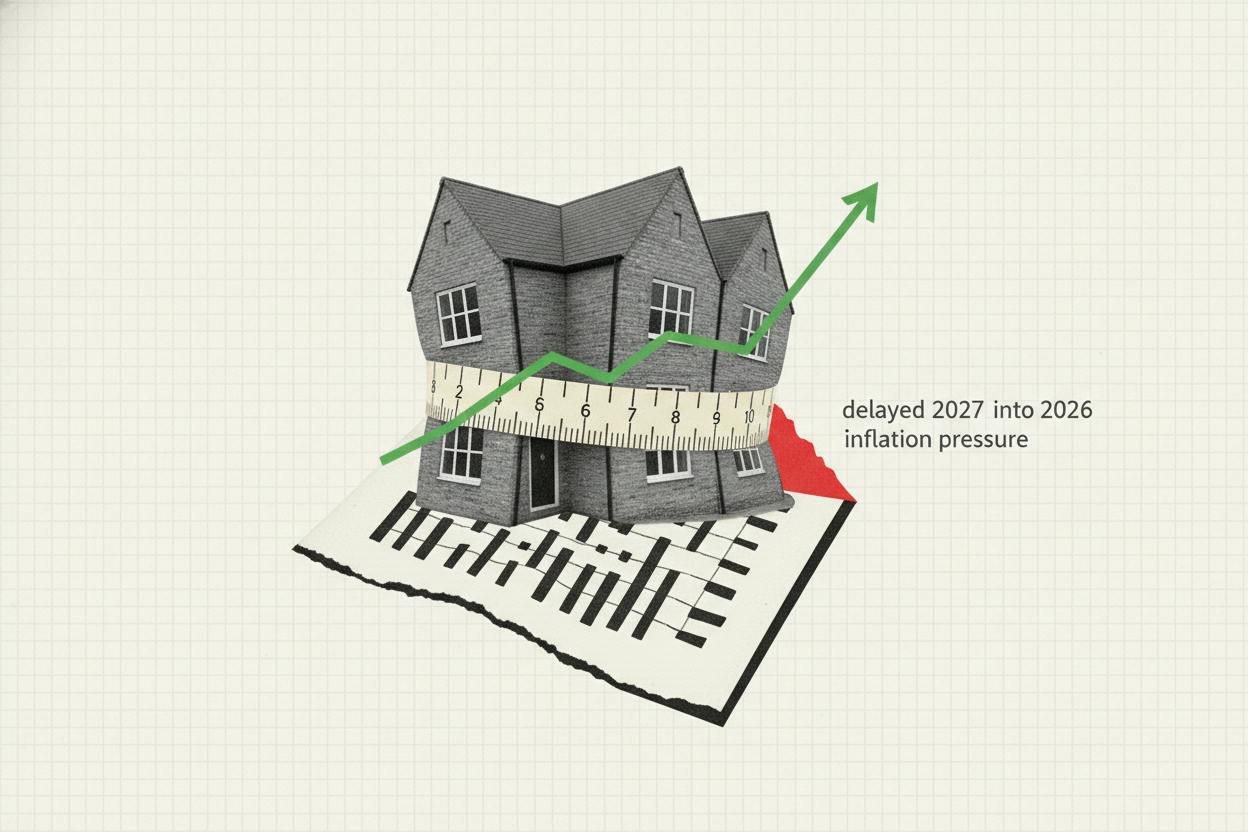
However, the update also carried a warning: Persimmon expects cost inflation of £30 million to £40 million in 2027. That creates a timing mismatch – the company is seeing steadier demand now, but the financial benefits may be partly offset by higher costs down the road.
What the numbers show
Forward private sales are a key indicator for UK housebuilders. They represent the value of homes that buyers have reserved but not yet completed. A rise in this figure suggests that buyer confidence is holding up, even in a market that has faced higher mortgage rates and affordability pressures over the past couple of years.
Persimmon also noted that its sales rate since July 1st has improved to 0.79 net private sales per outlet per week. That's a measure of how quickly homes are being sold at each of its building sites. While the company didn't provide a comparison figure, any improvement in this metric is generally seen as a positive sign for future revenue.
The company's statement that it remains on track for its 2026 goals is significant. Persimmon, like other UK builders, has been navigating a tricky environment: interest rates have been elevated, which raises mortgage costs and can cool demand. Yet the latest data suggests that the market may be stabilising, at least for now.
The cost inflation wrinkle
The £30m-£40m cost inflation expected in 2027 is a reminder that builders aren't out of the woods. This could stem from higher prices for materials, labour, or energy – all of which have been volatile in recent years. For a company that builds thousands of homes annually, even a modest percentage increase in costs can translate into tens of millions of pounds.
Investors will be watching how Persimmon manages these cost pressures. The company may try to pass some of the increases onto buyers through higher prices, but that's not always possible in a market where affordability is already stretched. Alternatively, it could absorb the costs, which would squeeze profit margins.
The timing is also important. Persimmon's 2026 targets are based on current conditions. If cost inflation hits in 2027, it could affect the company's financial performance after that period, potentially impacting dividends or future investment plans.
What it means for investors
For everyday investors, this update offers a mixed picture. On one hand, the rise in forward sales is reassuring – it suggests that demand for new homes remains resilient, which bodes well for Persimmon's revenue in the near term. The company's reaffirmation of its 2026 goals provides some certainty about its medium-term outlook.
On the other hand, the cost inflation warning is a cautionary note. It highlights that the operating environment is still challenging, and that profitability could come under pressure in 2027. Investors should consider how this might affect the company's earnings and its ability to maintain or grow its dividend.
It's also worth remembering that Persimmon is just one player in the UK housing market. The broader picture – including mortgage rates, government housing policy, and consumer confidence – will influence how the company performs. For instance, if interest rates stay high, demand could weaken again. Conversely, if rates fall, the housing market could see a stronger recovery.
As with any company, it's important to look beyond a single trading update. Persimmon's next full-year results will provide more detail on margins, costs, and the outlook for 2027. Until then, investors will likely keep a close eye on housing market data and any further commentary from the company.
In the meantime, the news from Persimmon is a useful reminder that even when a company says it's on track, there are often underlying challenges that could affect future performance. For those invested in the housing sector, staying informed about cost trends and demand indicators is key.