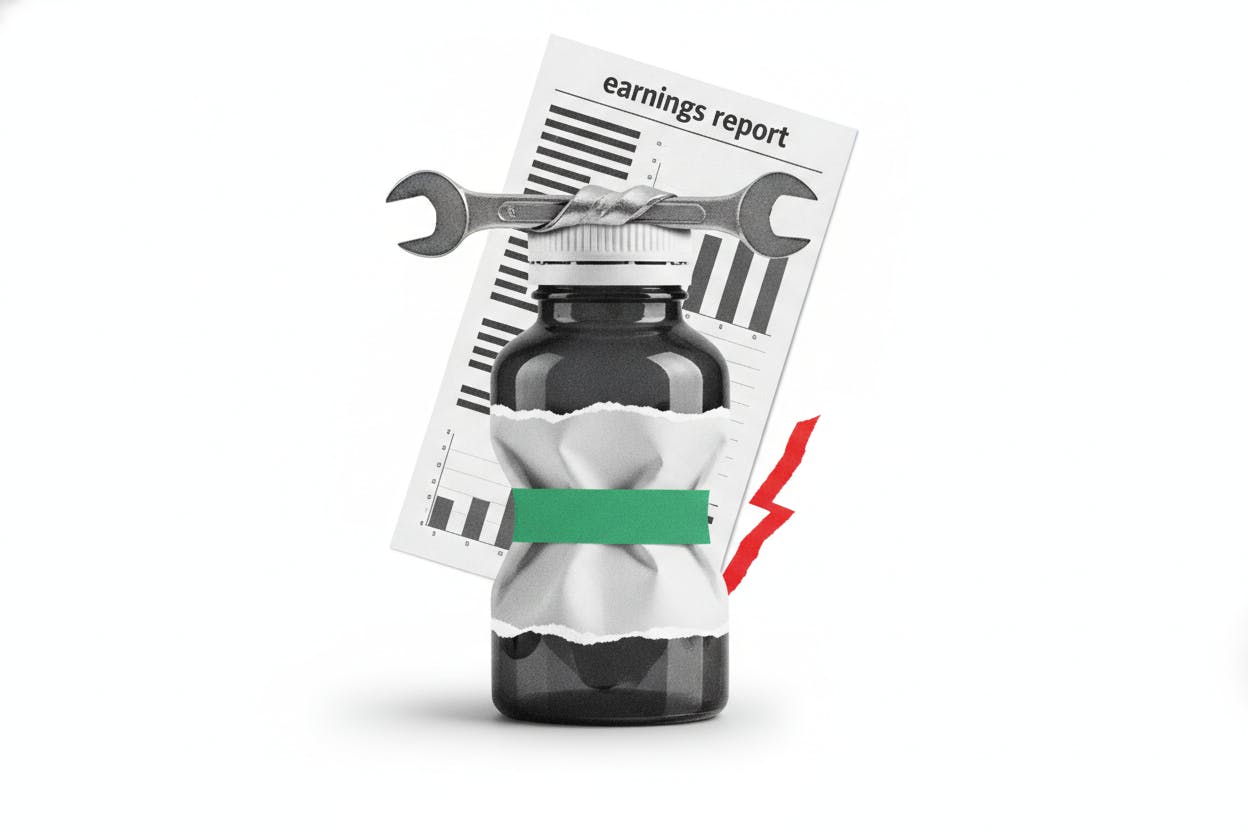
Pfizer delivered a second-quarter earnings beat on Tuesday, driven by robust demand for its blood thinner Eliquis and cancer drug Padcev. But the headline numbers were only part of the story: the company also expanded its cost-cutting program by an additional $2.5 billion, bringing its total savings target to roughly $7.5 billion by the end of 2027. Investors, however, are looking beyond the immediate results to two bigger questions: Can Pfizer crack the booming obesity-drug market, and who will become its next chief financial officer?
What drove the beat?
The New York-based drugmaker said second-quarter revenue came in above Wall Street expectations, helped by a 21% jump in Eliquis sales to $2.43 billion. Eliquis, which Pfizer co-markets with Bristol Myers Squibb, is used to prevent blood clots and strokes in patients with atrial fibrillation. Padcev, an antibody-drug conjugate for bladder cancer, climbed 23% to $667 million. Both drugs have become key growth pillars as Pfizer's COVID-19 vaccine and antiviral Paxlovid sales have fallen sharply from their pandemic peaks.
That strength helped offset weaker COVID product sales and allowed Pfizer to raise its full-year revenue guidance to a range of $60.5 billion to $62.5 billion, up from its previous forecast. The company also reiterated its adjusted earnings per share outlook, which it had already lifted earlier in the year.
Cost cuts: a familiar playbook
The additional $2.5 billion in cost reductions is part of a broader restructuring that Pfizer began in late 2023, when it first announced a $4 billion cost-cutting program. The company later expanded that to $5 billion, and now it's adding another $2.5 billion. The goal is to streamline operations and protect margins as the COVID windfall fades and Pfizer invests in new growth areas.
Cost-cutting programs like this are common among large pharmaceutical companies after a period of heavy spending. Pfizer has been trimming its workforce, consolidating manufacturing, and reducing overhead. For investors, the expanded plan signals management's commitment to maintaining profitability even as revenue growth slows. Similar moves have been seen across the industry, as companies like Synthomer have also lifted profit outlooks through cost reductions.
The obesity-drug race
While the earnings beat was welcome, much of the investor attention is on Pfizer's push into obesity treatments. The market for weight-loss drugs has exploded, led by Novo Nordisk's Wegovy and Eli Lilly's Zepbound. Pfizer has been trying to develop its own oral GLP-1 drug, but earlier attempts failed due to safety concerns. The company is now testing a new once-daily pill, danuglipron, and expects to have data from a mid-stage trial later this year.
Success in this area could be transformative for Pfizer, which has seen its market value shrink since the pandemic. But the competition is fierce, and analysts caution that the bar for efficacy and safety is high. For now, investors are watching for any updates on the drug's progress, as well as potential partnerships or acquisitions that could bolster Pfizer's position.
CFO search adds uncertainty
Adding to the mix, Pfizer is searching for a new chief financial officer. The current CFO, David Denton, announced in May that he would step down to become CFO at CVS Health. The company has said it is considering both internal and external candidates. A CFO transition can be a period of uncertainty, but Pfizer's strong quarter and clear cost-cutting plan may help reassure investors that the company is on solid financial footing.
What it means for investors
For everyday investors, Pfizer's results offer a mixed picture. On one hand, the company is showing that its non-COVID portfolio can deliver growth. Eliquis and Padcev are performing well, and the raised guidance suggests management is confident about the rest of the year. On the other hand, the reliance on cost cuts to boost profits is a sign that top-line growth is still a challenge.
The obesity-drug opportunity is the big wild card. If Pfizer can bring a competitive product to market, it could reignite growth and boost the stock. But that's a high-risk, high-reward scenario, and investors should be prepared for volatility as trial results come in.
In the meantime, Pfizer's dividend—currently yielding around 5.5%—remains a draw for income-focused investors. The company has maintained its payout even through the post-COVID slump, and the expanded cost cuts could help protect it.
As always, it's important to remember that individual stocks carry risk. Pfizer's story is one of transition: from pandemic winner to a more diversified drugmaker. How well it navigates that transition will determine whether the stock can regain its former luster.