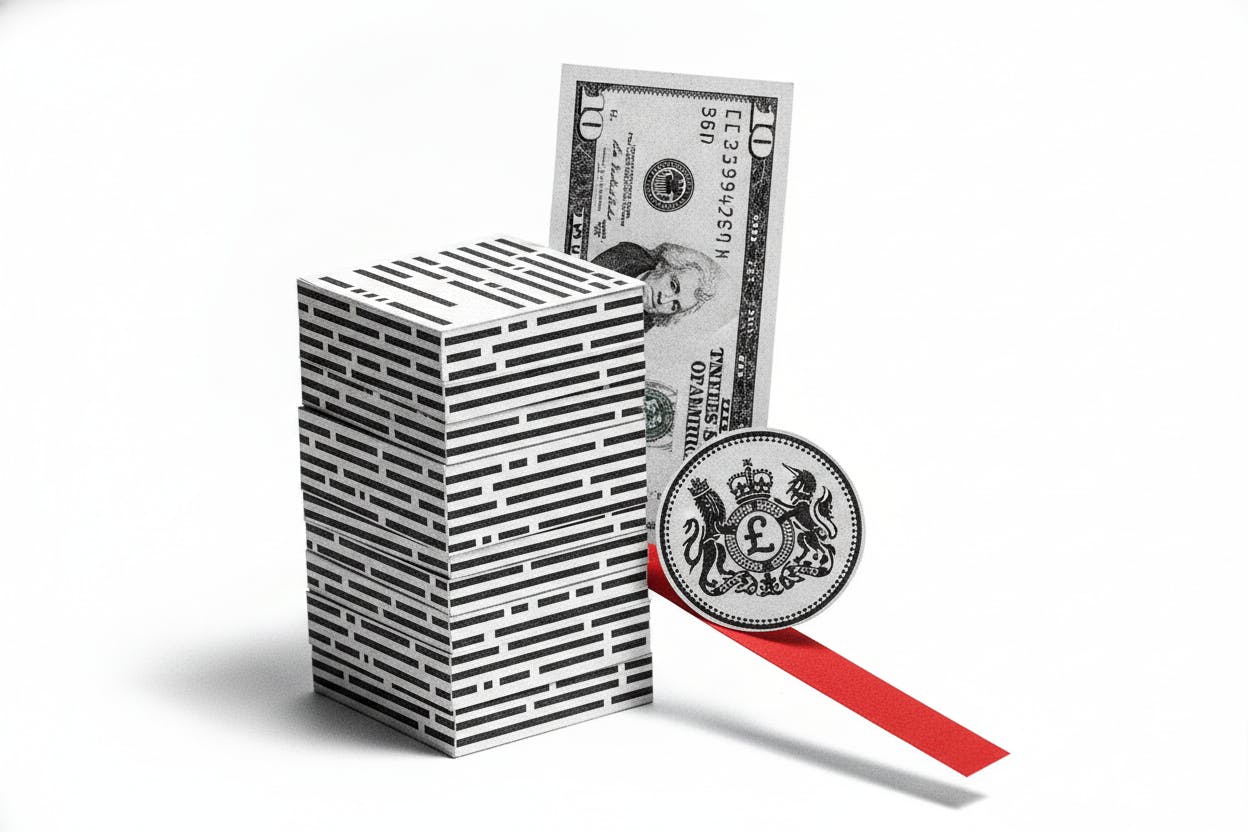
The British pound slipped to $1.3338 on Tuesday, retreating from recent gains as the US dollar steadied and investors dialed back expectations for further Bank of England interest rate hikes. The move marks a pause in sterling's rally, which had been supported by a weaker dollar after softer US jobs data.
Against the euro, the pound held steadier, suggesting the latest decline was driven more by US dollar dynamics and UK-specific factors than broad weakness in the British currency. The euro-sterling cross remained relatively calm, even as cable—the term for GBP/USD—took a hit.
What's Behind the Pound's Pullback?
The dollar's rebound follows a period of weakness triggered by a softer-than-expected US jobs report. That report led traders to trim their expectations for near-term Federal Reserve rate hikes, which initially knocked the greenback. But as that move faded, sterling lost an easy tailwind, and the dollar found its footing again.
In the UK, lower oil prices have eased some inflation pressure, which has led markets to lean toward fewer BoE rate hikes. Even after Governor Andrew Bailey said officials aren't ready to talk about cuts, the market's pricing for future rate increases has moderated. However, inflation expectations remain sticky, keeping UK rate pricing, bond yields, and the currency sensitive to each new data point.
This dynamic is similar to what other currencies have experienced recently. For example, the South African rand slipped as Fed rate hike bets faded and oil eased, showing how global factors like oil prices and US monetary policy can ripple across emerging and developed markets alike.
Political Uncertainty Adds to the Mix
Layered on top of the economic backdrop is UK politics. Markets are watching closely as Andy Burnham, the mayor of Greater Manchester and a prominent Labour figure, considers who to pick as his finance minister. Prediction market Polymarket now assigns a 55% chance that former energy minister Ed Miliband takes the role.
When investors start putting real probability on a more spend-friendly finance minister, the first prices to move are often UK government bonds, known as gilts. Markets bake in expectations for future deficits and debt issuance. If buyers demand extra compensation for that uncertainty, yields can rise even before any budget is written. That's exactly what happened: gilt yields moved from 4.676% on June 24 back toward 4.79%.
Sterling then gets dragged along because many global investors treat gilts and the pound as a package through cross-border flows and rate differences. But if higher yields reflect a “fiscal risk premium” rather than stronger growth, they can coincide with a weaker currency. That’s why GBP/USD can become unusually headline-sensitive to UK political appointments, even when euro-sterling looks calmer.
This political uncertainty is also playing out in other markets. For instance, emerging market stocks paused as a stronger dollar pressured currencies ahead of earnings, highlighting how dollar strength can weigh on risk assets globally.
What It Means for Investors
For everyday investors, the pound's movement is a reminder that currency markets are influenced by a complex mix of central bank policy, economic data, and political developments. The Bank of England's next moves will be crucial: if inflation proves stubborn, the BoE may need to hike rates further, which could support sterling. But if the economy weakens, rate cuts could be on the horizon, putting pressure on the pound.
Political appointments add another layer of uncertainty. A finance minister perceived as more spend-friendly could lead to higher gilt yields and a weaker pound, as markets price in larger deficits. Conversely, a more fiscally conservative pick could calm nerves and support sterling.
Investors should also keep an eye on the dollar. If US economic data continues to soften, the Fed may pause its rate hiking cycle, which could weaken the dollar and give sterling a boost. But if the US economy remains resilient, the dollar could strengthen further, putting pressure on the pound and other currencies.
For those with international investments or travel plans, these currency swings can have real impacts. A weaker pound means foreign goods and holidays become more expensive, while UK exporters may benefit from a more competitive exchange rate.
As always, the key is to stay informed and understand the factors driving currency movements. The pound's path will depend on a delicate balance of BoE policy, UK politics, and global dollar dynamics.