Italy's Prysmian, the world's largest cablemaker, has agreed to acquire US electrical products firm Atkore for $3.8 billion in cash. The deal is a clear bet that North America's push to electrify everything—from data centers to public transport—will keep demand for electrical infrastructure strong for years to come.
Prysmian will pay $95 per Atkore share, a roughly 30% premium to the stock's last closing price before the announcement. The company says it will fund the purchase with a mix of debt and equity while maintaining its investment-grade credit rating.
Why Prysmian wants Atkore
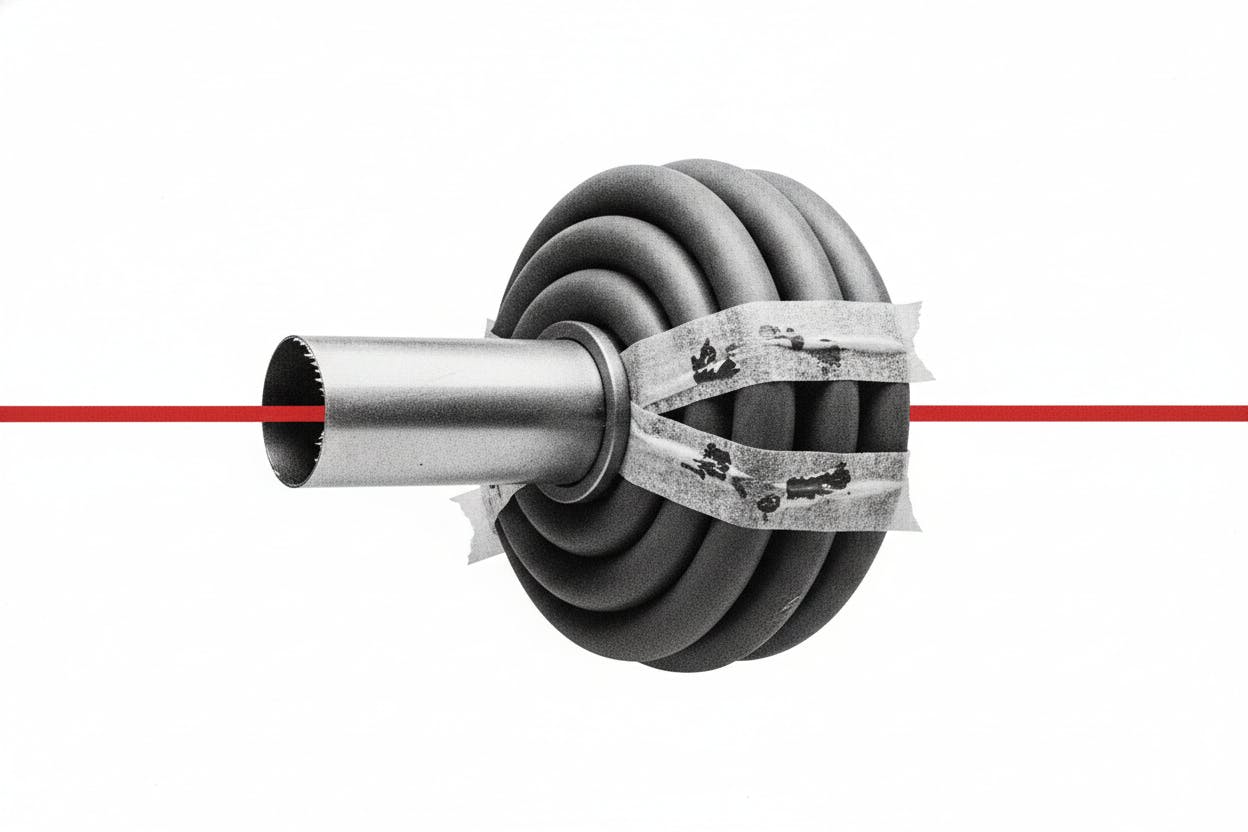
Atkore makes electrical products like conduit (the metal or plastic tubing that protects electrical wires) and cable-management systems. These are the behind-the-scenes components that keep power flowing safely in buildings, factories, and infrastructure projects.
Prysmian's core business is manufacturing the cables themselves—the thick power lines that carry electricity from generation sources to homes and businesses. By adding Atkore's products, Prysmian can offer customers a more complete package: both the cable and the protective systems that house it.
That bundled approach is particularly appealing to two types of customers: data centers and utilities. Data centers, which power cloud computing and artificial intelligence, need enormous amounts of electricity and the infrastructure to distribute it. Utilities are upgrading aging grids and connecting new renewable energy sources, which also requires extensive cabling and conduit.
The deal follows a broader trend in the electrical industry. Competitors like Nexans have also raised profit targets on the back of North American electrification demand, as Nexans' recent outlook shows. Prysmian itself recently lifted its profit forecast, citing strong data center demand for its cables, as reported earlier.
What it means for investors
For Atkore shareholders, the deal offers a quick 30% gain, which is why the stock jumped on the news. But for Prysmian investors, the question is whether the premium price will pay off.
Prysmian is betting that the electrification boom is not a short-term fad. Governments in the US and elsewhere are pouring money into grid upgrades, electric vehicle charging networks, and renewable energy projects. Data center construction shows no signs of slowing, especially as artificial intelligence drives demand for computing power.
However, the deal also carries risks. Prysmian is taking on debt to finance the purchase, and if the expected synergies—cost savings or revenue boosts from combining the two businesses—don't materialize, the acquisition could weigh on returns. The company's commitment to keeping its investment-grade rating means it will need to manage its balance sheet carefully.
For everyday investors, this deal is a reminder that the electrification theme is not just about flashy tech stocks. Companies that make the nuts-and-bolts components of the power grid are also positioned to benefit. But as with any acquisition, there's no guarantee the buyer will create value from the deal.
Looking ahead
Investors will be watching a few things in the coming months. First, whether regulators approve the deal—large acquisitions often face antitrust scrutiny. Second, how Prysmian finances the purchase and whether it can maintain its credit rating. Third, whether the company delivers on its promised synergies.
The deal also highlights the growing importance of North America as a market for electrical equipment makers. With the US pushing for domestic manufacturing and infrastructure spending, companies that can supply the components for electrification are likely to see sustained demand.
For now, Prysmian's move is a bold statement: the company believes the electrification wave is big enough to justify a $3.8 billion bet. Whether that bet pays off will depend on how quickly the world actually builds out its electrical infrastructure—and how well Prysmian integrates Atkore into its operations.