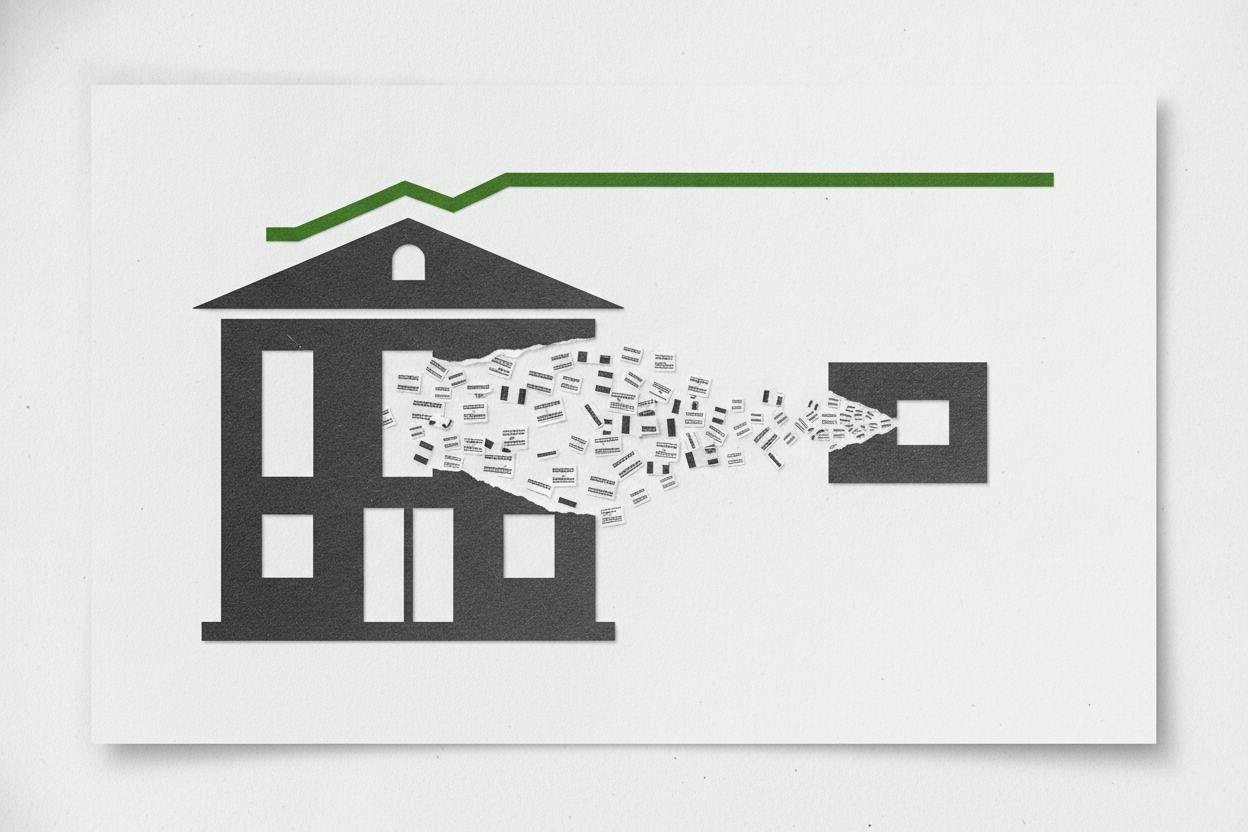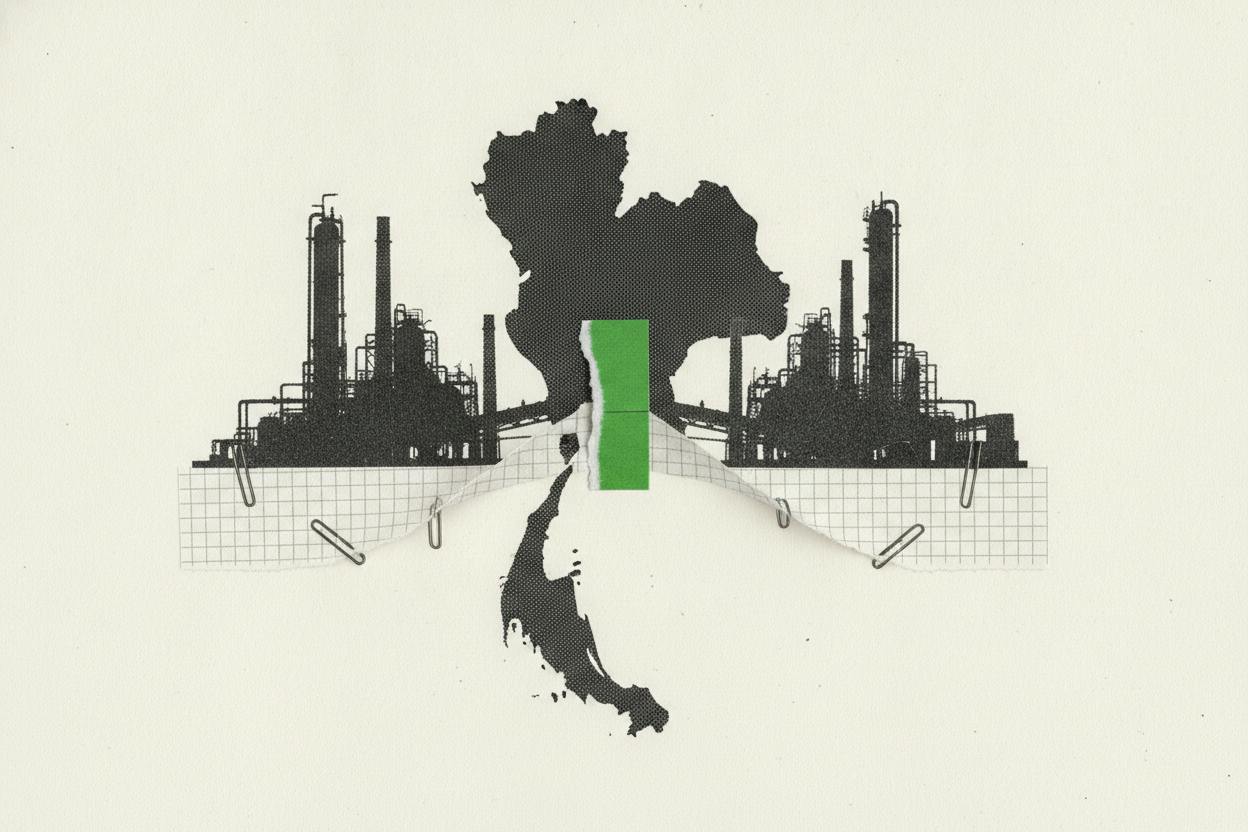
Two of Thailand's biggest petrochemical players are joining forces. PTT Global Chemical (PTTGC) and SCG Chemicals (SCGC) have agreed on key terms to merge their olefins and polyolefins businesses in Thailand into a single joint venture. Under the proposed structure, PTTGC would own 56% of the combined entity, with SCGC holding the rest.
The companies said in filings to the Stock Exchange of Thailand that the tie-up could generate 5.1 billion to 6.8 billion baht a year in synergies. That's the savings and extra revenue the two expect from combining operations, cutting overlap, and streamlining production.
What the deal involves
To understand the merger, it helps to know how the petrochemical industry is structured. The sector splits into "upstream" and "downstream" activities. Upstream means making the basic building-block chemicals, such as olefins, from raw materials like naphtha or natural gas. Downstream means taking those chemicals and turning them into higher-value products, such as polyolefins—the plastics used in everything from packaging to car parts.
PTTGC's strength is largely upstream: it secures feedstock and produces the foundational chemicals. SCGC brings downstream manufacturing muscle, with plants that convert those inputs into finished plastic resins. By linking the two, the joint venture aims to create one integrated platform that controls more of the chain, from raw material to final product.
This kind of vertical integration is common in petrochemicals. It can reduce exposure to price swings in raw materials, improve efficiency, and give the combined company more bargaining power with suppliers and customers.
Why the companies are merging
The petrochemical industry has been under pressure globally. Demand for plastics has softened in key markets, and new production capacity—especially from China and the Middle East—has pushed down prices for many basic chemicals. That squeeze has hit margins for producers like PTTGC and SCGC.
Consolidation is one way to respond. By merging, the two companies can cut duplicated costs, share technology, and potentially close or optimize less efficient plants. The projected synergies of 5.1-6.8 billion baht a year are a significant chunk of their combined earnings, though the exact figure will depend on how smoothly the integration goes.
The deal also fits a broader trend in the region. Thai companies have been looking for ways to stay competitive as global trade shifts and energy costs fluctuate. This merger is one of the larger moves in Southeast Asia's petrochemical sector in recent years.
What it means for investors
For shareholders of PTTGC and SCGC, the deal is a bet that bigger is better. If the synergies materialize, the combined entity could be more profitable than the two companies would be on their own. But mergers of this scale carry execution risk. Combining two large, complex businesses takes time, and the promised savings often take years to show up in the bottom line.
Investors should also watch how the joint venture is governed. PTTGC's 56% stake gives it control, but SCGC will still have a significant say. Disagreements over strategy or management could slow the integration.
The deal is still subject to regulatory approvals and final agreements. The companies have only settled on key terms, not a final contract. That means there's a chance the merger could be renegotiated or fall apart, as sometimes happens in large corporate tie-ups.
For everyday investors, the main takeaway is that this is a long-term structural move, not a quick fix. The benefits, if any, will unfold over several years. It's also a reminder that the petrochemical industry is cyclical—profits rise and fall with global supply and demand. A merger can help a company weather downturns, but it doesn't eliminate the cycle.
Thailand's central bank has been keeping interest rates low to support the economy, which can help companies finance big projects. But this deal is primarily about operational efficiency, not financing.
As with any merger, the details matter. Investors should look for updates on regulatory approvals, the final ownership structure, and any changes to the synergy estimates. The companies have not yet set a timeline for completing the deal.
In the meantime, the announcement is a signal that Thailand's petrochemical industry is consolidating. Other players in the region may feel pressure to follow suit, which could lead to more deals in the sector.