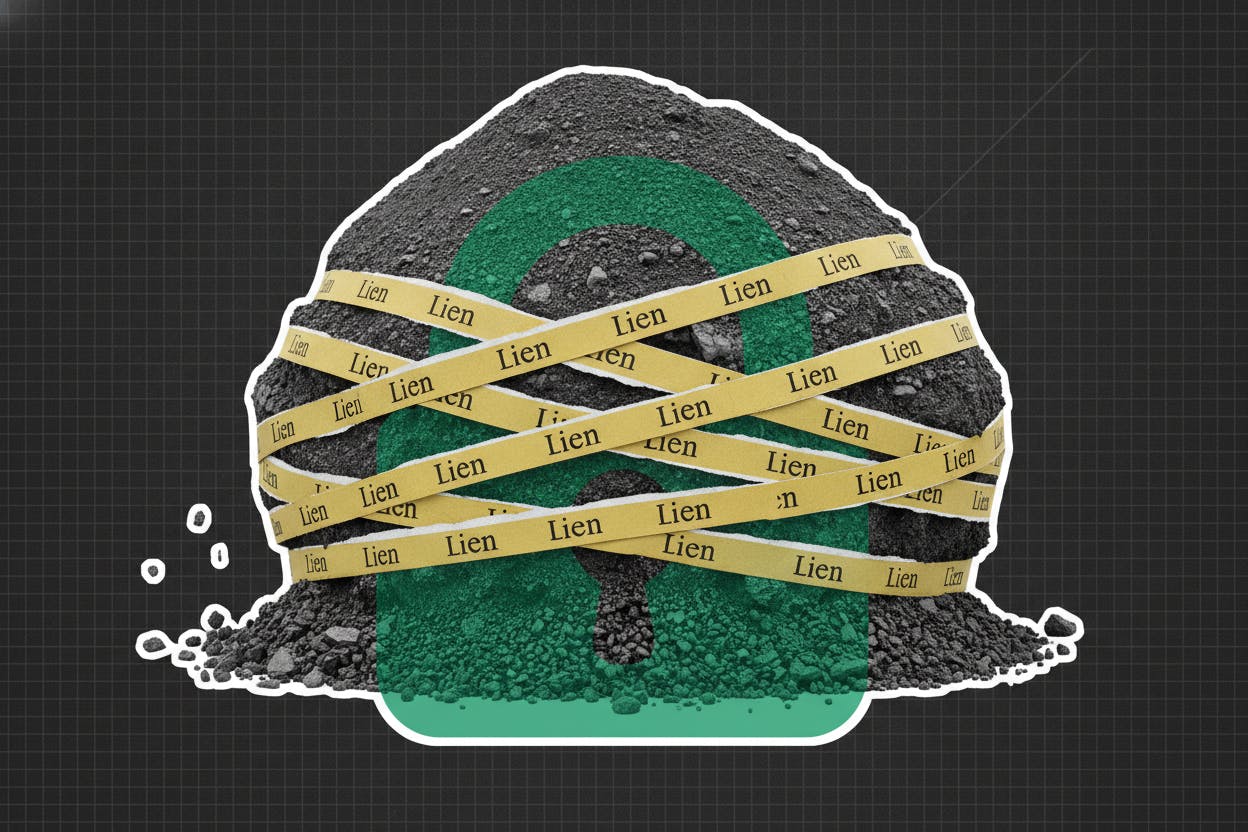
The financial pressure on iron-ore trader Radiant World is intensifying, with the number of secured creditors claiming against its Singapore entity more than doubling since the start of 2025. According to a Reuters review of Singapore filings, the count of secured creditors with registered charges rose from 10 before the new year to 21 in the months since.
Secured creditors are lenders or counterparties that hold a legal claim over specific assets—such as inventories, receivables, or other collateral—giving them priority if a borrower defaults. The increase in registered charges means more parties are lining up to stake a claim on the same pool of assets, a classic sign of growing unease about a company's financial health.
What's behind the rush for collateral?
In commodity trading, trade finance is the lifeblood of the business. It's the short-term borrowing that pays for cargoes while they're in transit, and lenders typically demand collateral to protect their money. Inventories of iron ore sitting in warehouses or receivables from buyers are common forms of security.
The jump in secured claims suggests that lenders are becoming more cautious about Radiant World's ability to repay. While the filings don't reveal the size of the facilities or whether they've been drawn down, the sheer number of creditors seeking protection points to a defensive posture.
This defensive move comes amid broader concerns about the company's exposure. Earlier reports indicated that Glencore's exposure to Radiant World could top $500 million, highlighting the scale of potential losses if the trader fails. The situation has drawn attention across the commodity trading world, where trust and creditworthiness are paramount.
Why this matters for investors
For everyday investors, the story of Radiant World is a reminder of the risks embedded in global commodity markets. Iron ore is a key ingredient in steelmaking, and its price swings can ripple through the economy. But the immediate concern here is about credit risk—the chance that a borrower can't repay its debts.
When a trader like Radiant World faces a pile-up of creditor claims, it can signal trouble ahead. If the company can't meet its obligations, it could lead to defaults, which might affect banks, other traders, and even mining companies that rely on intermediaries to sell their product.
For investors holding shares in companies with exposure to Radiant World—such as Glencore—the news is a potential red flag. However, it's important to note that the filings don't confirm any actual default or insolvency. The increase in secured claims is a warning sign, not a verdict.
What to watch next
The key question is whether Radiant World can navigate this period of heightened scrutiny. Investors will be watching for any signs of distress, such as missed payments, restructuring, or legal action. The company's ability to secure new financing or reassure existing lenders will be critical.
In the broader market, this episode underscores the fragility of trade finance in commodity trading. When confidence erodes, lenders tighten terms, which can squeeze even healthy traders. The situation also highlights the interconnectedness of the industry—one trader's problems can quickly become another's.
For now, the increase in creditor claims is a development worth monitoring, but not necessarily a cause for panic. As with any investment, diversification and a long-term perspective remain key. The coming weeks will reveal whether Radiant World can steady the ship or whether the claims are the first sign of a deeper crisis.