Gold miner Ramelius Resources saw its production costs jump sharply in the September quarter, but analysts at RBC Capital Markets are brushing off the increase as a temporary weather-related blip rather than a sign of deeper problems.
RBC said Ramelius's all-in sustaining costs (AISC) for the quarter came in at AU$2,656 per ounce, above both market expectations and the company's own fiscal 2027 cost guidance. The bank attributed the overshoot to weather that disrupted haulage from the Penny mine in September, leaving the company unable to move ore as efficiently as planned.
What is all-in sustaining cost?
For everyday investors, AISC is a key metric in the gold mining industry. It attempts to capture the full ongoing cost of producing an ounce of gold, including operating expenses, sustaining capital (the money needed to keep the mine running), and other costs like royalties and mine-site overheads. It is a more comprehensive measure than simple cash costs because it includes the spending required to maintain production levels over time.
When AISC rises, it eats into the margin between the cost of production and the gold price. With gold prices having been elevated in recent months, a higher cost base still leaves room for profit, but it reduces the amount of cash the company generates per ounce sold.
Why the jump happened
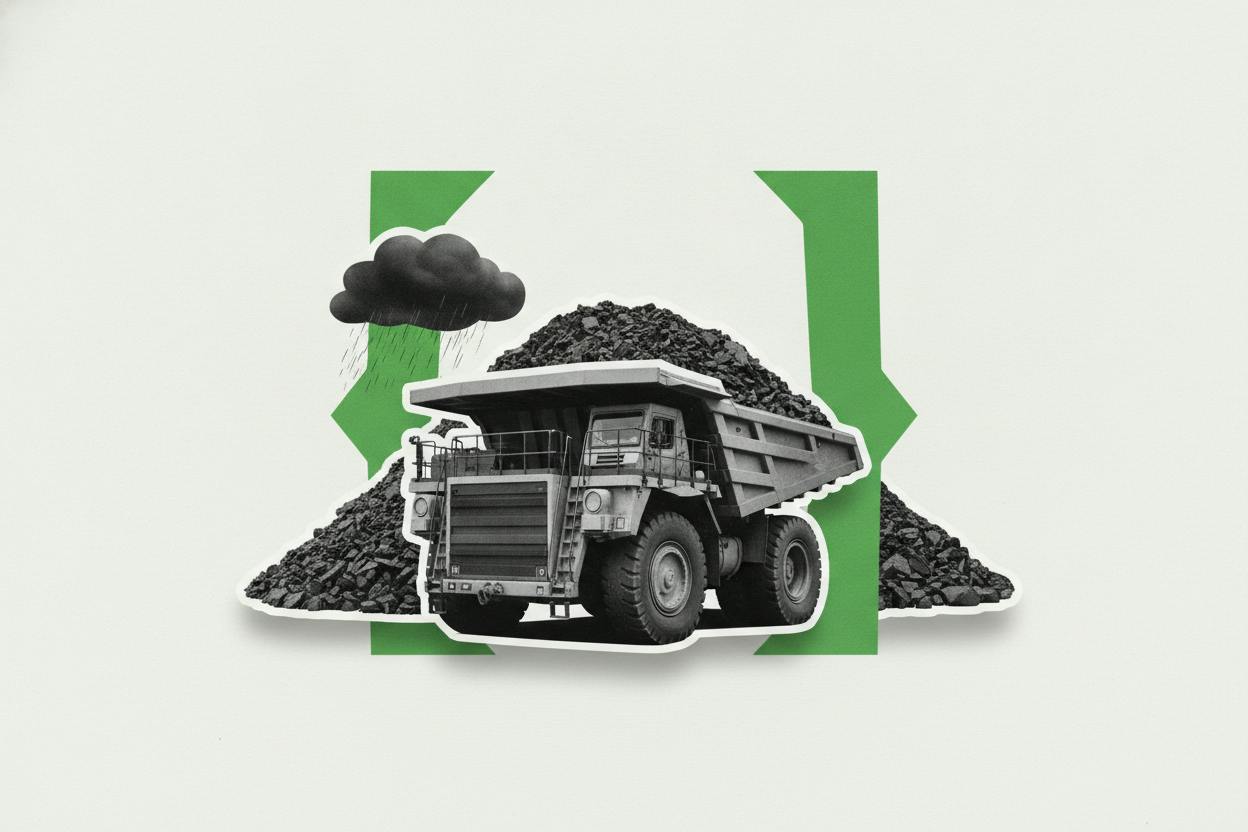
RBC's note points to weather as the main culprit. In September, haulage from the Penny mine was halted, which would have forced Ramelius to either stockpile ore or find alternative—likely more expensive—ways to move it. Such disruptions are common in mining, especially in regions prone to heavy rain or storms, and they often cause temporary cost spikes that reverse once operations return to normal.
The fact that RBC still expects the company's fiscal 2027 guidance to hold suggests the bank views the September quarter as an outlier. Mining companies typically set annual guidance based on expected operating conditions, and a single quarter of weather-related disruption is not usually enough to derail a full-year plan—unless the problem persists.
What it means for investors
For shareholders, the key question is whether this cost spike is a one-off or the start of a trend. RBC's stance implies the former, which is reassuring. If the market had interpreted the cost jump as a structural issue, the stock could have come under pressure. Instead, the bank's confidence in the fiscal 2027 guidance suggests the underlying operations remain on track.
Investors should also consider the broader gold price environment. When gold prices are strong, miners can absorb higher costs more easily. The recent rally in gold has been driven by factors like central bank buying, geopolitical uncertainty, and expectations of lower interest rates. If those trends continue, Ramelius's higher costs may not hurt its profitability as much as they would in a weaker gold market.
However, cost inflation is a persistent challenge for the mining sector. Labour, fuel, and equipment costs have been rising across the industry, and weather disruptions are becoming more frequent in some regions. Companies that can manage these pressures effectively are better positioned to deliver on their guidance.
Looking ahead
Ramelius's next quarterly report will be closely watched to see if costs return to more normal levels. If the weather disruption was truly temporary, the December quarter should show a significant improvement. If costs remain elevated, investors may start to question the sustainability of the fiscal 2027 targets.
RBC's analysis provides some comfort, but it is just one view. Other analysts and investors may take a more cautious stance, especially if they believe the weather issues could recur or if other cost pressures emerge.
For now, the market seems to be giving Ramelius the benefit of the doubt. The company's gold production profile and the strength of the gold price are likely to remain the main drivers of its share price, with cost fluctuations playing a secondary role.
As with any mining stock, investors should weigh the potential rewards against the risks, including operational disruptions, commodity price volatility, and cost inflation. Diversification across different miners or sectors can help mitigate some of these risks.
In the meantime, the focus will be on whether Ramelius can deliver on its promises. The September quarter was a hiccup, but the bigger picture—fiscal 2027 guidance intact—is what RBC is emphasising. Whether that confidence is justified will become clearer in the coming quarters.