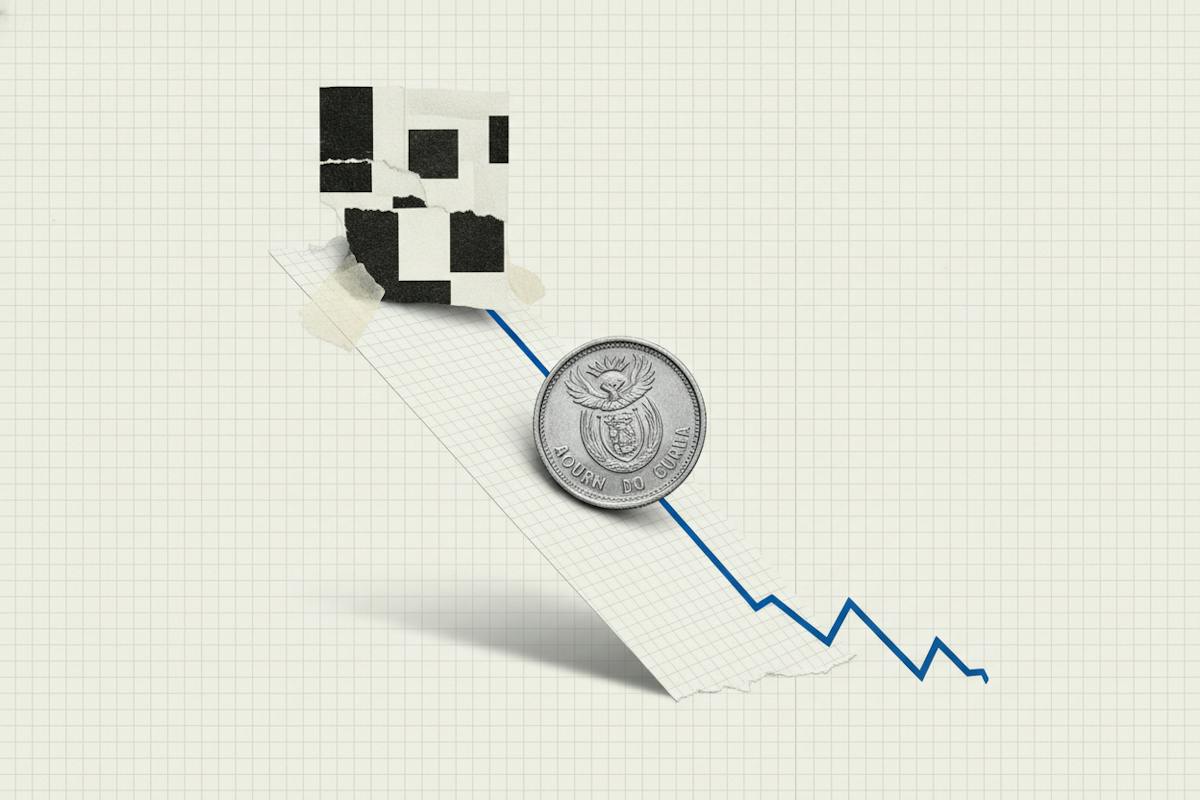
South Africa's rand weakened about 0.8% on Tuesday, sliding to around 17.54 per US dollar, as investors turned cautious ahead of a key US inflation report and weighed softer signals from the domestic economy.
The move came even as the dollar index slipped about 0.5%, underscoring how the rand—a currency highly sensitive to global risk sentiment—can be driven more by expectations for US interest rates than by the greenback's day-to-day direction.
Why the rand is watching US inflation
The focus is squarely on Wednesday's release of the US Personal Consumption Expenditures (PCE) price index, the Federal Reserve's preferred inflation measure. It is the last major inflation print before the Fed's final policy meeting of the year, and traders are using it to gauge how aggressively the central bank will act.
Derivatives markets are fully pricing in a quarter-point rate hike at that meeting, with a small chance of a larger move. That expectation has been a key driver for emerging-market currencies like the rand, which tend to suffer when US rates rise because higher yields make dollar-denominated assets more attractive and can pull capital away from riskier markets.
The rand's decline also comes as investors digest a weaker leading indicator at home, suggesting the South African economy may be losing momentum. A softer local outlook can compound pressure on the currency, especially when global conditions are already tightening.
What a Fed hike means for South Africa
For ordinary South African investors, a US rate hike has ripple effects beyond the currency. A weaker rand makes imported goods more expensive, which can feed into domestic inflation. That, in turn, could influence the South African Reserve Bank's own policy decisions, potentially keeping local interest rates higher for longer.
It also affects anyone with exposure to global markets. A stronger dollar can dent returns on overseas investments when converted back to rand, and it can weigh on commodity prices, which are a major export for South Africa.
The rand is often seen as a barometer of risk appetite in emerging markets. When global investors are nervous, they tend to sell riskier assets, and the rand frequently bears the brunt. Tuesday's move, despite a softer dollar, highlights that dynamic.
What investors should watch next
The immediate catalyst is the PCE report. If inflation comes in hotter than expected, it could reinforce the case for a more aggressive Fed, potentially pushing the rand lower. A cooler reading might ease some pressure and give the currency room to recover.
Beyond that, traders will be watching the Fed's meeting for signals about the pace of future hikes. The central bank has been trying to balance fighting inflation with avoiding a sharp economic slowdown, and its tone will be crucial for emerging-market currencies.
For South African investors, the key is to understand that currency moves are part of a broader global picture. US monetary policy, commodity prices, and domestic economic data all interact to shape the rand's path. Staying informed about these factors can help you make sense of market swings, even if you don't trade currencies directly.
As the market awaits the PCE data, similar caution is visible elsewhere. The dollar slipped as traders braced for a busy week of US data, and Saudi stocks edged up as investors positioned for the same report. The global focus on US inflation is a reminder of how interconnected financial markets have become.
For now, the rand's fate rests largely on what the PCE numbers show. Until then, expect volatility—and keep an eye on how the Fed responds.