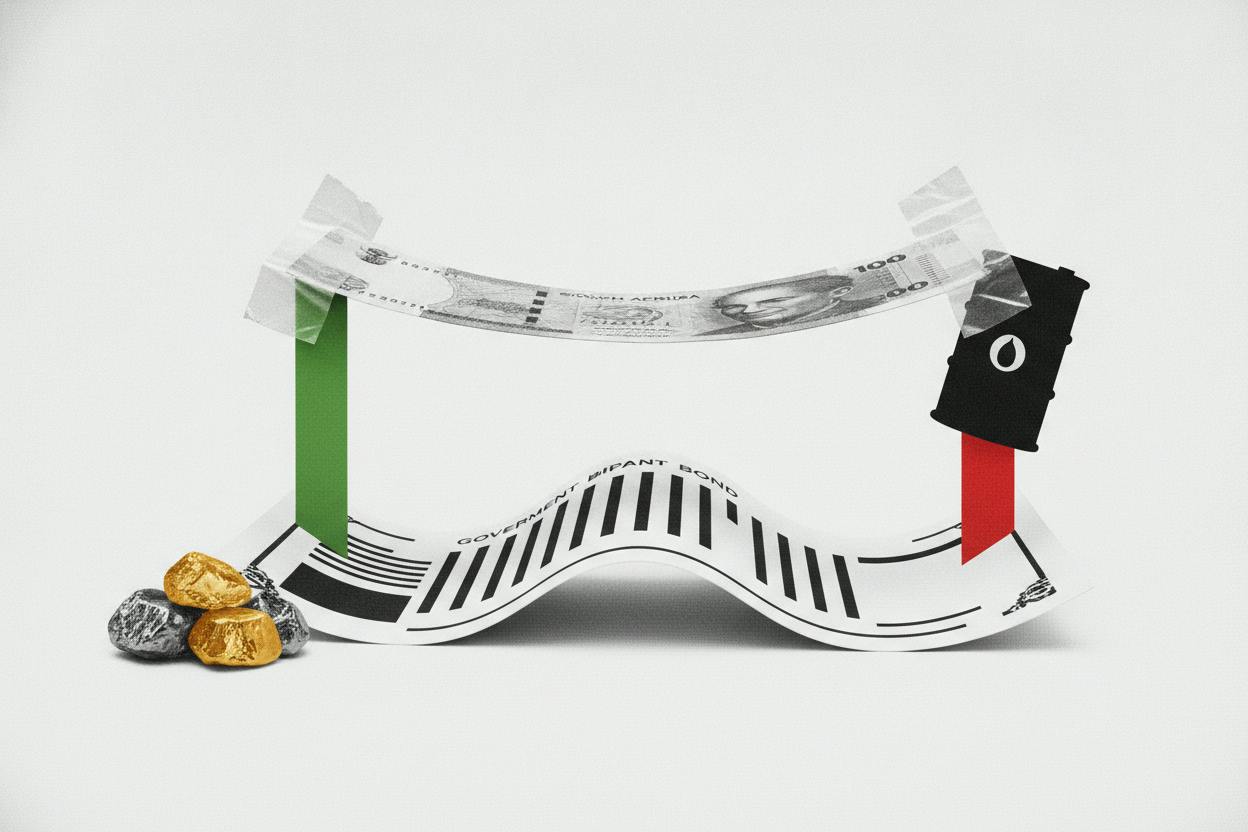
South Africa's rand held its ground on Friday, as a dip in oil prices and gains in gold and platinum helped offset the cautious mood ahead of next week's key economic events. Traders are now looking to the release of October inflation figures and the South African Reserve Bank's (SARB) interest-rate decision, both due in the coming days.
The currency's steadiness reflects a delicate balance of forces. On one hand, cheaper oil tends to support the rand because South Africa is a net importer of fuel, meaning a lower oil bill reduces the amount of foreign currency the country needs to spend abroad. On the other hand, higher prices for gold and platinum—two of South Africa's biggest exports—boost the flow of dollars and other foreign currencies into the economy, which typically underpins the rand.
Why the rand's stability matters
For everyday South Africans, the rand's value is more than just a number on a screen. A stable currency helps keep imported goods—from electronics to food—affordable, and it can also influence the central bank's decisions on interest rates. When the rand weakens sharply, it can push up inflation by making imports more expensive, which sometimes prompts the SARB to raise rates to protect the currency. Conversely, a steadier rand gives policymakers more room to focus on supporting economic growth.
The upcoming inflation data will be closely watched. If October's consumer price index comes in lower than expected, it could give the SARB more flexibility to hold rates steady or even consider cuts in the future. If inflation surprises to the upside, the central bank might feel pressure to keep policy tight. Either way, the rand's reaction will hinge on how the numbers compare with forecasts.
Gold and platinum have been firm recently, helped by global demand and, in the case of gold, its status as a safe-haven asset during times of uncertainty. South Africa is home to some of the world's deepest and richest mines for these metals, so their prices have an outsized impact on the country's export earnings and, by extension, its currency. A sustained rally in precious metals could provide a cushion for the rand even if domestic data disappoints.
What to watch next
Investors will be scanning the inflation report for signs of whether price pressures are easing. South Africa's inflation rate has been within the central bank's target range of 3% to 6% for some time, but the path ahead remains uncertain. Global oil prices, which have been volatile, are a key factor. If oil stays low, that could help keep inflation in check and support the rand.
The SARB's rate decision will be the main event. The bank has kept its benchmark rate steady for several meetings, and most analysts expect no change this time. But the tone of the accompanying statement will be scrutinised for hints about future moves. A dovish tilt could weigh on the rand, while a hawkish stance might lend it support.
For investors with exposure to South African assets, the next few days could set the tone for the rest of the year. A stable rand and a patient central bank would be a favourable backdrop for local bonds and equities. However, any surprises in the inflation data or a shift in the SARB's language could quickly change the picture.
Broader market context
The rand's resilience is part of a wider story in emerging markets, where currencies have been buffeted by global interest-rate expectations and commodity price swings. South Africa's fortunes are closely tied to the health of the global economy, particularly demand from China, a major buyer of its minerals. Recent data from Asia has been mixed, and any slowdown could weigh on commodity prices and, in turn, the rand.
Meanwhile, oil markets have been in focus, with prices easing on concerns about oversupply and softer demand. For South Africa, that is a welcome development, as it reduces the cost of fuel imports and helps narrow the current account deficit. But the relief could be temporary if geopolitical tensions or production cuts push prices back up.
Gold and platinum have also been influenced by global trends. Gold often rises when investors seek safety, while platinum is used in auto catalysts and industrial applications, so its price reflects expectations for manufacturing activity. Both metals have been firm, providing a steady stream of export revenue for South Africa.
What it means for investors
For individual investors, the rand's stability is a double-edged sword. A steady currency reduces uncertainty for those holding South African assets, but it also means that any sharp move in the data or the SARB's decision could trigger volatility. Diversification remains key, as currency swings can quickly erode returns for those with all their money in one market.
Investors should also keep an eye on how the rand's moves affect their portfolios. If you own shares in South African companies that earn revenue in dollars—such as miners or exporters—a weaker rand can actually boost their earnings when converted back to local currency. Conversely, companies that rely heavily on imports may suffer. Understanding these dynamics can help you make more informed decisions.
Ultimately, the rand's fate rests on a combination of domestic policy and global forces. Next week's inflation data and the SARB's decision will provide the next clues. Until then, the currency's calm may be the calm before the storm—or a sign that South Africa's economy is finding its footing.