RBC Capital Markets has raised its price target on Amundi, Europe's largest asset manager, to €85 from €78, following a record quarter that saw the firm pull in €56.4 billion in net inflows during the first half of the year. The new target implies a modest upside from recent trading levels and signals that the investment bank sees further room for the stock to climb.
Amundi, which is majority-owned by French bank Crédit Agricole, manages trillions of euros in assets for institutional clients, retail investors, and corporate pension funds. Its second-quarter adjusted net revenue came in at €933 million, a figure that reflects the fees it earns from managing those assets.
Why inflows matter
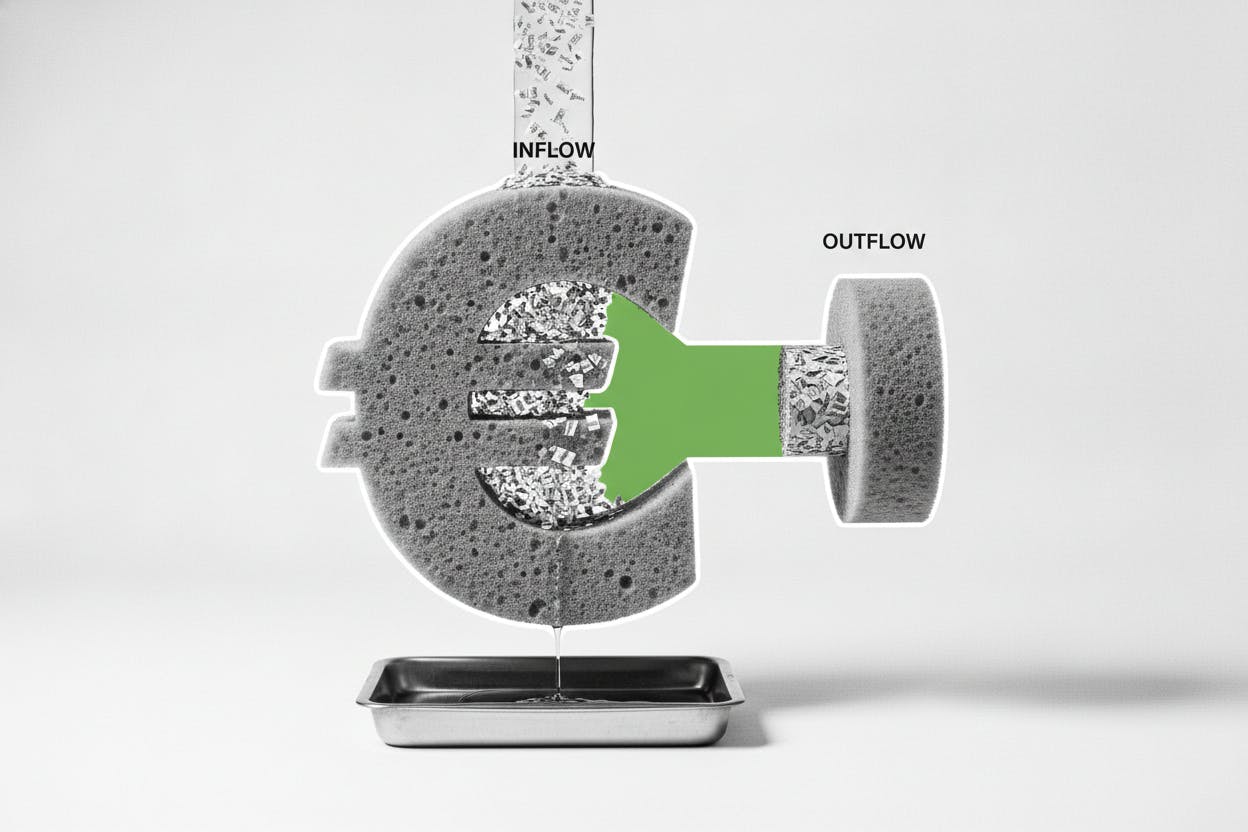
For an asset manager, net inflows are the lifeblood of growth. They represent new money coming in from clients, minus money that leaves. When inflows are strong, the pool of assets under management (AUM) grows, which in turn boosts the fees the firm can charge. That's why the market pays close attention to these numbers.
But not all inflows are created equal. An asset manager's revenue is essentially its AUM multiplied by the average fee it charges. Higher-fee products, like active equity funds or private assets, generate more revenue per euro than lower-fee products, such as money market funds or passive index trackers. So a surge in inflows into low-margin products might not move the needle as much as a smaller but more profitable stream of new business.
Amundi's record first-half inflows suggest that clients are entrusting the firm with more money across its range of strategies. The company has been expanding its footprint in Asia and building out its technology and data capabilities, moves that could help it attract and retain assets in a competitive market.
What the RBC target change means
RBC's decision to lift its price target is a vote of confidence in Amundi's ability to sustain its momentum. The bank had previously set a target of €78, and the upgrade to €85 reflects a more optimistic view of the company's earnings potential.
Price target changes from analysts are common, but they can influence investor sentiment. When a well-known bank like RBC raises its target, it often prompts other investors to take a fresh look at the stock. However, it's important to remember that price targets are just one analyst's opinion, and they can be revised up or down as new information comes in.
For everyday investors, the key takeaway is that Amundi is performing well operationally, with strong client demand for its services. The company's ability to generate consistent inflows is a positive sign, but it's also worth considering the broader market environment. Asset managers are sensitive to market swings—when markets fall, AUM shrinks, and so do revenues.
What it means for investors
If you own Amundi shares, the RBC upgrade is a reassuring signal, but it's not a reason to make hasty decisions. Analyst targets are not guarantees; they're educated guesses based on available data. The stock could still be affected by factors like currency fluctuations, regulatory changes, or a downturn in global markets.
For those considering an investment in Amundi, it's worth understanding the company's business model. Asset managers like Amundi make money by charging fees on the assets they manage. Their profitability depends on both the size of their AUM and the fee rates they can command. In a low-fee environment, even large inflows may not translate into big profit growth.
Amundi's record quarter is a positive development, but it's part of a larger story. The asset management industry is facing pressure from passive investing and fee compression, which means firms must work harder to deliver value to clients. Amundi's scale and global reach give it an advantage, but it's not immune to these industry-wide trends.
Investors should also keep an eye on how Amundi's inflows are distributed across asset classes. If the growth is coming from high-margin products, that's a stronger signal than if it's concentrated in low-fee cash management. The company's earnings reports provide this detail, so it's worth digging into the numbers if you're considering a position.
In the meantime, the RBC upgrade adds to a growing list of positive analyst actions on European financial stocks. As RBC also lifted its target on B&M recently, it's clear the bank is seeing value in certain names. But each company is different, and investors should do their own research before making any decisions.
For those interested in the broader market, the AI chip rally and other tech-driven moves are also worth watching, as they can influence global investor sentiment and, indirectly, asset manager performance.
Amundi's next earnings report will be closely watched to see if the momentum continues. If the firm can keep attracting net inflows and maintain its fee rates, it could justify the higher price target. But as always, past performance is not a guarantee of future results.