RBC Capital Markets has lifted its earnings estimates for Schindler, the Swiss elevator and escalator manufacturer, after the company reported its third consecutive quarter of accelerating order growth. The bank maintained its 'sector perform' rating and 295-franc price target on the stock.
Order backlog builds
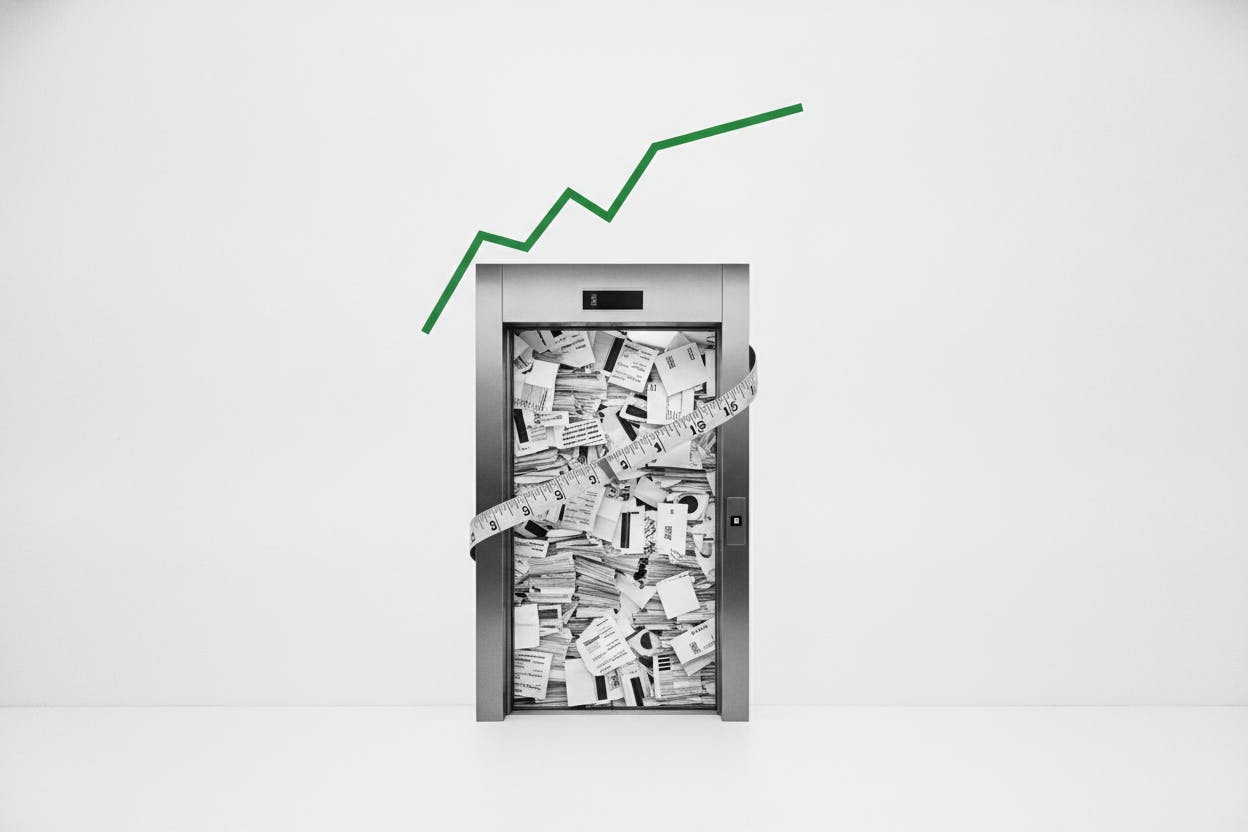
Schindler's second-quarter update showed that order intake is picking up pace, with the company's backlog rising 5.8% since the end of 2025. A growing backlog typically signals that more installation and service work is lined up for future quarters, which can translate into higher revenue down the line.
RBC noted that this was the third straight quarter of faster order growth when measured in local currencies, even though overall revenue is still only edging higher. The trend suggests that demand for Schindler's products and services is strengthening after a period of slower activity.
What RBC changed
Based on the improving order picture, RBC raised its sales forecasts for Schindler through 2028. The bank also increased its adjusted earnings-per-share (EPS) estimates for 2026, 2027, and 2028. EPS is a key measure of a company's profitability, calculated as net income divided by the number of outstanding shares.
Despite the upward revisions, RBC kept its rating unchanged at 'sector perform,' which is roughly equivalent to a 'hold' recommendation. The bank also held its price target at 295 Swiss francs per share. A price target is an analyst's estimate of what a stock should be worth over a certain period, often 12 months.
What it means for investors
For everyday investors, the key takeaway is that Schindler's business appears to be gaining momentum after a sluggish period. A growing order book and rising backlog are positive signals that can support future revenue and profit growth. However, RBC's decision to keep its rating and price target unchanged suggests the stock may already reflect much of this good news.
Investors should watch whether Schindler can convert its growing backlog into actual revenue growth in the coming quarters. If revenue starts to accelerate alongside orders, it could provide further support for the stock. Conversely, if the backlog fails to translate into higher sales, the current optimism may fade.
Schindler operates in a cyclical industry tied to construction activity and commercial real estate. The company's performance is influenced by broader economic conditions, including interest rates and building investment. For context, other industrial companies have also seen mixed demand patterns recently, as seen in Nucor's strong steel volumes and RTX's record backlog.
Broader context
Schindler is one of the world's largest elevator and escalator manufacturers, competing with Otis, Kone, and Thyssenkrupp. The company generates revenue from new installations as well as from maintenance and modernization of existing equipment. The service business tends to be more stable and profitable, providing a recurring revenue stream.
The elevator industry has faced headwinds in recent years from slower construction activity in key markets like China and Europe. However, demand for modernization and maintenance has remained relatively resilient. The recent pickup in order growth could indicate that the downturn in new installations is bottoming out.
RBC's move to raise estimates through 2028 suggests the bank sees the improvement as durable rather than temporary. Still, the unchanged price target implies limited upside from current levels. Investors may want to compare Schindler's valuation and growth prospects with other industrial stocks, such as SLB's revenue growth outlook or SAP's cloud backlog strength.
What to watch next
Investors should monitor Schindler's upcoming quarterly reports for signs that the order momentum is translating into higher revenue and profit. Key metrics to track include order growth rates, backlog conversion, and margins. The company's performance in China, a major market, will be particularly important.
Also worth watching is whether other analysts follow RBC's lead in raising estimates. If more banks upgrade their forecasts, it could create positive sentiment around the stock. Conversely, if the broader economic outlook deteriorates, the recovery in orders could stall.
For now, RBC's analysis paints a cautiously optimistic picture: Schindler's business is improving, but the stock may already be priced for that improvement. As always, investors should consider their own financial goals and risk tolerance before making any decisions.