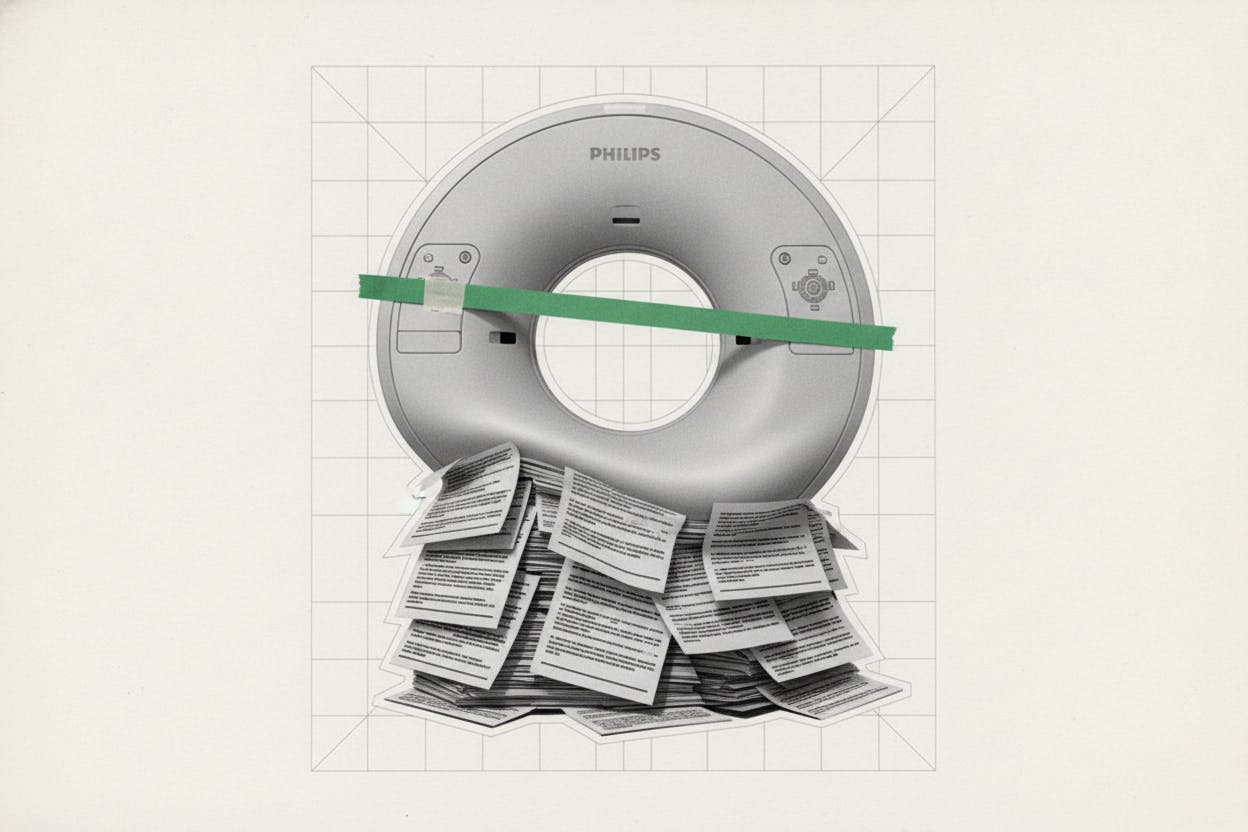
RBC Capital Markets has trimmed its profit outlook for Dutch health-technology giant Philips, pointing to a costly second quarter that fell short of expectations. The bank cut its fiscal 2026 adjusted EBITA estimate by 2%, excluding a one-time benefit from a US tariff refund, even though Philips itself reaffirmed its full-year guidance.
What happened in Q2?
Philips, known for its medical imaging equipment, personal care products, and sleep therapy devices, reported a "significant" margin miss in its Diagnosis & Treatment division during the second quarter. RBC analysts attributed the shortfall to higher costs, a weaker currency backdrop, and a less favorable product-and-region mix in China. They also noted a tougher comparison in the company's Personal Health segment, which sells items like electric toothbrushes and grooming products.
Adjusted EBITA is a key profitability measure that strips out certain one-off items and intangible amortization, giving investors a clearer view of underlying operational performance. A 2% cut to the estimate may sound small, but for a company of Philips's size, it can translate into tens of millions of euros in expected profit.
Why did RBC cut its estimate?
RBC, a global investment bank, revised its forecast after reviewing the quarterly results. The bank said the cut excludes the impact of a US tariff refund, which provided a one-time boost to earnings. Without that refund, the underlying profitability picture was weaker than previously expected.
The analysts highlighted several headwinds: rising input costs, currency fluctuations that can affect overseas sales, and a challenging environment in China, where product mix and regional demand were less favorable. They also pointed to a tougher year-over-year comparison in Personal Health, meaning last year's strong performance made this year's numbers look less impressive.
Despite these issues, Philips management stuck with its full-year guidance, signaling that it still expects to meet its previously announced targets. This is often a sign that the company believes the Q2 stumble was temporary or that it has plans to offset the weakness in the second half of the year.
What does this mean for investors?
For everyday investors, this news is a reminder that even well-established companies can have uneven quarters. Philips has been in the middle of a multi-year turnaround, focusing on improving profitability and simplifying its portfolio. The fact that RBC trimmed its forecast suggests that some of the optimism around that turnaround may need to be tempered, at least in the near term.
However, the company's decision to maintain its full-year guidance is a positive signal. It suggests that management sees the Q2 issues as manageable and expects to recover in the coming quarters. Investors should watch whether Philips can deliver on that promise, especially in its key Diagnosis & Treatment unit, which includes MRI machines, CT scanners, and other diagnostic equipment.
It's also worth noting that analyst estimate changes like this are common and often reflect incremental adjustments rather than dramatic shifts in outlook. A 2% cut is relatively modest, and the stock may not react strongly unless other factors come into play.
Broader context
Philips operates in the competitive health-technology sector, where companies like GE HealthCare and Siemens Healthineers also compete. The industry has been dealing with supply chain disruptions, inflation, and varying demand across regions. China, in particular, has been a focus for many medical device makers, as government policies and local competition can affect sales.
RBC's move is part of a broader pattern of analysts adjusting forecasts after earnings reports. Similar adjustments have been seen across other sectors, as companies navigate a mixed economic environment. For instance, RBC also trimmed its forecasts for Shell recently, though it still saw potential for larger shareholder returns. And in other corners of the market, Amadeus beat profit forecasts but trimmed its 2026 outlook due to softer Middle East bookings, showing that guidance changes can cut both ways.
Investors should also keep an eye on how Philips manages its costs and currency exposure. A weaker euro, for example, can make European exports more competitive but can also inflate the cost of imported components. Similarly, the tariff refund from the US was a one-time event, so future quarters won't have that boost.
What to watch next
The key question for Philips investors is whether the company can deliver on its full-year targets. If the Q2 margin miss proves to be a blip, the stock could recover. But if the headwinds persist, further estimate cuts may follow.
RBC's action also highlights the importance of looking beyond headline earnings to understand the quality of a company's profits. Adjusted figures and one-time items can obscure the underlying trend, so it's always wise to read the fine print in earnings releases.
For now, the message from RBC is cautious but not alarming. The bank still sees value in Philips, but it's signaling that the road to improved profitability may be bumpier than initially expected. As always, investors should consider their own financial goals and risk tolerance before making any decisions.