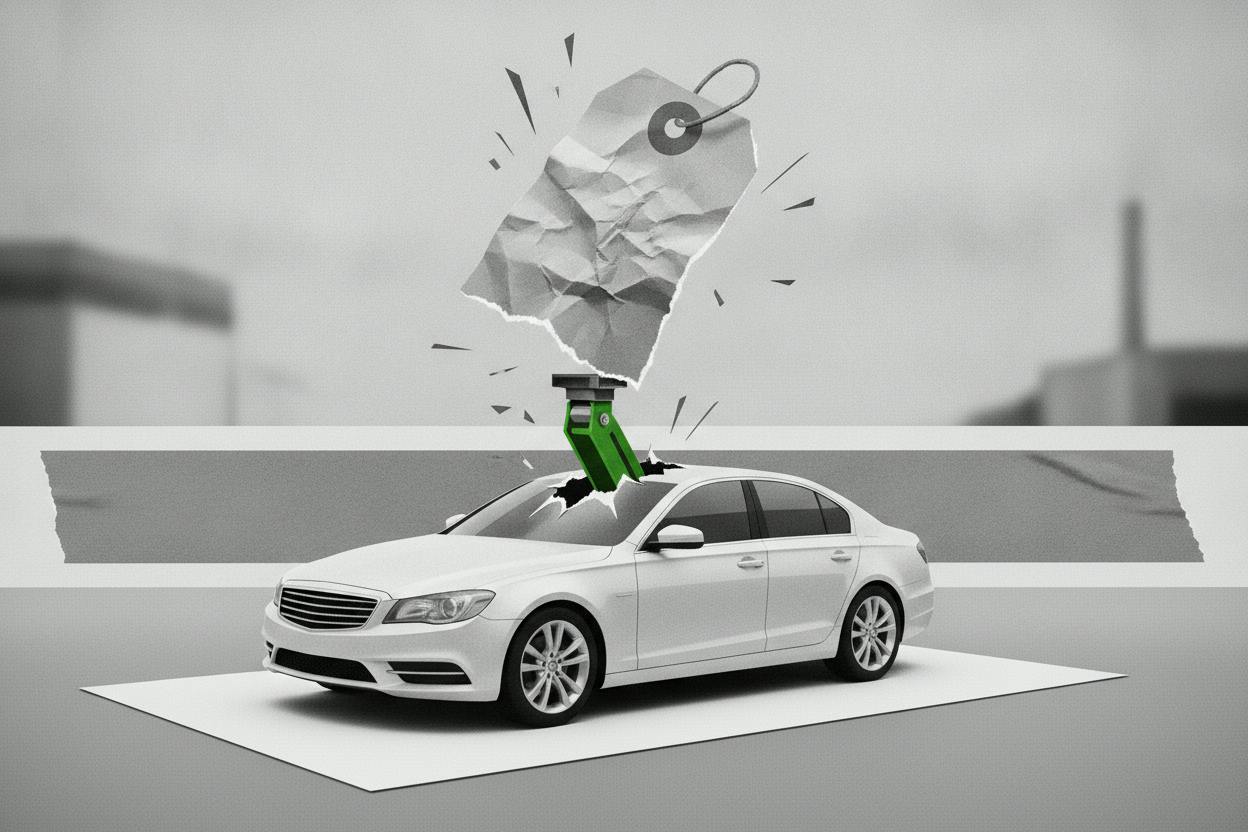
After a stretch where automakers had to offer discounts and incentives to move vehicles off dealer lots, RBC Capital Markets believes the tide may be turning. In a note to clients, the investment bank said US automakers—including Tesla, General Motors, and Ford—could head into their next earnings reports with something they've lacked recently: pricing power.
Pricing power, in plain terms, is a company's ability to raise or maintain prices without losing customers. For carmakers, that means selling vehicles at higher average prices or with fewer costly incentives. When pricing power is strong, it typically boosts profit margins, which is why investors pay close attention to it.
What's driving the optimism?
RBC points to two main factors. First, US car demand has been steady. Even with interest rates still elevated and consumers feeling the pinch of inflation, the pace of vehicle sales has held up better than some feared. That stability gives automakers less reason to slash prices to chase volume.
Second, the bank flagged the possibility of a US-Mexico trade agreement being reached before the end of the year. Such a deal could remove uncertainty around tariffs and cross-border supply chains, which are critical for an industry that relies heavily on parts and assembly plants in Mexico. A clearer trade environment would be a tailwind for automakers, potentially lowering costs and smoothing production.
It's worth noting that this is a forecast from one bank, not a guarantee. Trade negotiations can be unpredictable, and demand could soften if the economy slows. But RBC's view adds to a growing sense that the worst of the pricing pressure may be behind the sector.
What it means for investors
For everyday investors, the key takeaway is that the earnings season ahead could look more favorable for automakers than recent quarters. If pricing power is indeed returning, you might see better-than-expected profit numbers from Tesla, GM, and Ford when they report.
However, it's important to remember that each company has its own challenges. Tesla, for instance, has been cutting prices to defend its market share in an increasingly crowded EV field. GM and Ford are navigating the transition to electric vehicles while managing traditional gas-powered lineups. Pricing power is just one piece of the puzzle.
Investors should also consider the broader context. The auto industry is cyclical, meaning it tends to rise and fall with the economy. If the job market weakens or consumer spending pulls back, even steady demand could evaporate quickly. And while a US-Mexico trade deal would be positive, it's not a done deal.
For those who own auto stocks or are thinking about buying them, RBC's note is a reason to watch the upcoming earnings reports closely. Look for comments from management about pricing, incentives, and demand. Those signals will tell you whether the optimism is justified.
It's also a reminder that pricing power is a theme across the market. In other sectors, companies with strong brands or unique products are managing to hold prices even as costs rise. For example, Delta's pricing power held up in its third quarter, according to UBS, despite a dip in the stock. That's a sign that pricing power isn't just an auto story—it's a broader marker of corporate health.
As earnings season unfolds, investors will be watching to see which companies can maintain margins. The bar is rising for many sectors, and autos are no exception. If RBC is right, the big three US automakers could clear that bar with room to spare.
Of course, there are risks. Trade deals can fall apart, and consumer sentiment can shift quickly. But for now, the outlook is more constructive than it has been in a while. As Goldman Sachs upgraded global stocks and bonds to overweight on earnings strength, the broader market is also finding support. Autos may be part of that trend.
For investors, the bottom line is to stay informed and not overreact to any single analyst note. RBC's view is a useful data point, but it's not a recommendation to buy or sell. The real test will come when these companies report their numbers and executives talk about the road ahead.
In the meantime, keep an eye on trade headlines and monthly sales data. Those will give you a sense of whether the pricing power story is gaining traction or fading. And as always, diversify your portfolio so that no single sector—autos or otherwise—can derail your long-term goals.