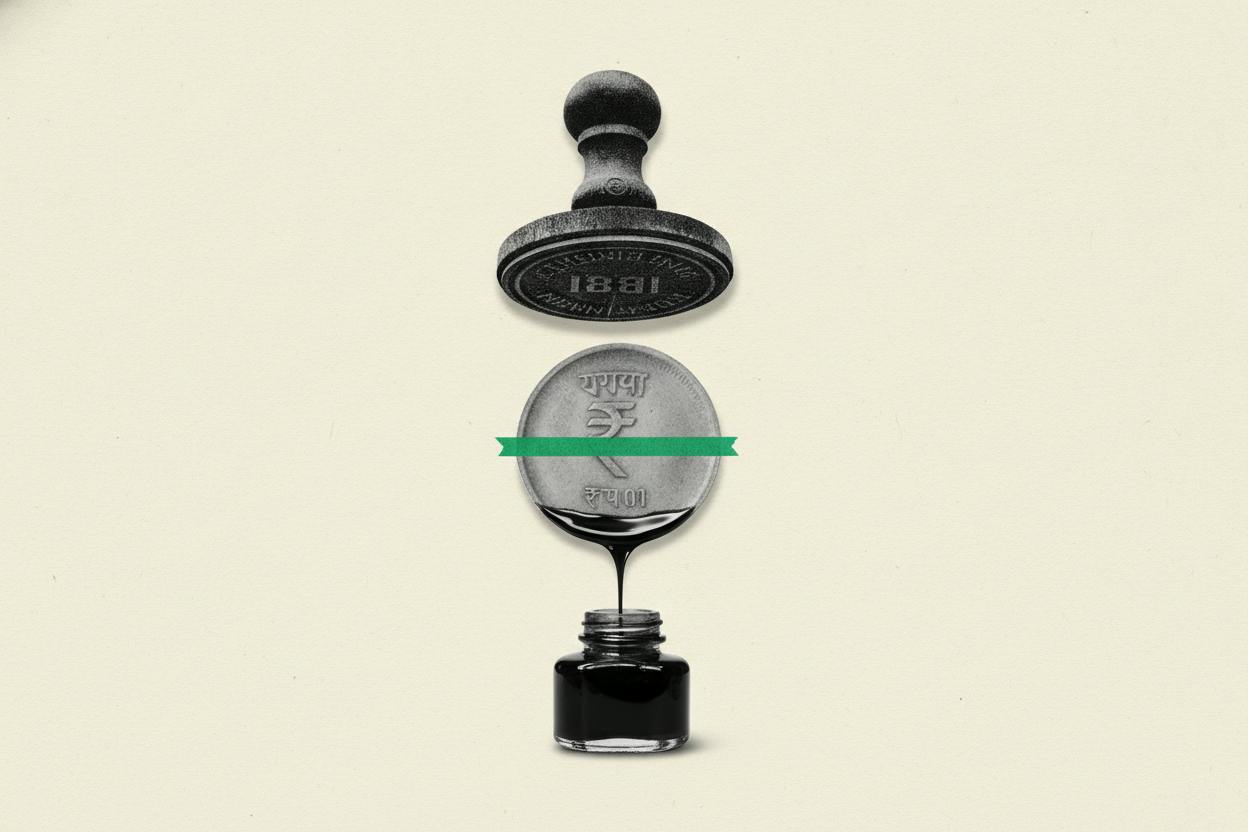
Indian equities are bracing for a cautious open as investors turn their attention to the Reserve Bank of India's (RBI) upcoming policy decision. The central bank is widely expected to deliver a 25-basis-point rate hike, but the real focus is on the accompanying statement and whether it signals a more aggressive fight against inflation.
With oil prices hovering near $101.5 a barrel and inflation risks persisting, traders are less concerned about the quarter-point move itself and more about the RBI's forward guidance. A shift in language from "neutral" to "calibrated tightening" or "withdrawal of accommodation" would indicate that policy may stay restrictive for longer than previously anticipated.
Why the RBI's wording matters
The RBI has kept rates on hold since its last move, but the combination of higher crude prices and stubborn inflation is forcing the central bank to reconsider. A 25-basis-point hike is largely priced into markets, so the reaction will hinge on the tone of the policy statement.
Goldman Sachs, a global investment bank, has noted that the RBI could adopt a more hawkish stance, potentially shifting from its current "neutral" posture. Such language would signal that interest rates may remain elevated for an extended period, which has broad implications for the economy and financial markets.
Rate expectations drive everything from bank funding costs to how foreign investors price Indian assets. A more hawkish tone can also support the rupee by keeping India's short-term interest rates relatively attractive compared to the US, helping to offset some of the inflationary pressure from importing costlier crude.
What it means for the rupee and oil
The rupee's next move, currently near 96.3900 per dollar, could hinge on the RBI's wording. If the central bank pairs the rate hike with a clear shift toward "calibrated tightening" or "withdrawal of accommodation," markets typically pencil in higher rates for longer. That can widen India's short-rate advantage over the US, lending the currency support through "carry"—the practice of earning the interest-rate differential.
A steadier rupee is especially important with Brent crude around $101.5. A stable currency can limit how much oil's jump shows up in local-currency import bills, easing pressure on India's inflation outlook. Conversely, a weaker rupee would make imported energy more expensive, adding to price pressures.
Broader market context
Indian stocks have been sensitive to global cues, including moves in the US dollar and commodity prices. The RBI's decision comes at a time when other central banks, such as the US Federal Reserve, are also navigating inflation and rate policy. Investors are watching for any divergence in policy paths, as that can affect capital flows into emerging markets like India.
For everyday investors, the key takeaway is that the RBI's language matters as much as the rate change itself. A hawkish shift could mean higher borrowing costs for businesses and consumers, potentially weighing on corporate earnings and stock valuations. On the other hand, a more balanced tone might reassure markets that the central bank is not overreacting.
As always, the RBI will balance its mandate to control inflation with the need to support economic growth. The decision and the accompanying commentary will offer clues on how it plans to navigate that trade-off in the coming months.
For now, traders are likely to stay cautious, watching the rupee and oil prices for immediate reactions. The longer-term impact will depend on whether the RBI's actions align with its words, and how global conditions evolve.