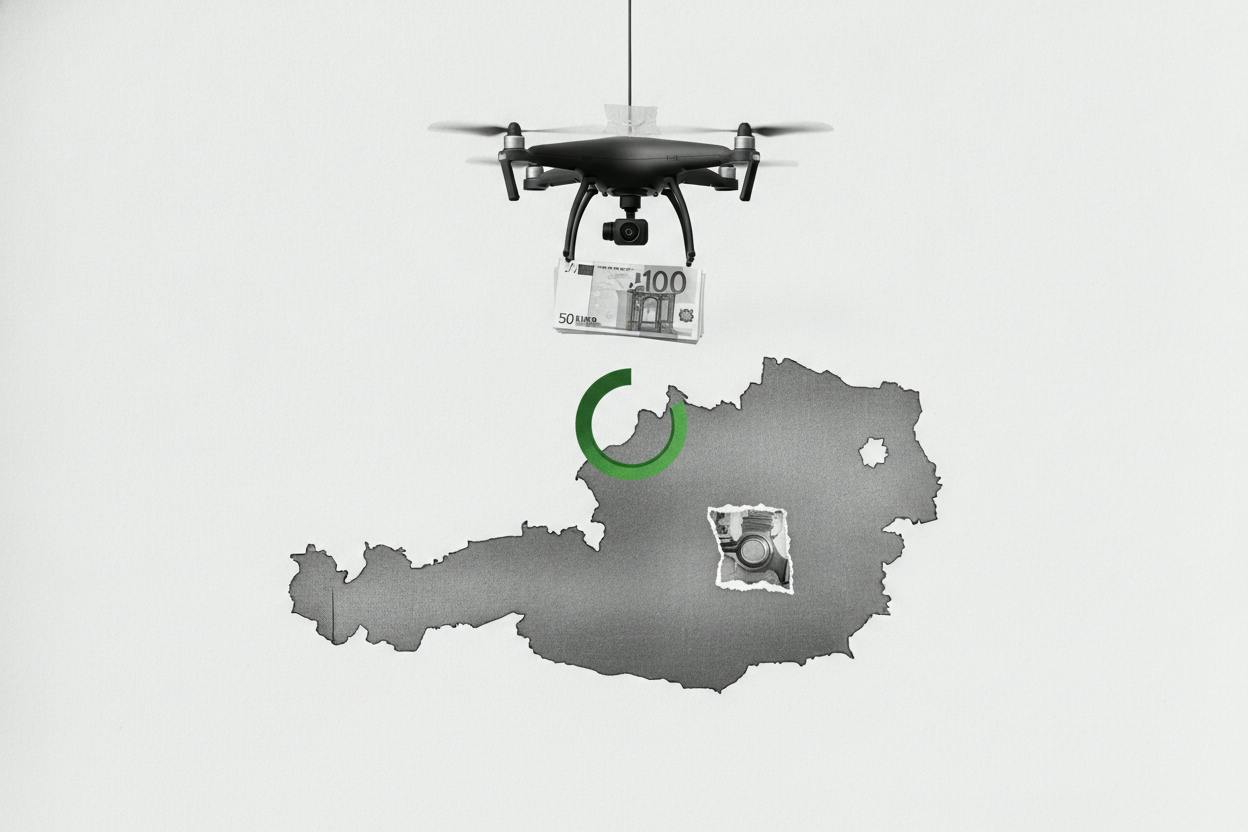
Red Cat Holdings, a US-based drone manufacturer, has announced plans to acquire Austria's Steyr Motors for approximately €205 million. The all-cash offer values Steyr at €39 per share, a 28.9% premium over its recent trading price. The deal is expected to close in the first half of 2027, giving both companies time to secure regulatory approvals and complete the transaction.
Who are the companies involved?
Red Cat Holdings is a drone technology company that designs and builds unmanned aerial systems for military and commercial use. The company has been expanding its footprint in the defense sector, where demand for drones has surged in recent years. Steyr Motors, based in Austria, is a well-known manufacturer of diesel engines and powertrains, historically serving automotive, marine, and industrial markets. The company has a long heritage in engineering and has been transitioning toward more specialized applications, including defense-related products.
The acquisition would give Red Cat access to Steyr's engine technology and manufacturing capabilities, potentially allowing the drone maker to integrate more advanced propulsion systems into its aircraft. It also marks a cross-border deal that highlights the growing convergence between traditional engineering firms and the fast-evolving drone industry.
Why is the deal structured this way?
The offer is an all-cash transaction, which is common in takeovers where the acquirer wants to provide certainty to shareholders. The 28.9% premium is designed to persuade Steyr's investors to sell their shares, as it offers a significant uplift over the market price before the announcement. Cash deals are often seen as more attractive than stock-for-stock exchanges because they eliminate uncertainty about the value of the acquirer's shares.
The expected closing timeline of first-half 2027 is notably long for a deal of this size. This could be due to regulatory hurdles, including antitrust reviews in multiple jurisdictions, or the need for shareholder approvals. In some cases, deals are structured with a longer timeline to allow for due diligence and to satisfy conditions set by regulators. Investors should note that a longer closing period also means the deal could be subject to changes in market conditions or the financial health of either company.
What does this mean for investors?
For Steyr Motors shareholders, the offer represents a clear exit at a premium. If the deal completes, they will receive €39 per share in cash, which is a solid return if they bought at lower levels. However, there is always a risk that the deal could fall through, especially given the extended timeline. If that happens, the share price could drop back to pre-announcement levels.
For Red Cat investors, the acquisition is a strategic move to broaden the company's capabilities and potentially strengthen its position in the defense drone market. However, the deal will require significant cash outlay, which could impact Red Cat's balance sheet. Investors will want to watch how Red Cat finances the purchase—whether through existing cash reserves, debt, or a combination—and whether the acquisition delivers the expected synergies.
Cross-border deals like this one also carry currency risk. The euro-dollar exchange rate could affect the final cost for Red Cat, which reports in US dollars. A stronger euro would make the deal more expensive, while a weaker euro would reduce the cost.
Broader market context
The drone industry has been a hot area for investment, driven by military modernization programs and commercial applications such as delivery and surveillance. Red Cat's move to acquire an engine maker reflects a trend of vertical integration, where companies seek to control more of their supply chain. Similar deals have been seen in other sectors, as companies look to secure critical components and reduce reliance on third-party suppliers.
The deal also comes amid a wave of M&A activity across industries, as companies position themselves for growth in a changing economic environment. For example, other recent takeovers have included FleetPartners' acquisition by SG Fleet and Cleanaway's takeover by EQT-backed Sedum. These deals highlight the ongoing consolidation in various markets.
Investors should also consider the regulatory landscape. Cross-border acquisitions often face scrutiny from competition authorities, and defense-related deals may trigger additional national security reviews. The long timeline for this deal suggests that such reviews could be a factor.
What to watch next
Key milestones to monitor include shareholder votes, regulatory approvals, and any updates on financing. If the deal proceeds smoothly, it could close by mid-2027. However, any delays or complications could push the timeline further or even derail the transaction. Investors in both companies should stay informed about developments and assess the risks accordingly.
For everyday investors, this deal is a reminder that M&A activity can create opportunities but also carries uncertainty. Understanding the terms, the strategic rationale, and the potential risks is essential before making any decisions.



