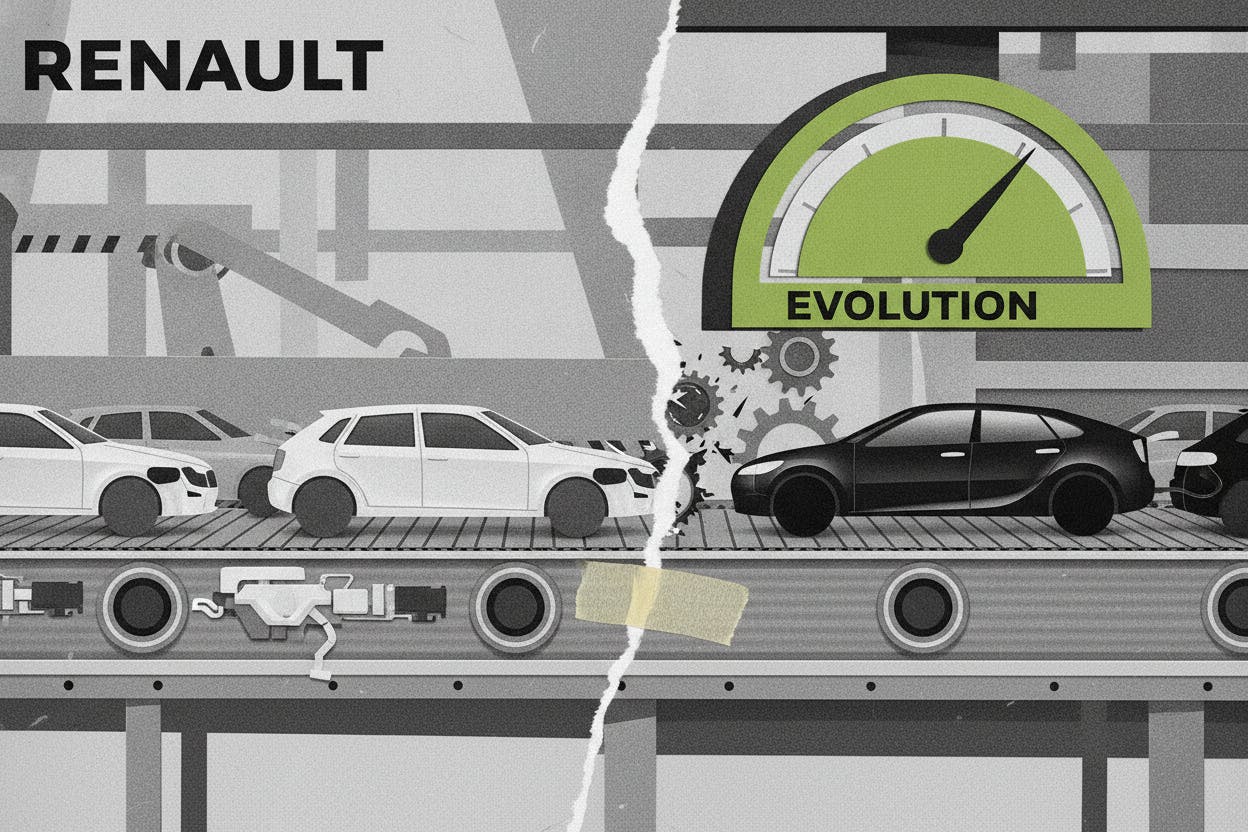
French automaker Renault swung back to profit in the first half of 2024, reporting net income of €700 million compared with a loss of €11.18 billion a year earlier. The turnaround was powered by a sharp jump in electric vehicle (EV) sales, which rose 47.6%, even as the broader European market faces mounting price pressure from Chinese competitors.
Revenue and margin performance
First-half revenue climbed 9.4% to €30.25 billion, helped by stronger EV demand and a more favorable product mix. Renault's operating margin held steady at 5.2%, down from 6% in the same period last year but still within the company's medium-term target range. The margin compression reflects the cost of investing in new EV models and the impact of more aggressive pricing across Europe.
The year-ago loss was largely due to a one-time €9.3 billion charge related to Renault's stake in Nissan. Excluding that hit, the underlying business was already improving, but the latest results show that the company's EV strategy is now delivering measurable financial benefits.
EV push as a competitive shield
Renault's 47.6% jump in fully electric car sales stands out in a European market where overall EV demand has shown signs of cooling. The company has been rolling out new battery-electric models such as the Megane E-Tech and the smaller R5, aiming to capture a larger share of the growing but increasingly contested EV segment.
That contest is intensifying. Chinese automakers like BYD and Chery are expanding into Europe with lower-priced EVs, putting pressure on legacy manufacturers to cut costs and speed up their electric transitions. Renault's ability to grow EV sales while maintaining a 5.2% operating margin suggests its strategy of focusing on smaller, more affordable EVs may be helping it hold its ground.
For context, many European automakers have seen their margins squeezed as they pour billions into EV development while still relying on profits from combustion-engine vehicles. Renault's approach—centered on a dedicated EV platform and partnerships to share development costs—aims to keep spending under control.
What it means for investors
Renault's return to profit is a positive signal for shareholders, especially after the deep loss last year. The company's ability to grow revenue and EV sales simultaneously, without a dramatic collapse in margins, suggests its restructuring and electrification plans are on track.
However, investors should keep an eye on the competitive landscape. The European auto market is becoming more crowded, and price wars—especially in the EV segment—could erode margins in the second half of the year. Renault's operating margin of 5.2% is already below the 6% level it posted a year ago, and further declines are possible if Chinese rivals continue to gain share.
Another factor to watch is the broader economic backdrop. Interest rates in Europe remain elevated, which can dampen consumer demand for big-ticket items like cars. If borrowing costs stay high, even strong EV growth may not be enough to sustain revenue momentum.
For everyday investors, Renault's results highlight the importance of tracking how traditional automakers are navigating the EV transition. Companies that can grow their electric sales while protecting profitability may be better positioned than those that sacrifice margins to chase market share. The coming quarters will show whether Renault can maintain this balance as competition heats up.
Looking ahead
Renault is expected to provide more detail on its full-year outlook when it reports second-half results. Analysts will be watching for updates on EV order books, pricing trends, and any new partnerships or cost-cutting measures. The company's ability to hold its 5.2% operating margin in the face of rising competition will be a key test of its strategy.
In the meantime, the first-half numbers offer a clear message: Renault's bet on electric vehicles is helping it recover from a painful year, but the road ahead remains bumpy.