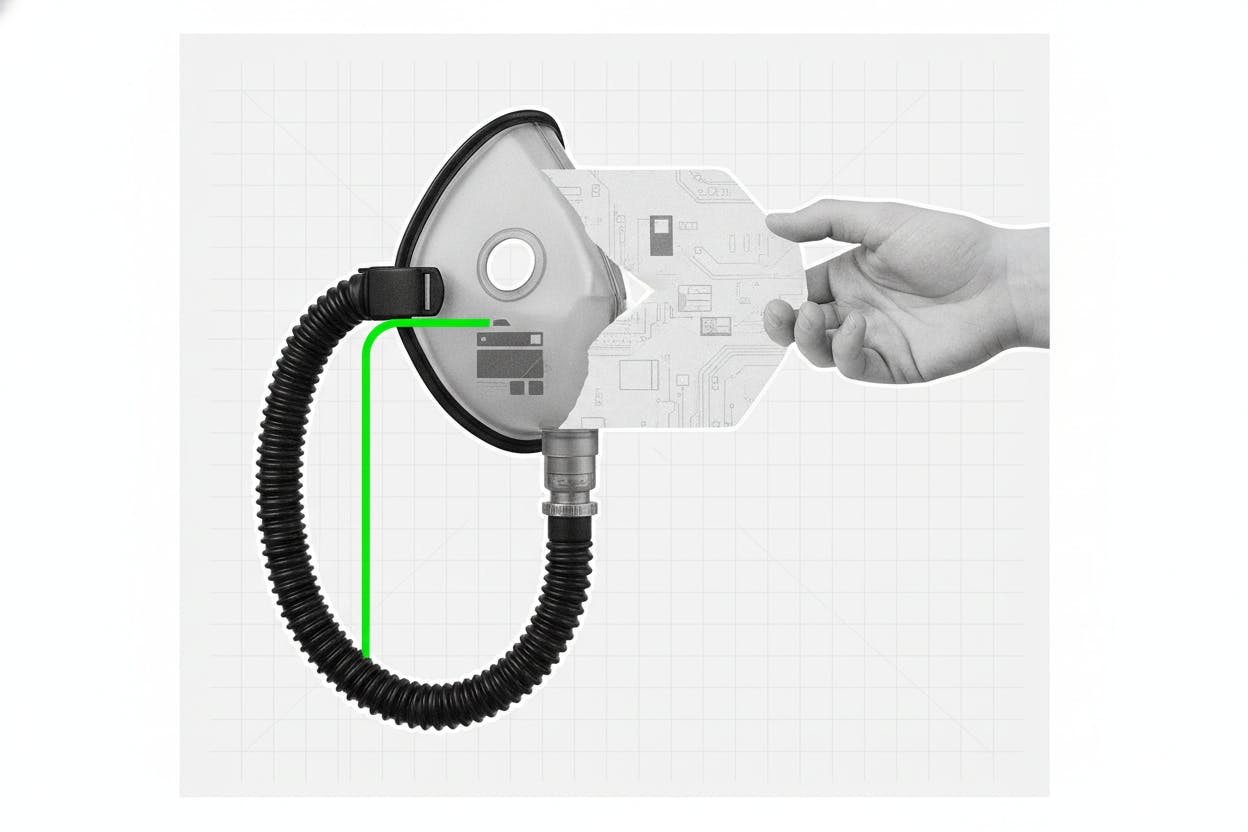
ResMed, the company best known for its sleep apnea devices, is selling a major piece of its software business. The company announced it has agreed to sell its MatrixCare software unit to private equity firm Frazier Healthcare Partners for $490 million in cash. The move is part of a broader strategy to refocus on its core sleep, breathing, and home-based care operations.
The sale includes MatrixCare and related brands such as Healthcare First and Citus, but ResMed will keep its Brightree software business in the United States and MEDIFOX DAN in Germany. MatrixCare serves more than 15,000 providers across senior living, long-term care, home health, and hospice. In fiscal 2026, the unit generated roughly $220 million in revenue and about $55 million in adjusted operating profit, according to preliminary figures.
Why ResMed Is Selling
ResMed has long been a leader in sleep apnea devices and respiratory care, but in recent years it built a sizable software portfolio serving healthcare providers. The MatrixCare sale marks a strategic reset: management is leaning into what it calls “connected” home care, where its core respiratory hardware and data services fit naturally. By shedding a software unit that serves a different part of the healthcare market, ResMed can concentrate resources on its strongest growth areas.
The company is also digesting its recent acquisition of Noctrix, a deal expected to add about $30 million in revenue in fiscal 2027 but reduce adjusted earnings per share by roughly 20 cents. That highlights that ResMed is actively changing its business mix rather than simply cutting costs. The sale of MatrixCare helps fund that shift while sharpening the company’s focus.
What the Deal Means for Investors
For investors, the $490 million price tag provides a useful benchmark for valuing healthcare software assets. With MatrixCare generating about $55 million in adjusted operating profit, the deal implies an operating-profit multiple close to 9 times. That yardstick helps investors compare other healthcare software companies and judge whether ResMed sold a solid business at a fair price.
The capital return plan is also significant. ResMed says it will use the net proceeds mainly to return capital to shareholders, including through an accelerated share repurchase. That’s a buyback done quickly via an investment bank, which can lift earnings per share fast by shrinking the share count, even if operating profit is flat. The timing is useful: as the Noctrix deal weighs on per-share profit in fiscal 2027, the buyback could help offset some near-term earnings optics while ResMed refocuses on its core markets.
This is not the first time a company has sold a non-core unit to sharpen its focus. Similar moves have been seen across industries, such as First Majestic Silver selling its San Martin mine or Onsemi selling two chip fabs. In each case, the goal is to streamline operations and return capital to shareholders.
Broader Market Context
The deal also reflects a broader trend in healthcare M&A. Private equity firms like Frazier Healthcare Partners are actively acquiring software platforms that serve aging populations and long-term care providers. As the population ages, demand for senior living, home health, and hospice services is expected to grow, making MatrixCare an attractive asset for a buyer focused on that space.
For ResMed, the sale frees up cash and management attention to pursue growth in sleep and respiratory care, where it already has strong market positions. The company’s connected devices and data services are central to its strategy, and the MatrixCare sale allows it to double down on that vision.
What to Watch Next
Investors will be watching how ResMed uses the proceeds from the sale, particularly the accelerated share repurchase. The buyback could provide a near-term boost to earnings per share, but the long-term story hinges on whether the company can accelerate growth in its core sleep and home care markets. The Noctrix acquisition, while dilutive to earnings in the short term, is expected to add revenue and could strengthen ResMed’s product lineup.
For those tracking healthcare software valuations, the MatrixCare sale provides a useful data point. The 9-times operating-profit multiple is in line with recent deals in the sector, but investors should note that multiples can vary widely depending on growth rates, customer concentration, and competitive dynamics.
Overall, the sale marks a clear strategic pivot for ResMed. By selling a non-core asset and returning capital to shareholders, the company is betting that its future lies in connected home care, not in serving senior living and long-term care providers. Time will tell if that bet pays off.