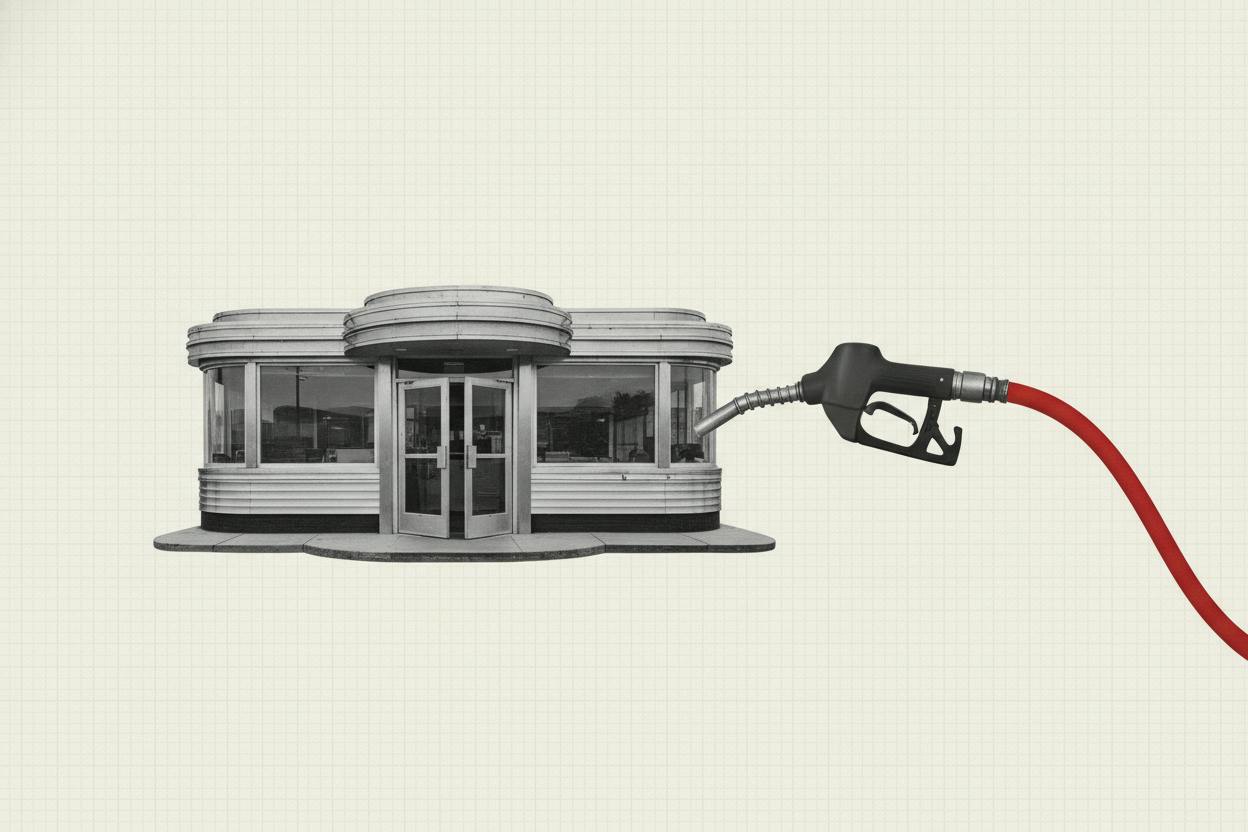
As fuel prices climb, investors are turning their attention to the US restaurant sector, where a handful of big names are set to provide a read on how higher costs are affecting the industry. UBS, a global investment bank, says demand still looks solid, but the market is watching McDonald's, Cracker Barrel, and Darden for any signs that pricier gas and diesel are starting to bite into sales and profit margins.
What's going on here?
Restaurant chains are facing a familiar but uncomfortable dynamic: energy costs are rising, and that can hit them from two directions at once. On the demand side, when drivers pay more at the pump, they often cut back on discretionary spending. A trip to a fast-food outlet or a casual dining spot may be postponed, or the order might get smaller. On the cost side, diesel is the workhorse fuel for trucking, so higher diesel prices quickly raise freight and distribution bills. That pushes up the cost of goods sold—essentially what it costs a chain to source ingredients and move them to stores.
UBS's view is that demand remains solid for now, but the concern is whether that holds as fuel costs continue to climb. The bank's commentary comes as investors look ahead to updates from three major players: McDonald's, the world's largest fast-food chain; Cracker Barrel, known for its country-style cooking and roadside locations; and Darden, which owns popular casual dining brands like Olive Garden and LongHorn Steakhouse. Each of these companies operates in slightly different segments of the restaurant market, but all are exposed to the same fuel-related pressures.
Why fuel costs matter for restaurants
For everyday investors, it's worth understanding how fuel prices ripple through a restaurant's financials. When gas prices rise, consumers have less disposable income after filling up their tanks. That can lead to fewer visits or a shift to cheaper menu items. Restaurants that rely heavily on drive-thru or delivery may see a bigger impact, as those trips are more sensitive to fuel costs.
On the supply side, diesel is critical for the trucks that deliver food and supplies to restaurants. When diesel prices rise, distribution costs go up. Some chains can pass those costs on to customers through higher menu prices, but that's a delicate balancing act. Raise prices too much, and you risk driving away price-sensitive customers. Keep prices steady, and your margins shrink.
This is why investors are watching these companies so closely. The key question is whether they can manage the squeeze without losing customers or sacrificing profitability. UBS's assessment that demand is still solid suggests the industry hasn't hit a wall yet, but the risk is clearly on the radar.
What it means for investors
For investors, the upcoming reports and presentations from McDonald's, Cracker Barrel, and Darden will offer clues about how the sector is navigating this environment. If these companies report strong sales and maintain or improve margins, it would suggest that fuel costs haven't yet become a major problem. On the other hand, if they show signs of weakening demand or margin pressure, it could signal broader trouble for the restaurant industry.
It's also worth noting that restaurant stocks are often seen as a barometer for consumer health. If people are still eating out despite higher fuel costs, that's a positive sign for the broader economy. But if spending starts to pull back, it could be an early warning for other discretionary sectors.
Investors should also keep an eye on the broader energy market. Fuel prices are influenced by global factors, including geopolitical tensions and supply decisions. For example, recent headlines about oil sliding on Iran diplomacy hopes show how quickly energy prices can move. A drop in oil prices could ease some of the pressure on restaurants, while a spike would make the situation worse.
Similarly, if inflation concerns persist, the Federal Reserve may be forced to keep interest rates higher for longer. As one Fed official recently warned about demand forcing faster rate hikes, higher borrowing costs could weigh on consumer spending and restaurant sales. That's another reason investors are paying close attention to the upcoming earnings.
For now, UBS's view that demand remains solid provides some reassurance. But the test is whether that holds as fuel costs climb. The next few weeks of earnings and updates from these restaurant giants will give investors a clearer picture of how the industry is faring.
As always, it's important to remember that individual stocks can be volatile, and past performance is no guarantee of future results. Investors should consider their own financial situation and risk tolerance before making any decisions.