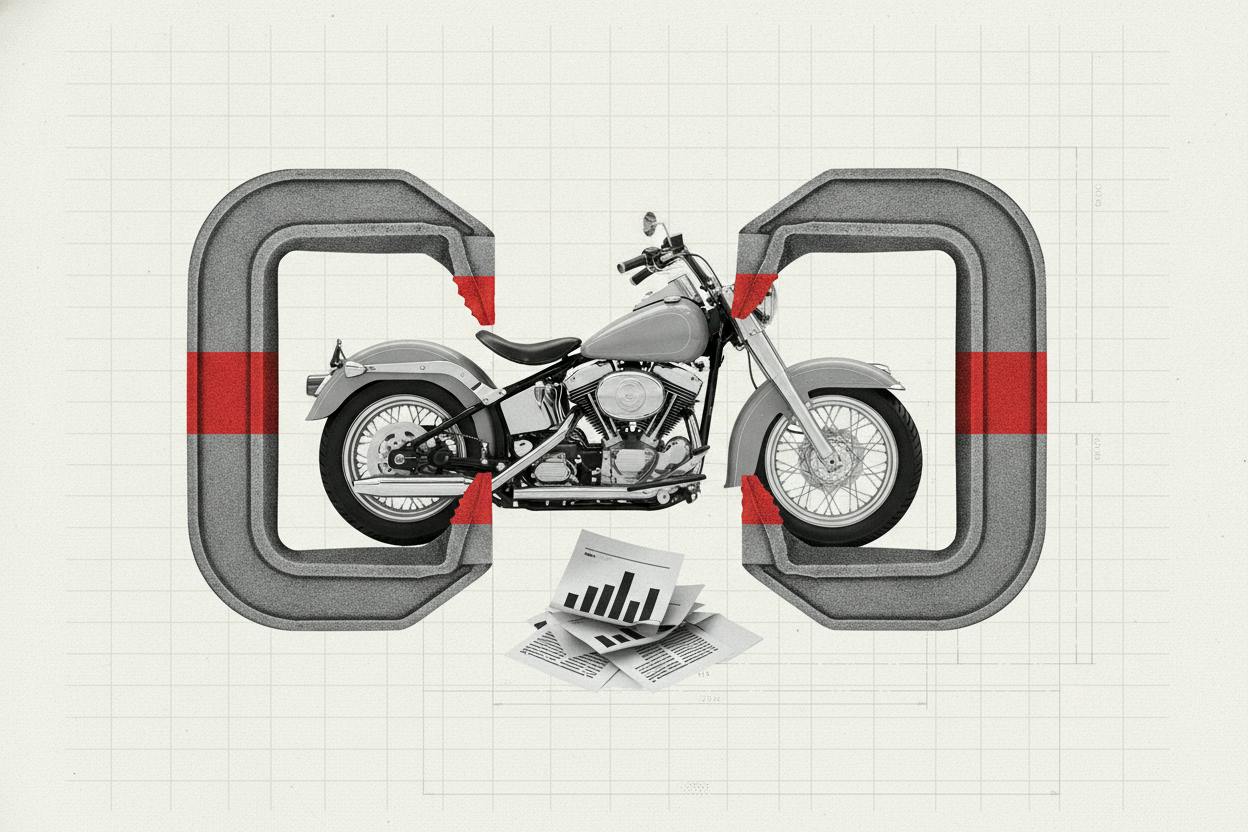
Eicher Motors, the Indian automaker behind the iconic Royal Enfield motorcycles, reported a jump in sales for the July–September quarter, but rising raw material costs ate into its bottom line, causing it to miss analysts' profit expectations.
The company said net profit rose 15% to 15.73 billion rupees (about $187 million) for the quarter ended September 30. That was below the 16.26 billion rupees that analysts had forecast, according to data from LSEG. Revenue, however, came in stronger than expected, climbing 20.3% to 74.22 billion rupees, helped by robust domestic two-wheeler demand.
The profit miss highlights a familiar squeeze for manufacturers: selling more products doesn't always translate into fatter profits if the cost of making them rises faster. Eicher's expenses jumped nearly 22% year over year, driven largely by higher prices for raw materials such as steel, aluminum, and other inputs used in motorcycle production.
Why costs are climbing
Raw material inflation has been a persistent headache for automakers globally. When commodity prices rise, companies face a choice: absorb the higher costs and accept thinner margins, or pass them on to customers through price hikes, which risks dampening demand.
Eicher appears to have absorbed some of the pressure, as its profit growth lagged its revenue growth. The company's operating margin likely narrowed, though the brief does not specify exact margin figures. For everyday investors, this is a key metric to watch: a company can grow sales impressively, but if margins shrink, the quality of that growth is lower.
The broader Indian two-wheeler market has been recovering, with consumers returning to showrooms after a few sluggish years. Royal Enfield, known for its classic, mid-sized motorcycles, has a loyal following and a strong brand, which helps it maintain pricing power. But even strong brands are not immune to input cost pressures.
What this means for investors
For investors, the takeaway is nuanced. On one hand, Eicher's revenue beat shows demand is healthy and the company is executing well on sales. On the other, the profit miss suggests that cost pressures are real and could persist if commodity prices stay elevated.
Investors often react to earnings misses by selling the stock, even if the underlying business is sound. That can create volatility in the short term. Long-term investors, however, may look past a single quarter and focus on whether the company can manage costs and maintain its competitive position.
It's also worth noting that Eicher's experience is not unique. Many manufacturers in India and elsewhere are grappling with similar input cost inflation. The company's ability to navigate this environment will be a key test of its management.
Looking ahead
Eicher's next earnings report will be closely watched for signs of margin recovery. Investors will also listen for any commentary on pricing actions, cost-cutting measures, or demand trends in the crucial festive season, which typically drives strong two-wheeler sales in India.
For now, the message is clear: Royal Enfield is selling more bikes, but the cost of making them is rising. Whether the company can turn that into higher profits will depend on how it manages its supply chain and pricing strategy in the coming quarters.
As with any earnings report, it's important for investors to look beyond the headline numbers and consider the broader context. A single quarter's miss doesn't necessarily change the long-term story, but it does highlight the risks that all manufacturers face when input costs rise.



