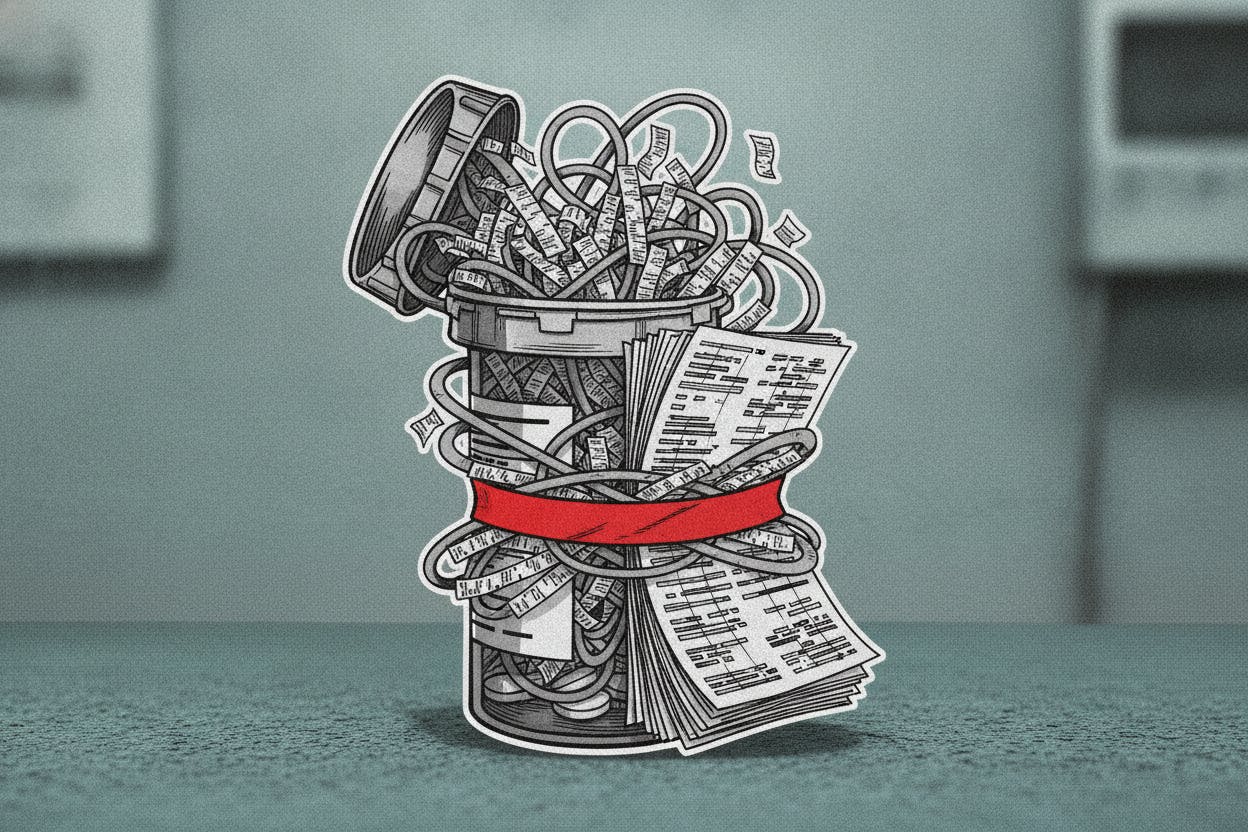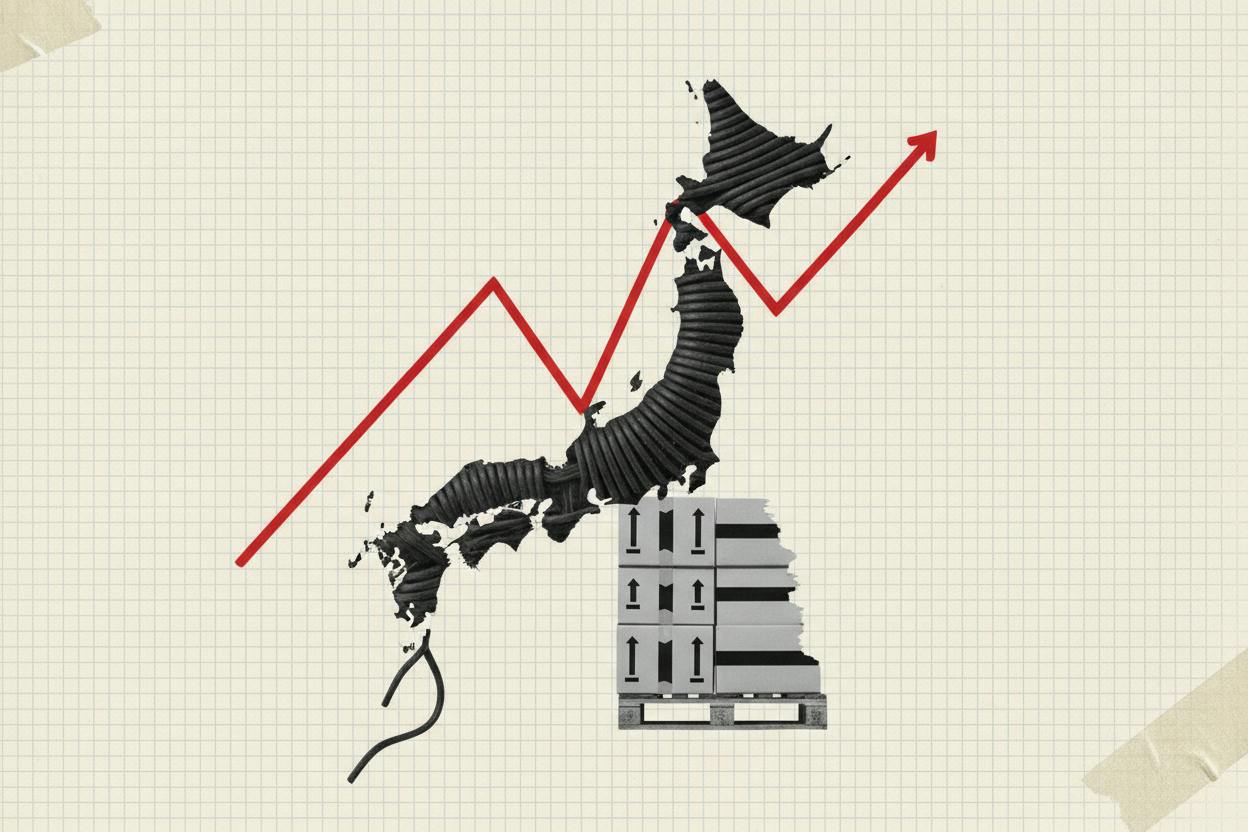
Rubber futures in Japan slipped on Friday as the Nikkei pulled back from recent highs, but the market remains on track for a second consecutive weekly gain, underpinned by a persistent global supply shortfall.
On the Osaka Exchange, the March rubber contract eased to about 454.9 yen per kilogram, a modest decline that followed a wobble in Japanese equities. Day-to-day, rubber often trades like a risk asset, moving with broader market sentiment, and it also takes cues from oil prices because synthetic rubber—made from petroleum—competes directly with natural rubber.
But the bigger story right now is simple arithmetic. The Association of Natural Rubber Producing Countries (ANRPC), an industry body, estimates that global production fell to 8.68 million tons in the first eight months of 2026, while consumption reached 9.89 million tons. That leaves a gap of roughly 1.21 million tons—a shortfall that must be filled by drawing down inventories.
That tightness is why the Singapore Exchange's SICOM benchmark recently pushed to its highest level since May 22, 2013, a level not seen in over a decade.
Why supply is lagging demand
The ANRPC's numbers point to a market where demand has been resilient, while supply has struggled to keep pace. Production shortfalls can stem from a variety of factors, including adverse weather, aging trees, and reduced planting in key producing countries. When demand runs ahead of supply, warehouses become the shock absorber: inventories get used to cover the shortfall.
As those stockpiles shrink, near-dated futures tend to hold a "tightness premium," meaning prices for immediate delivery stay elevated relative to later months. This also makes the market more sensitive to small disruptions—heavy rains, shipping delays, or export bottlenecks—that might otherwise be shrugged off in a well-supplied market.
That's why a brief equity-driven "risk-off" dip can be shallow while the physical deficit persists, even if prices remain volatile from session to session.
What it means for investors
For everyday investors, the rubber market may seem distant, but it offers a window into how commodity prices move when fundamentals are tight. Rubber is a key input for tires, hoses, and countless industrial products, so sustained price strength can feed into costs for manufacturers and, eventually, consumers.
For those with exposure to commodity-focused funds or companies in the auto and industrial sectors, the current tightness is worth watching. A prolonged supply deficit could keep rubber prices elevated, potentially squeezing margins for tire makers and other heavy users. Conversely, any sign of supply recovery—or a sharp slowdown in demand—could quickly reverse the trend.
The recent price action also highlights how interconnected markets are. Japanese equities and oil prices can influence rubber on any given day, but the underlying supply-demand balance is what ultimately sets the direction. As long as the ANRPC's projected gap persists, rubber is likely to remain supported, even if it takes occasional breathers like Friday's dip.
Investors should also note that commodity markets can be volatile, and rubber is no exception. While the current tightness is real, prices can overshoot to the upside and correct sharply. Keeping an eye on inventory data, weather patterns in producing regions, and global demand indicators will be key for anyone tracking this market.
For now, the market's focus remains on whether the supply shortfall will ease in the coming months or if the deficit will extend further. Either way, the current setup—tight inventories, a large production-consumption gap, and prices near multi-year highs—suggests that rubber will stay in the spotlight for some time.