Rubber futures edged higher in Asian trading on Monday, as a combination of rising oil prices and steady demand from China's tire makers provided fresh support for the commodity. The gains mark a modest recovery after prices mostly moved sideways last week.
What happened
Japan's Osaka Exchange (OSE) rubber contract for December delivery rose 0.6% to 422.3 yen per kilogram. Meanwhile, Shanghai's September natural rubber futures gained 0.57% to 16,900 yuan per metric ton, and the most-active September butadiene rubber contract jumped 3.76% to 12,970 yuan.
Japan Exchange Group, which operates the OSE, attributed the uptick to firm physical buying and short covering — a situation where traders who had bet on falling prices are forced to buy back contracts to close out their positions.
Why rubber prices are moving
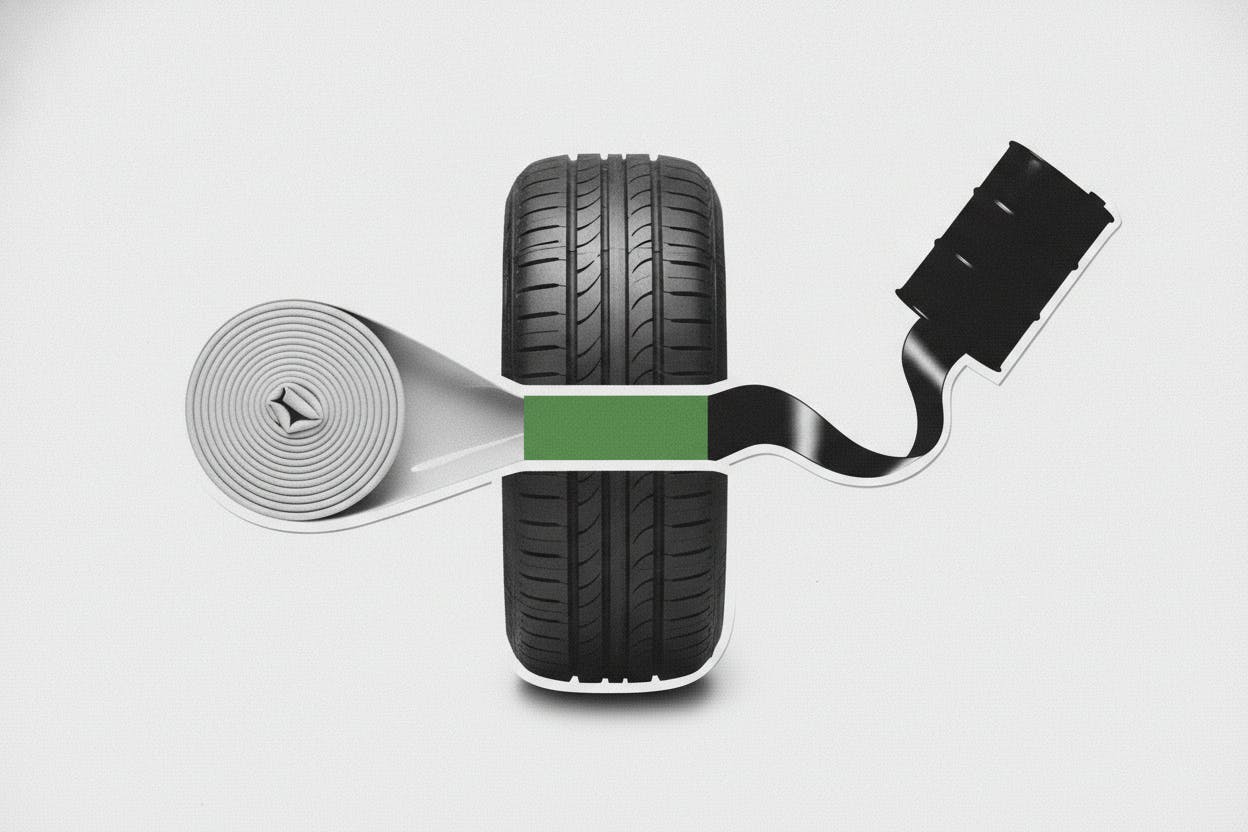
Two main factors are driving the move. First, oil prices have been climbing, with crude posting its first weekly gain in five weeks amid escalating tensions between the US and Iran. Higher oil costs make synthetic rubber — a petroleum-based alternative to natural rubber — more expensive, which in turn supports natural rubber prices.
Second, China's tire exports have remained steady, underpinning demand for rubber. China is the world's largest consumer of natural rubber, and its tire industry accounts for a significant share of global rubber demand. The country's tire exports have held up despite broader economic headwinds, including a recent dip in Chinese stocks to three-month lows.
Investors are also watching upcoming economic data from China, including GDP and trade figures, which could provide further clues on the health of the world's second-largest economy and its demand for raw materials.
What it means for investors
For everyday investors, rubber prices are a bellwether for industrial activity and global trade. When rubber prices rise, it often signals that manufacturing and transportation sectors are humming along — particularly in Asia, where most of the world's rubber is produced and consumed.
The current uptick suggests that demand from China's tire industry remains resilient, even as other parts of the Chinese economy show signs of slowing. However, investors should keep an eye on oil prices, which can swing rubber prices in either direction. If crude continues to rally, rubber could see further gains. Conversely, a drop in oil prices or a slowdown in Chinese exports could reverse the trend.
For those invested in rubber-related stocks or exchange-traded funds (ETFs), the key risks include a potential slowdown in global trade, a sharp drop in oil prices, or a deterioration in China's economic outlook. On the flip side, sustained demand from China's tire industry and higher oil prices could provide a tailwind.
Thailand, the world's largest rubber producer, recently held its key interest rate at 1.00% as inflation remained below forecast — a move that could support rubber prices by keeping the Thai baht relatively weak, making Thai rubber exports more competitive.
Broader market context
The rubber market's move comes amid a mixed session for Asian equities. Japan's Nikkei fell as an oil surge and chip weakness hit the market, while Chinese stocks hit three-month lows on profit-taking in AI and defense shares. The divergence highlights the complex forces at play in global markets: rising commodity prices can boost some sectors while weighing on others.
Investors will be watching for further developments in the US-Iran situation, which could push oil prices higher and, by extension, rubber prices. They'll also be monitoring China's upcoming GDP and trade data for signs of whether the country's tire exports can maintain their momentum.