Sable Offshore, an oil producer, saw its shares plummet 60.5% to a record low on Monday after the company warned that there is “substantial doubt” about its ability to continue as a going concern. The warning comes after its primary crude buyer reduced purchases, leaving the company with tight liquidity just as it faces upcoming bills and debt payments.
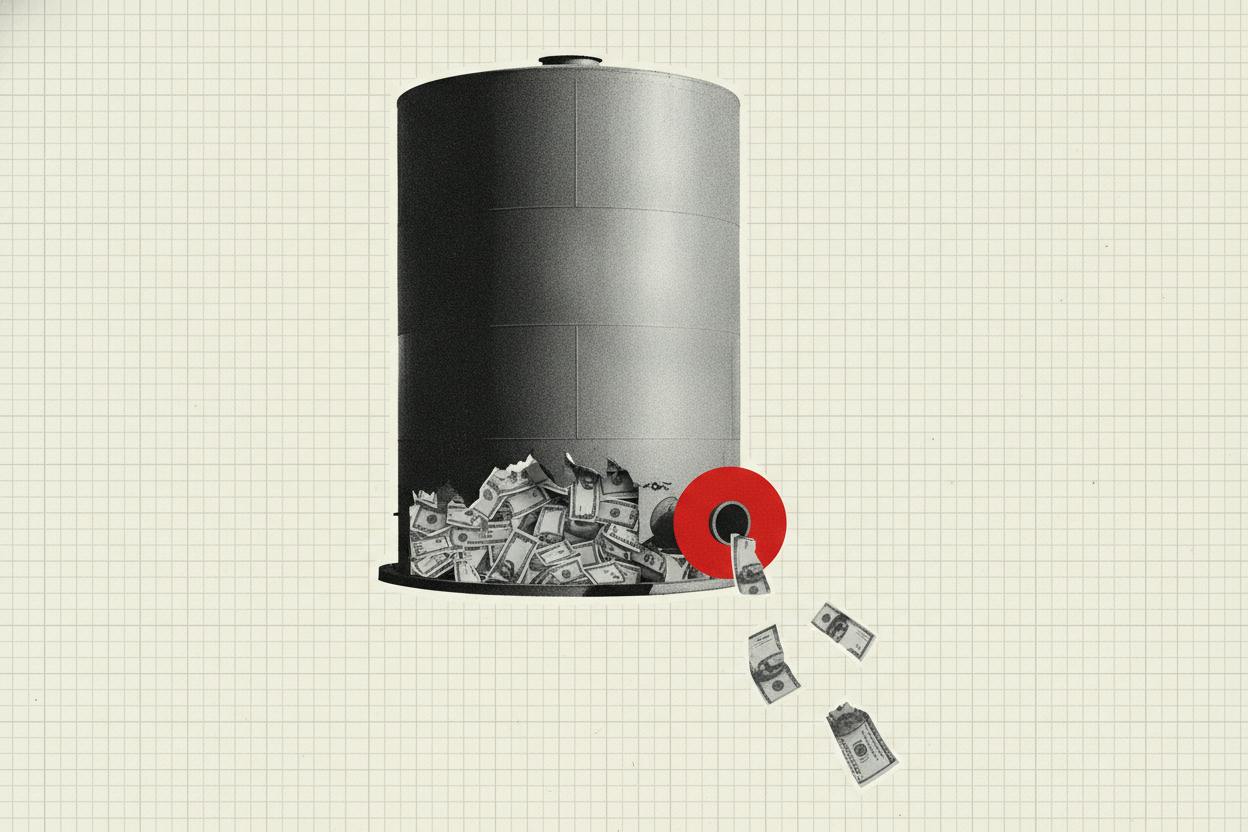
In a filing with the U.S. Securities and Exchange Commission (SEC), Sable said that its expected operating cash flow, even when combined with remaining proceeds from an earlier refinancing, will not be enough to cover its near-term costs and obligations. The company has been forced to curb production as its key customer takes fewer barrels, which means oil that would normally be sold and turned into cash is instead sitting in storage.
What is a going-concern warning?
A going-concern warning is a formal notice from a company that there is significant doubt about its ability to keep operating for the foreseeable future, typically the next 12 months. It is a red flag for investors because it signals that the company may not be able to pay its debts or continue its business without some form of rescue, such as new financing, asset sales, or a restructuring.
For an oil producer like Sable, the core business is turning crude in the ground into cash. When a dependable buyer steps back, the impact goes beyond lost revenue. Barrels that would normally be sold quickly linger in tanks, tying up working capital exactly when the company needs cash to pay suppliers, staff, and interest on debt.
Repeat warning after earlier scare
This is not the first time Sable has raised such a warning. In March, the company flagged similar concerns tied to upcoming debt maturities. That pressure appeared to ease in July when the company refinanced, extending maturities and improving its liquidity position. However, the disruption in sales from its main customer has persisted through the latest filing date, reviving the same fundamental question: can Sable turn its oil into cash fast enough to meet its obligations?
The company says it has started selling to other buyers and is exploring a bulk sale of the crude it has in inventory. It is also evaluating raising money through equity or unsecured debt. But Sable warned that the timing and success of these moves are uncertain.
What it means for investors
For investors, the sharp drop in Sable's share price—down to $0.76—shows how quickly a problem with a single customer can turn into a cash crunch. When a producer loses a reliable buyer, the immediate hit is lower revenue, but the bigger issue is that oil in storage is not cash. That ties up working capital at a time when payroll, suppliers, and interest payments are due.
Sable's options are all about liquidity: cut output to slow the build-up of inventory, sell a large chunk of stored crude in one go, and raise money through equity or unsecured debt. The catch is that a going-concern warning typically makes financing more expensive and more restrictive. Lenders and investors will demand higher returns for the added risk. And with the share price already down sharply, any equity raise could be highly dilutive to existing shareholders.
For those watching the stock, the terms of any inventory sale or new funding could move the share price as much as oil prices do in the near term. The company's ability to secure a new buyer for its crude, or to close a bulk sale, will be critical. If it can, the liquidity crunch may ease. If not, the going-concern risk could become a reality.
This situation is a reminder that for small-cap producers, the health of a single customer relationship can be as important as the price of the commodity itself. Investors in such companies should pay close attention to customer concentration and liquidity buffers, as these can be the difference between weathering a downturn and facing a serious financial crisis.
As Sable works through its options, the market will be watching for any announcements about new sales agreements or financing deals. The company's next steps will determine whether it can restore confidence and stabilize its finances, or whether the going-concern warning becomes a self-fulfilling prophecy.