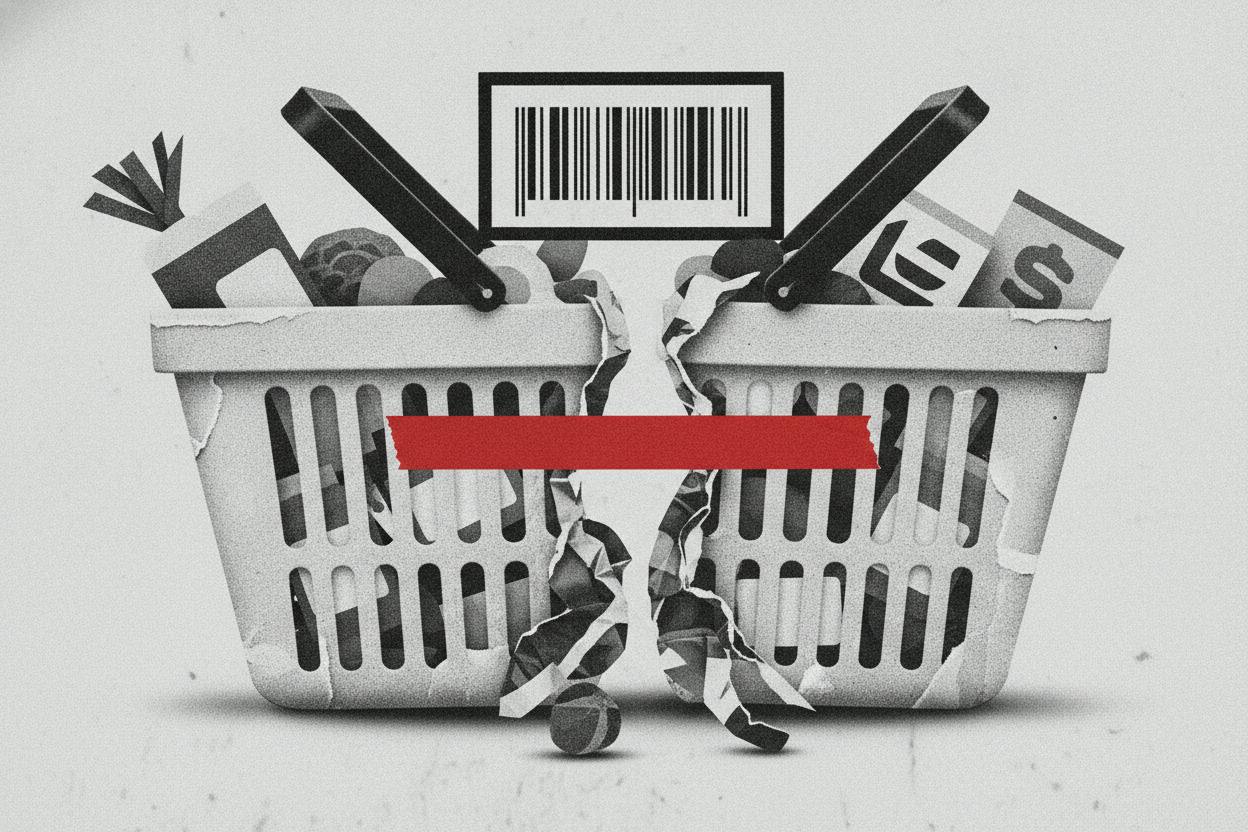
Britain's supermarket sector could have looked very different today. Sainsbury's, the country's second-largest grocer, held merger talks with rival Morrisons between November 2025 and February, before walking away, according to the Financial Times. The two companies weighed a multibillion-pound tie-up, though people close to the situation said they didn't rule out talks restarting.
Morrisons, the sixth-largest supermarket chain in the UK, is owned by Clayton Dubilier & Rice (CD&R), a US private equity firm. CD&R took Morrisons private in 2021 in a deal worth around £7 billion. Since then, the chain has been working to cut costs and pay down debt taken on during the buyout.
The news of the talks emerged as Sainsbury's reported slower underlying sales, a sign that the grocer is facing pressure in a competitive market. UK supermarkets have been locked in a price war, with discounters like Aldi and Lidl grabbing market share from the traditional 'big four' – Tesco, Sainsbury's, Asda, and Morrisons.
Why a merger made sense
A combination of Sainsbury's and Morrisons would have created a grocery giant with a combined market share of around 20%, second only to Tesco. That scale would give the merged company more bargaining power with suppliers, potentially lowering costs and helping it compete on price.
It would also have brought together two complementary store networks. Sainsbury's is strong in the south of England, while Morrisons has a bigger presence in the north. A merger could have allowed the combined company to close overlapping stores and streamline distribution, saving money.
But big supermarket mergers face serious regulatory hurdles. In 2019, Sainsbury's attempted to buy Asda, but the Competition and Markets Authority (CMA) blocked the deal, arguing it would lead to higher prices and lower quality for shoppers. Any new attempt to merge with Morrisons would likely face similar scrutiny.
The fact that talks broke down could reflect those concerns, or simply a disagreement over price. CD&R, as a private equity owner, would want a premium for Morrisons, while Sainsbury's would need to convince its own shareholders that the deal was worth the risk.
What it means for investors
For everyday investors, the collapse of these talks removes a potential source of volatility in the supermarket sector. Merger speculation often drives share prices up, and the end of talks could see Sainsbury's shares give back some of those gains.
But the story isn't necessarily over. People close to the situation said talks could restart, which means investors should keep an eye on any future announcements. If a deal does come back, it could reshape the UK grocery market and affect everyone who shops at either chain.
For Sainsbury's shareholders, the focus now shifts back to the company's underlying performance. Slower sales are a concern, but the company has been investing in its food business and expanding its non-food offerings, including clothing and general merchandise. Whether that strategy can hold up against the discounters remains to be seen.
For Morrisons, the aborted talks leave it in a tricky spot. As a private company, its shares aren't publicly traded, but its owner will be looking for a way to generate a return on its investment. That could mean another sale attempt, a stock market listing, or simply continuing to run the business and pay down debt.
Mergers and acquisitions are a common feature of the supermarket industry, and this isn't the first time Sainsbury's has been involved in talks. The company's failed Asda bid in 2019 shows that even when a deal makes strategic sense, regulators can stand in the way. Investors should be prepared for more headlines if talks resume.
In the meantime, the supermarket price war continues. With food inflation easing but consumers still watching their budgets, grocers are under pressure to keep prices low. That's good news for shoppers, but it squeezes profit margins and makes it harder for chains to invest in growth.
For those with money in the wider retail sector, the aborted merger is a reminder that consolidation is always a possibility. Other sectors have seen deals fall apart or be renegotiated as companies and regulators wrestle over terms. The outcome here could set a precedent for how future supermarket deals are viewed.
Ultimately, the story of Sainsbury's and Morrisons is one of ambition meeting reality. The logic of a merger is clear, but the obstacles are significant. For now, shoppers and investors alike will have to wait and see whether the two grocers find a way to come back to the table.