Italian energy contractor Saipem has confirmed that its 2027 financial outlook already accounts for the higher costs of operating in the Middle East amid the ongoing conflict with Iran. However, the company has not yet factored in any potential recovery of those costs from clients, leaving room for upside if reimbursements materialize.
The disclosure came during an earnings call, where Chief Financial Officer Paolo Calcagnini put it plainly: “The costs are in the numbers, the recovery (of costs) is not.” Chief Executive Alessandro Puliti added that Saipem expects “a good amount of support” from Middle East clients for war-driven overruns, such as pricier logistics and insurance.
What's behind the numbers?
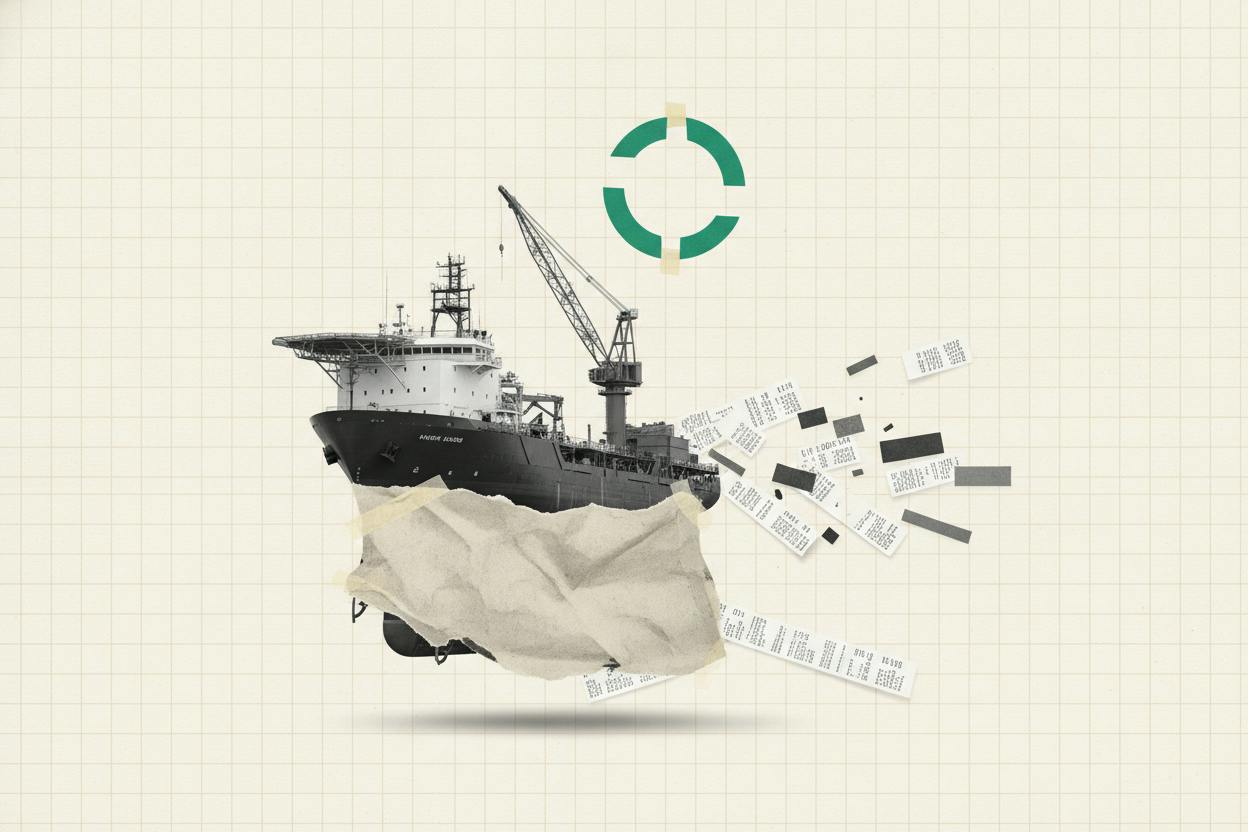
Saipem is one of the world's largest offshore engineering and construction firms, with a heavy presence in the Middle East. The region has become more expensive to operate in since the outbreak of the Iran war, with higher costs for transporting equipment, insuring assets, and securing personnel. These are the kinds of expenses that can quickly eat into a contractor's margins if they aren't passed on to clients.
The company guided to roughly €2 billion of core earnings (EBITDA) next year on €16.5 billion of revenue. That guidance already includes the war-related costs, but not any reimbursements. In other words, if clients do step in to cover some of those overruns, Saipem's actual results could come in better than the current forecast.
This is a common situation for contractors working in conflict zones. Many contracts include clauses that allow for cost recovery under certain circumstances, but the timing and amount are never certain. By leaving reimbursements out of the outlook, Saipem is taking a conservative approach—one that could lead to positive surprises later.
Merger with Subsea 7 delayed
On the corporate front, Saipem also provided an update on its proposed merger with Subsea 7, a rival offshore services company. The two firms are in “constructive talks” with the European Commission, the EU's competition regulator, and now expect the deal to close in early 2027. That's a later timeline than previously anticipated, reflecting the complexity of getting regulatory approval for a combination that would create a major player in the subsea market.
Mergers of this scale often face scrutiny from regulators concerned about reduced competition. The European Commission will likely examine whether the combined company would have too much control over certain services, such as pipeline installation or subsea construction. The fact that talks are described as “constructive” suggests the companies are working to address those concerns, but the process is taking time.
For investors, the delay means the benefits of the merger—such as cost savings and a stronger competitive position—will arrive later than originally hoped. But it also reduces the risk of a sudden regulatory rejection, which would have been a bigger blow.
What it means for investors
For everyday investors, the key takeaway is that Saipem is being cautious with its 2027 outlook. By including war costs but not potential recoveries, the company is setting a baseline that could be beaten if clients step up. That's a positive signal, but it also highlights the uncertainty of operating in a conflict zone.
The merger delay is a reminder that big deals can take time and may not always close on schedule. Investors should watch for updates from the European Commission and any signs that the talks are stalling. If the merger does go through, it could reshape the offshore services industry, but until then, Saipem's shares will likely be driven by its day-to-day operations and the broader oil and gas cycle.
In the meantime, Saipem's guidance of €2 billion in core earnings on €16.5 billion in revenue suggests a healthy margin, assuming costs stay under control. The company's ability to manage the Middle East situation will be a key factor in whether it hits those numbers.
For context, other companies have faced similar challenges in the region. Inflation and geopolitical tensions have been a recurring theme across markets, and energy firms are often on the front lines. Investors should keep an eye on how Saipem's clients respond to its cost-recovery requests, as that could set a precedent for other contractors in the region.
Overall, Saipem's message is one of cautious optimism: the costs are real, but so is the potential for recovery. The merger delay is a setback, but not a deal-breaker. For now, the company is focused on navigating the current environment and delivering on its promises.