US shoppers were busier at the checkout last week, according to a key retail gauge, but the numbers tell a mixed story about the health of the consumer. Redbook Research reported that same-store sales rose 8.7% year over year in the week ended Aug. 1, a solid gain that the firm linked to back-to-school shopping and temporary sales tax holidays in several states.
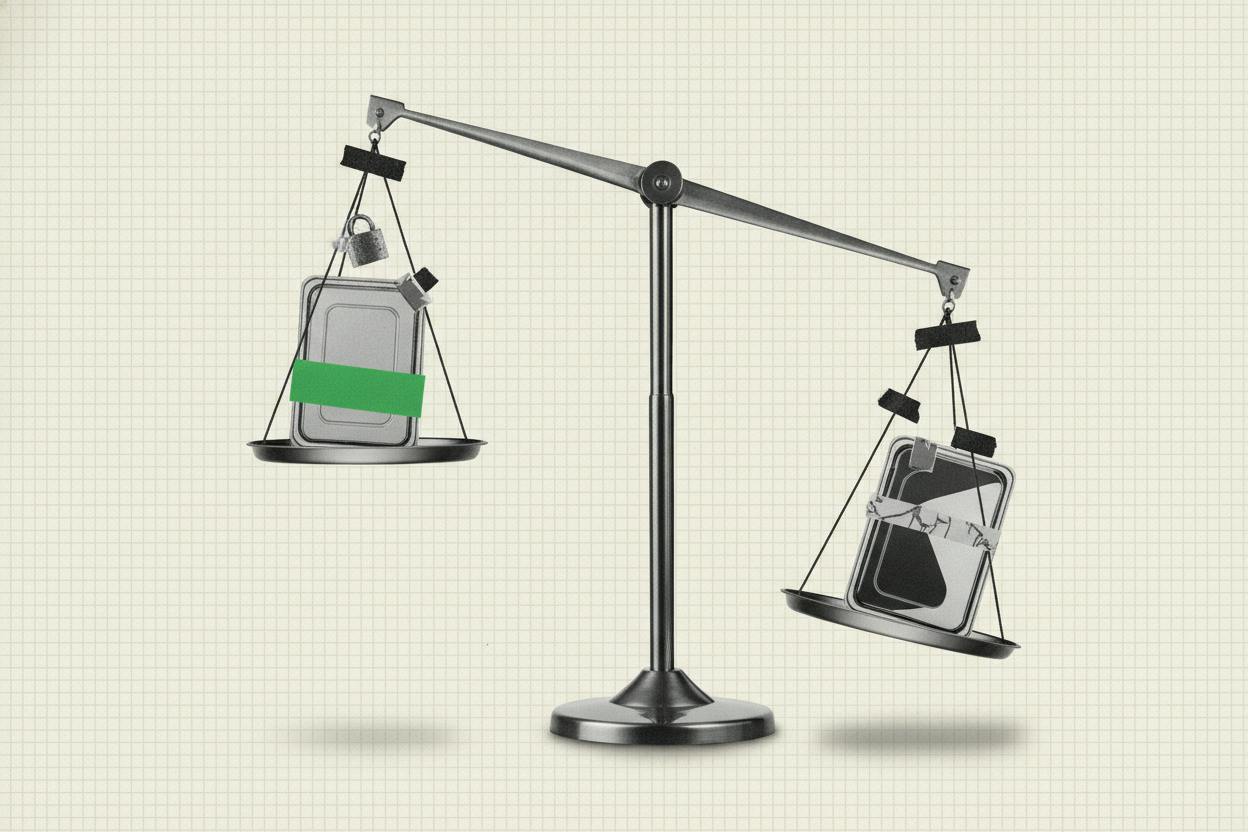
Yet beneath that headline number, two of America's biggest brands are moving in opposite directions. McDonald's is showing more strain as its value push fails to fully connect with budget-conscious diners, while Nike is facing skepticism about its near-term demand even as it works through a turnaround. The divergence is a reminder that aggregate retail data can mask big differences in how individual companies are faring.
What's driving the retail pickup?
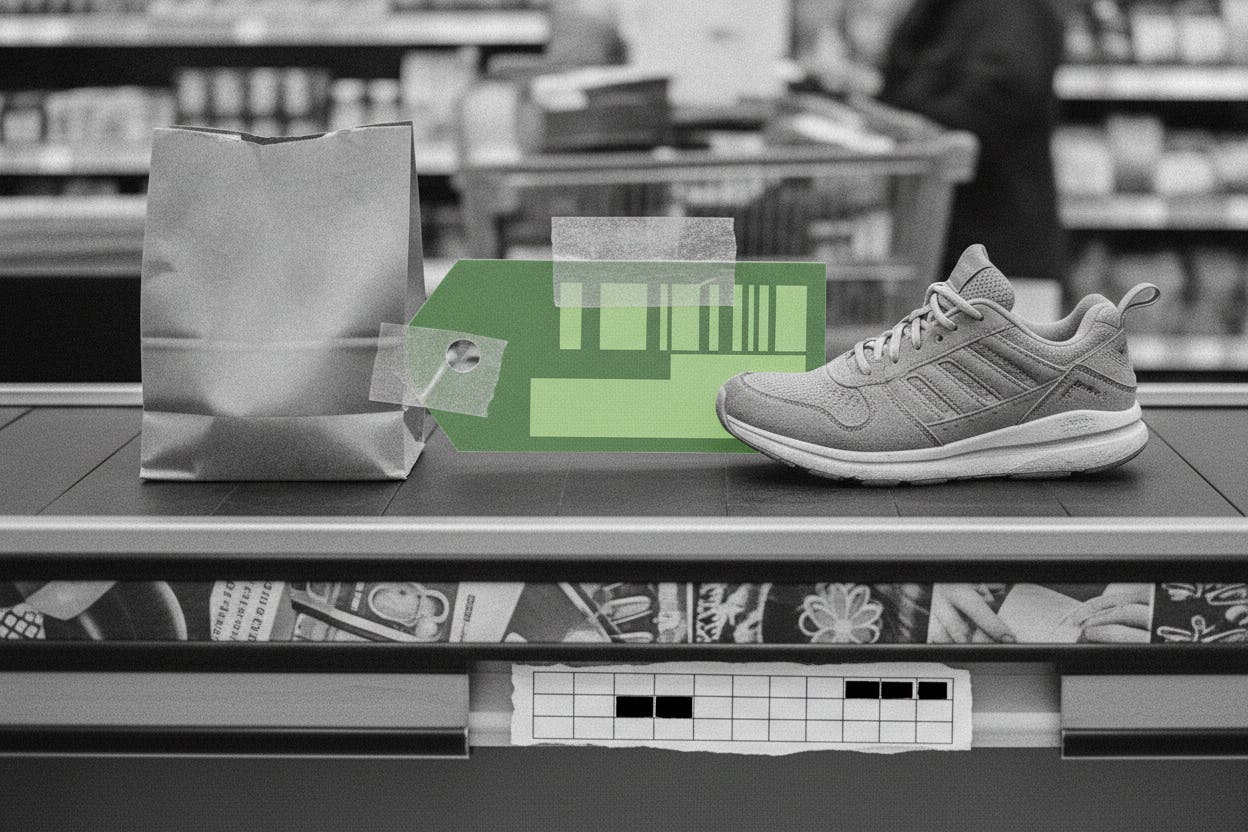
Redbook, a retail research firm that tracks same-store sales at major chains, attributed the weekly jump to "sales tax holidays" in Arkansas, New Mexico, Tennessee, and West Virginia. During these windows, certain items—often back-to-school supplies like clothing, shoes, and electronics—are temporarily exempt from state sales tax.
That time-limited discount lowers the effective price at the register, so families often shift purchases into the holiday window rather than buying more overall. In other words, the boost is partly a timing effect: spending that might have happened later in August gets pulled forward. Still, the fact that shoppers are willing to spend at all is a positive sign for the broader economy, especially as back-to-school sales lift retail.
Sales tax holidays are a common tool used by states to help families with the cost of school supplies, and they typically generate a noticeable bump in retail traffic. For investors, they can be a useful signal of consumer sentiment, but they don't necessarily indicate a lasting change in spending habits.
Big brands split: McDonald's vs. Nike
The Redbook data paints a rosy picture, but the experience of individual companies suggests a more nuanced reality. McDonald's, for instance, has been struggling to win over customers with its value menu. The fast-food giant recently reported that its US same-store sales growth fell short of expectations, as its value push fails to connect with diners who are still feeling the pinch of higher prices.
McDonald's has long been seen as a bellwether for the low- and middle-income consumer, so its weakness is often read as a warning sign. If even the Golden Arches can't get people through the door, it suggests that some households are pulling back on discretionary spending, even for relatively cheap meals.
Nike, on the other hand, is facing a different kind of pressure. The sportswear giant has been working through a period of sluggish demand, and investors remain skeptical about its near-term outlook. While Nike is a premium brand with strong global recognition, it has been dealing with inventory issues and a shift in consumer preferences toward comfort and casual wear. The company's recent results have shown some improvement, but the market is still waiting for a clearer sign that demand is rebounding.
The contrast between the two companies highlights how different segments of the consumer market are behaving. While back-to-school shoppers are opening their wallets for essentials, discretionary purchases like new sneakers or eating out are facing more resistance.
What it means for investors
For everyday investors, the Redbook data is a useful gauge of consumer health, but it's important to look beyond the aggregate. The 8.7% year-over-year gain is encouraging, especially when compared with the modest growth seen in recent months. However, the fact that McDonald's and Nike are struggling suggests that the consumer is not uniformly strong.
Investors should watch how these trends evolve in the coming weeks, particularly as back-to-school season peaks and the holiday shopping season approaches. If sales tax holidays continue to drive spending, that could be a positive sign for retailers like Walmart and Target, which have been seeing strong demand in some categories. But if McDonald's and Nike continue to lag, it may indicate that consumers are becoming more selective about where they spend.
For those with exposure to retail stocks, the key is to focus on companies that are gaining market share or have pricing power, rather than betting on the sector as a whole. The split between McDonald's and Nike is a reminder that even in a healthy economy, not every brand wins.
As always, it's wise to keep an eye on the broader economic backdrop. With inflation cooling but still above the Federal Reserve's target, and interest rates expected to stay elevated for a while, consumer spending will remain a critical driver of corporate earnings. The Redbook data offers a snapshot, but the full picture will only become clear as more companies report quarterly results.