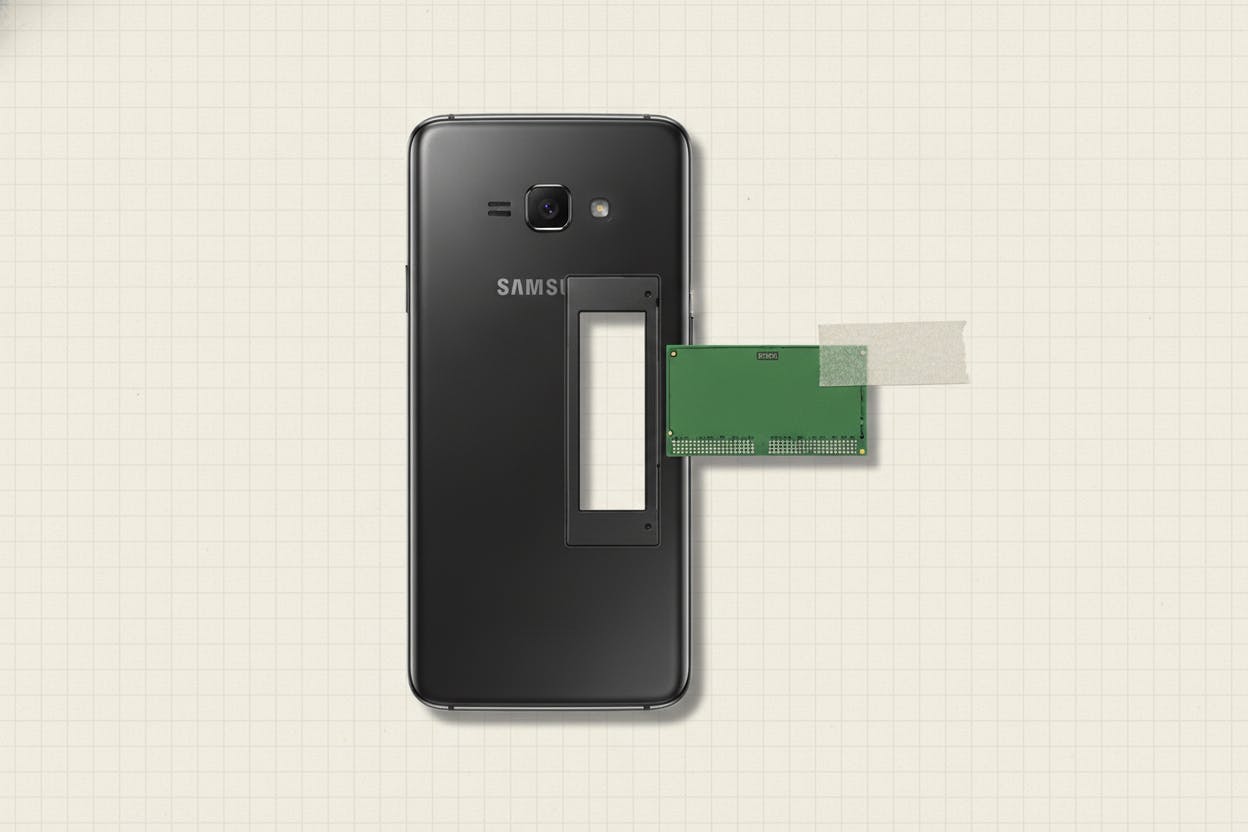
Samsung Electronics is reportedly considering a shift in its supply chain that could have significant implications for its smartphone business in China. According to Asia Time, the South Korean tech giant may use cheaper Chinese mobile DRAM chips in some of the smartphones it sells in the Chinese market, a move aimed at lowering costs and strengthening its position in the country's mid-to-low-end handset segment.
What is mobile DRAM and why does it matter?
Mobile DRAM (dynamic random-access memory) is a type of memory chip that temporarily stores data for active applications on a smartphone. It plays a critical role in how smoothly a phone runs apps, handles multitasking, and manages system performance. For smartphone manufacturers, mobile DRAM represents a meaningful portion of the total component cost, so any reduction in its price can directly impact the bottom line.
By sourcing DRAM from Chinese suppliers, Samsung could potentially lower its production costs for phones destined for the Chinese market. This would give the company a straightforward lever: it could either cut retail prices to better compete with local rivals like Xiaomi, Oppo, and Vivo, or maintain current pricing and improve profit margins on each device sold.
Why China's mid-to-low-end market matters
China's smartphone market is the world's largest, but it has become increasingly competitive and price-sensitive in recent years. While Samsung once dominated the premium segment in China, it has lost significant ground to domestic brands that offer feature-rich devices at lower price points. The mid-to-low-end segment, where margins are thinner but volumes are high, is a battleground where cost efficiency can make or break a product line.
If Samsung can reduce its component costs by using Chinese DRAM, it may be able to offer more competitive pricing without sacrificing profitability. This could help the company claw back market share in a region where it has struggled to maintain relevance. The move also reflects a broader trend of global tech companies increasingly turning to Chinese suppliers for cost-effective components, even as geopolitical tensions around technology supply chains persist.
What it means for investors
For investors, this development is worth watching for several reasons. First, it signals that Samsung is actively seeking ways to protect its margins in a challenging market environment. The company has faced headwinds from rising component costs, slowing global smartphone demand, and intense competition from Chinese rivals. A successful cost-cutting strategy could help stabilize earnings in its mobile division, which is a key profit driver.
Second, the move could have implications for Samsung's relationships with its existing DRAM suppliers, including its own semiconductor division and other major players like SK Hynix and Micron. If Samsung shifts a portion of its DRAM procurement to Chinese suppliers, it could signal a change in the competitive dynamics of the global memory chip market. Investors in memory chip stocks should monitor whether this becomes a broader trend.
Third, the decision highlights the importance of the Chinese market to Samsung's overall smartphone strategy. While the company has focused on premium devices in other regions, China's vast mid-to-low-end market offers volume growth potential. If Samsung can successfully execute this cost-saving measure, it could improve its competitive position without resorting to aggressive price wars that erode margins across the industry.
It is worth noting that this is still a reported consideration, not a confirmed plan. Samsung has not publicly commented on the matter, and the timeline or scale of any potential shift remains unclear. Investors should watch for official announcements or further reports that could provide more concrete details.
Broader context: supply chain shifts and chip competition
The potential use of Chinese DRAM chips by Samsung comes amid a backdrop of heightened competition in the global memory chip market. Chinese DRAM manufacturers, such as CXMT (ChangXin Memory Technologies), have been ramping up production and improving their technology, aiming to capture a larger share of the market. CXMT's recent surge in its Shanghai debut, briefly becoming China's most valuable stock, underscores the growing investor interest in domestic chipmakers. You can read more about that in our article on CXMT's blockbuster IPO.
At the same time, the broader semiconductor industry is navigating a complex landscape of trade restrictions, supply chain diversification, and fluctuating demand. For Samsung, using Chinese DRAM in China-bound phones could be a pragmatic response to local market conditions, but it also carries risks. Quality concerns, potential intellectual property issues, and the possibility of geopolitical backlash are all factors that the company will need to weigh carefully.
For everyday investors, the key takeaway is that Samsung is taking active steps to adapt to a challenging market environment. While no single move will transform the company's fortunes, a series of such cost-saving initiatives could gradually improve its competitive position. As always, it is important to consider the broader context of the company's overall strategy and financial health rather than focusing on any one report.