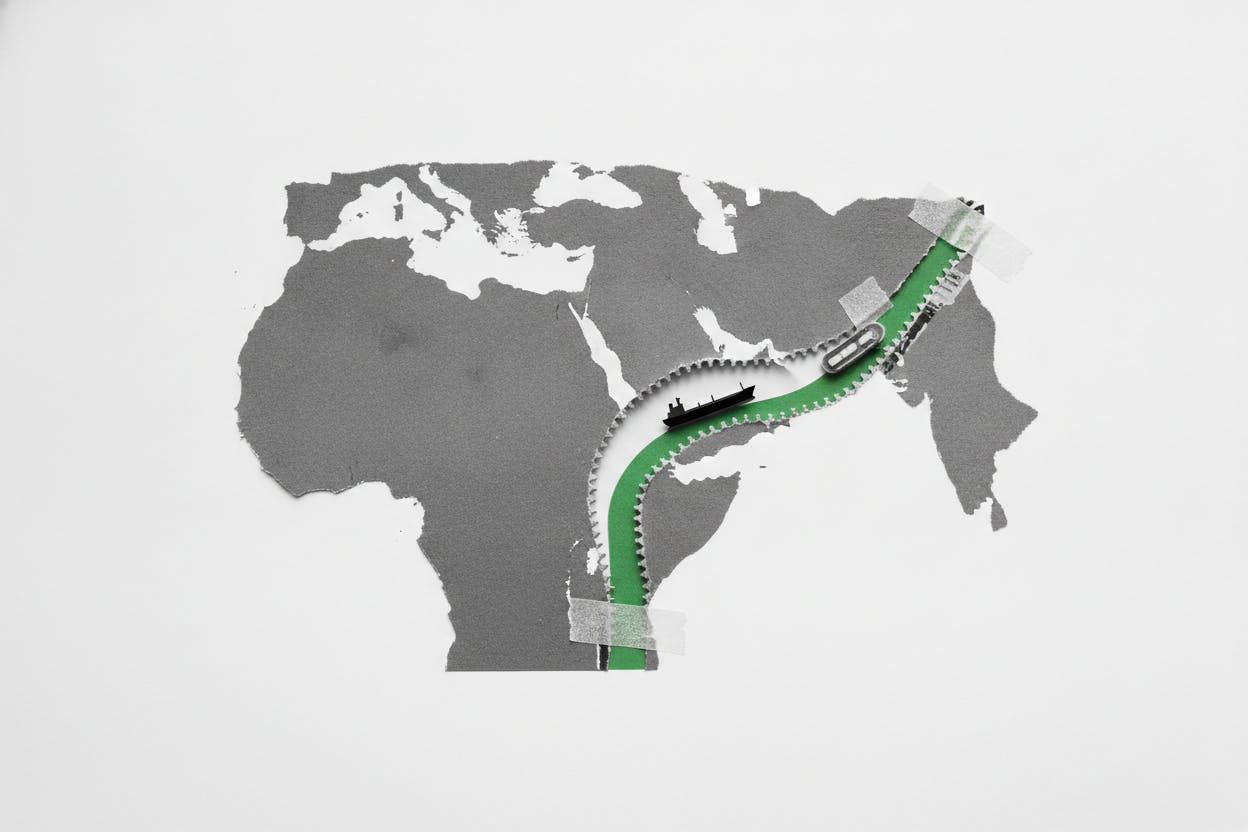
Saudi Arabia's stock market inched higher on Tuesday after President Donald Trump said the United States and Iran were holding "very good discussions" about reopening the Strait of Hormuz, a vital waterway for global oil shipments. The Tadawul All Share Index, the main gauge of Saudi-listed stocks, rose 0.27% on the day.
The comments offered a glimmer of hope that tensions in the region could ease, reducing the risk of disruptions to the flow of crude and liquefied natural gas that pass through the strait every day. For investors, the news was a welcome signal after weeks of heightened anxiety over potential supply shocks.
Why the Strait of Hormuz matters
The Strait of Hormuz is a narrow passage between the Persian Gulf and the Gulf of Oman. Roughly one-fifth of the world's oil consumption moves through it, making it one of the most strategically important chokepoints on the planet. Any significant disruption—whether from military conflict, sabotage, or political standoffs—can quickly send oil prices spiking and ripple through global markets.
For Saudi Arabia, the strait is particularly critical. The kingdom is one of the world's largest oil exporters, and most of its crude shipments leave via this route. Even the threat of closure can raise shipping insurance premiums and force tanker operators to reroute, adding time and cost to every cargo.
When President Trump said the two countries were in "very good discussions" about reopening the waterway, traders interpreted it as a sign that the worst-case scenario—a full closure or military confrontation—might be avoided. That optimism helped lift Saudi shares, which had been under pressure in recent sessions as geopolitical risks weighed on sentiment.
What this means for investors
For everyday investors, the immediate takeaway is that geopolitical headlines can move markets quickly. A single statement from a world leader can shift the outlook for oil prices, shipping costs, and regional stock markets. In this case, the modest gain in the Tadawul index suggests investors are cautiously optimistic but not yet fully convinced that a deal is imminent.
If the talks lead to a concrete agreement, the impact could extend beyond Saudi Arabia. Lower geopolitical risk tends to support risk appetite across emerging markets, including other Gulf bourses and Asian markets that depend on energy imports. In fact, similar hopes have already been reflected in other regions—Shanghai stocks climbed earlier on progress in Hormuz talks, as oil prices slid on the prospect of smoother supply.
On the flip side, if negotiations stall or break down, the market could quickly reverse course. Oil prices would likely jump, and shipping costs would rise, hitting not just energy companies but also airlines, logistics firms, and consumers who feel the pinch at the pump.
Broader market context
The Saudi market's move also comes against a backdrop of mixed global sentiment. While some indices have rallied on ceasefire hopes and strong corporate earnings, others have slipped on concerns about AI spending and lock-up expirations. The FTSE 100 edged up recently as commodity giants like Glencore and Next lifted London stocks, while Singapore shares slipped despite better-than-expected retail sales.
For Saudi investors, the focus remains on how the Hormuz situation evolves. The Tadawul index is heavily weighted toward financials, petrochemicals, and other energy-related sectors, so any change in oil prices or shipping risk tends to have an outsized effect on the market.
Analysts note that even if the strait remains open, the mere fact that talks are happening is a positive sign. It reduces the probability of a sudden, disruptive event, which is often what markets fear most. However, they also caution that discussions can be fragile, and previous rounds of diplomacy have failed to produce lasting agreements.
What to watch next
Investors will be watching for any official statements from Tehran or Washington, as well as updates from shipping and insurance markets. A confirmed reopening of the strait—or a formal agreement—would likely trigger a more pronounced rally in Saudi stocks and could weigh on oil prices globally.
Conversely, any escalation in rhetoric or military activity would quickly erase the gains. For now, the market is pricing in a higher chance of a peaceful resolution, but the situation remains fluid.
For the average investor, the lesson is to stay diversified and not overreact to single headlines. Geopolitical events can create short-term volatility, but long-term returns are driven by fundamentals like earnings, growth, and valuation. Keeping a balanced portfolio that can weather sudden shifts in oil prices or regional tensions is often the most prudent approach.
As the talks continue, the Tadawul index will likely remain sensitive to every twist and turn. But Tuesday's modest gain shows that markets are willing to reward even small signs of progress.