Siemens Healthineers, the German medical technology giant, is set to report its quarterly results on July 31, and analysts at Bank of America are cautioning that inflation may be taking a bigger toll than many investors anticipate. The bank forecasts organic growth of 4.6% but sees margins under pressure, particularly in the company's core Imaging division.
What's Behind the Forecast?
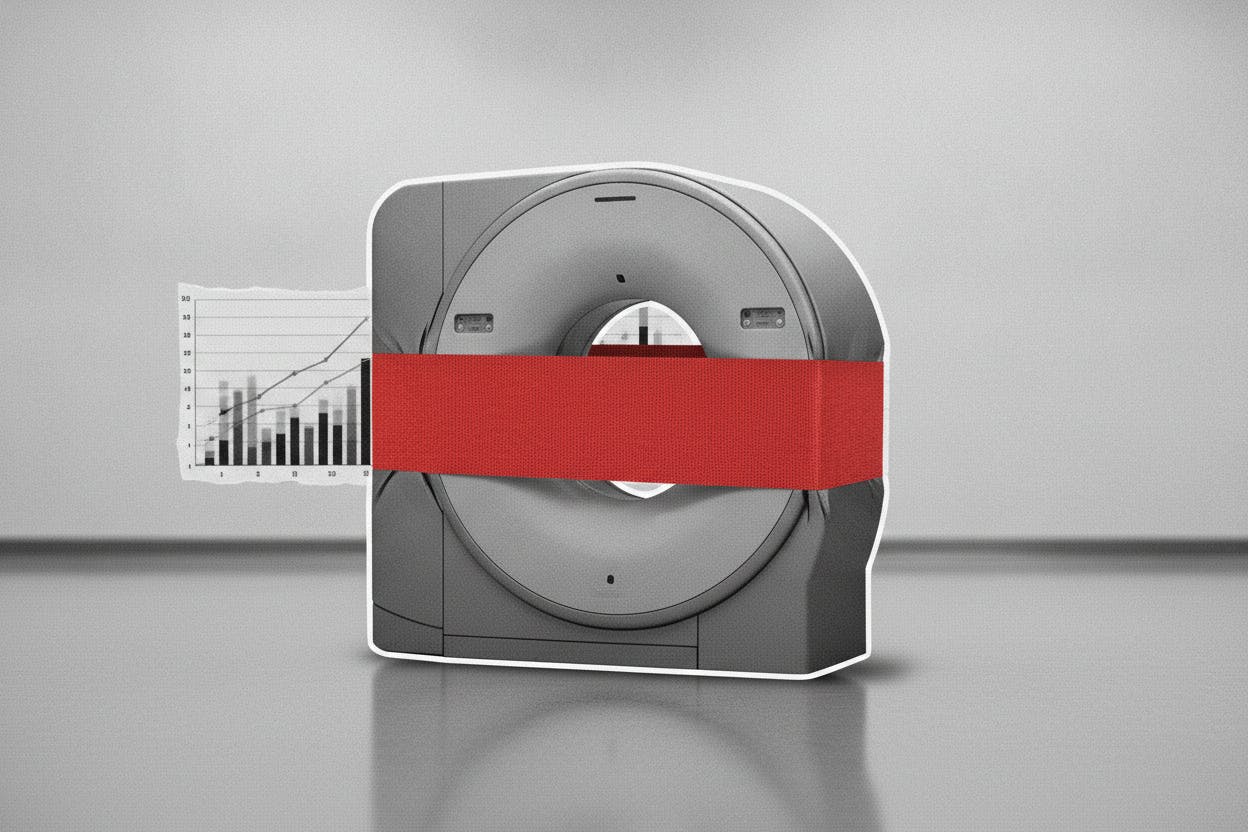
Organic growth — which strips out currency effects and acquisitions — is a key measure of a company's underlying performance. A 4.6% rate is solid, but it may not be enough to offset rising costs. Bank of America believes that inflation is hitting harder in the Imaging segment, which accounts for a large share of Siemens Healthineers' revenue. Imaging includes MRI machines, CT scanners, and X-ray equipment, all of which rely on expensive components and supply chains that are feeling the pinch from higher raw material and energy prices.
The broader economic backdrop adds to the challenge. Central banks around the world, including the Federal Reserve and the European Central Bank, have been raising interest rates to combat inflation. While some regions have seen price pressures ease — for example, Swiss inflation recently slowed to 0.5% — other economies are still grappling with elevated costs. For a global company like Siemens Healthineers, this uneven landscape makes it difficult to pass on higher costs to customers.
Why Imaging Matters
Imaging is the largest and most profitable segment for Siemens Healthineers, contributing roughly half of total revenue. The division sells high-ticket medical devices to hospitals and clinics, which are themselves under budget pressure. If inflation drives up the cost of producing these machines, the company may have to absorb some of that hit rather than raising prices and risking lost sales.
Bank of America's warning echoes a theme seen across the industrial and healthcare sectors: companies with strong pricing power can protect margins, but those facing intense competition or customer pushback may struggle. For Siemens Healthineers, the question is whether its Imaging unit can maintain profitability as input costs rise.
This is not the first time analysts have flagged margin risks in the medical equipment space. Similar concerns have surfaced for other firms, such as Rexel, where pricing power is being tested. The difference here is that Siemens Healthineers operates in a highly regulated industry with long sales cycles, making it harder to adjust prices quickly.
What It Means for Investors
For everyday investors, the key takeaway is that even a well-established company like Siemens Healthineers is not immune to inflation. The 4.6% organic growth forecast is respectable, but if margins shrink, earnings per share could disappoint. Investors will be watching the July 31 report closely for management's comments on cost pressures and pricing strategy.
Another factor to consider is currency. Siemens Healthineers reports in euros but generates significant revenue in U.S. dollars and other currencies. A strong euro can reduce the value of overseas earnings, adding another layer of uncertainty. The bank's forecast likely accounts for some of this, but currency swings can be unpredictable.
In the broader context, the healthcare sector has been seen as a defensive play — a place to park money during economic uncertainty. But this inflation test shows that even defensive stocks face headwinds. Investors may want to compare Siemens Healthineers' performance with peers like GE HealthCare or Philips to gauge whether the margin pressure is company-specific or industry-wide.
Looking Ahead
The July 31 earnings release will be a critical moment. If Siemens Healthineers delivers results in line with Bank of America's expectations, the market may already have priced in the margin squeeze. But if the company reports weaker margins than anticipated, the stock could face selling pressure.
For now, the message from Bank of America is clear: inflation is not done testing corporate margins, and Siemens Healthineers' Imaging division is in the spotlight. Investors should brace for a potentially bumpy ride when the numbers come out.