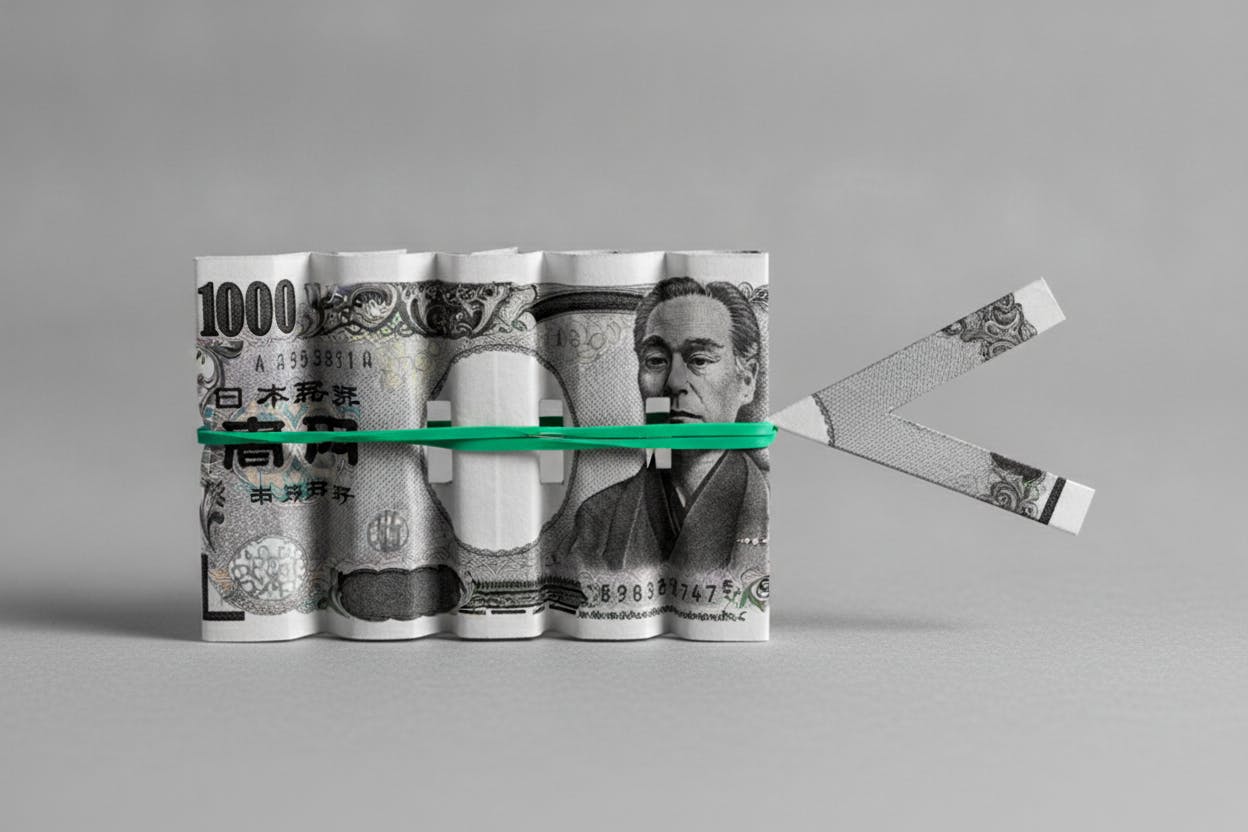
SoftBank Group is preparing to tap Japan's retail bond market for a hefty 1 trillion yen (roughly $6.7 billion) in new debt. The seven-year notes are aimed squarely at individual investors, and the company expects to price them with an annual coupon between 4.30% and 4.90%, according to the company's plans.
This is a significant raise for the Japanese tech conglomerate, which has been working to shore up its balance sheet after a period of heavy investment and market volatility. The bond sale is also a telling sign of the times: Japanese retail investors, long accustomed to rock-bottom interest rates, are now being offered yields that would have been unthinkable just a few years ago.
Why is SoftBank issuing bonds?
SoftBank Group is best known for its Vision Fund, the massive technology investment vehicle that has backed companies like Arm, ByteDance, and a host of startups. The group has a history of using debt to fund its ambitions, and this new bond issue appears to be part of its ongoing effort to refinance existing obligations and maintain financial flexibility.
The company has been through a turbulent period. Its tech-heavy portfolio suffered during the market downturn of 2022, and it has since taken steps to reduce debt and sell assets. A bond sale of this size suggests SoftBank sees an opportunity to lock in funding at a time when investor appetite for yield is strong.
The notes are specifically designed for Japanese retail investors, a group that has become increasingly important to corporate borrowers. With the Bank of Japan slowly moving away from its ultra-loose monetary policy, interest rates in Japan are rising, and ordinary savers are finally seeing meaningful returns on bonds. That has opened a window for companies like SoftBank to raise money directly from households.
What does the coupon range tell us?
The expected coupon range of 4.30% to 4.90% is notably high for a Japanese corporate bond. For context, Japanese government bonds have long yielded near zero, and even now, 10-year government bonds yield only around 1% or so. A retail bond offering a coupon of nearly 5% is a clear sign that SoftBank is willing to pay up to attract individual investors.
That premium reflects both the credit risk of the issuer and the current market environment. SoftBank is a large, well-known company, but it carries a significant debt load and its earnings can be volatile, tied as they are to the fortunes of its tech investments. Retail investors are being compensated for that risk.
It also signals that Japanese retail investors are hungry for yield. With inflation having returned to Japan after decades of deflation, savers are looking for ways to make their money work harder. Corporate bonds, especially those with coupons above 4%, are becoming an attractive option compared to bank deposits, which still pay very little.
What it means for investors
For everyday investors in Japan, this bond sale is a chance to earn a relatively high, fixed income from a major corporate name. But it's not without risk. Bonds are subject to credit risk—if SoftBank were to run into financial trouble, bondholders could face losses. The company's history of big bets and occasional write-downs means that risk is not theoretical.
For investors outside Japan, the sale is a reminder that the global bond market is shifting. As central banks around the world have raised rates to fight inflation, bond yields have climbed, offering income opportunities that were scarce for years. This is part of a broader trend we've seen in other markets, such as data center bond deals and even new types of bonds aimed at specific investor appetites.
The sale also comes at a time when Japanese markets are in focus. The Nikkei has been volatile recently, with SoftBank's own stock often a driver. Investors are also watching the Bank of Japan's next moves on interest rates, as well as global tech trends. For a deeper look at the market backdrop, see our recent coverage of Nikkei's swings and the bond market dynamics in Asia.
The bigger picture
SoftBank's bond issue is a sign that the Japanese retail bond market is alive and well. For years, it was a sleepy corner of finance, but with rates rising, it's becoming a more important source of funding for companies and a more attractive option for savers.
The final coupon will be set based on investor demand, and it could come in anywhere within the indicated range. If demand is strong, SoftBank might price at the lower end; if investors demand more compensation, it could go higher. Either way, the sale is likely to be closely watched by other companies considering similar moves.
For the average investor, the key takeaway is that bonds are back. After a decade of near-zero yields, fixed-income investments are once again offering meaningful returns. But as always, higher yields come with higher risk, and it's important to understand what you're buying. SoftBank's bonds are a corporate credit, not a government guarantee, and they should be evaluated with that in mind.
As the sale progresses, we'll be watching the final pricing and how retail investors respond. It's a good example of how the global shift in interest rates is changing the landscape for both borrowers and savers.



