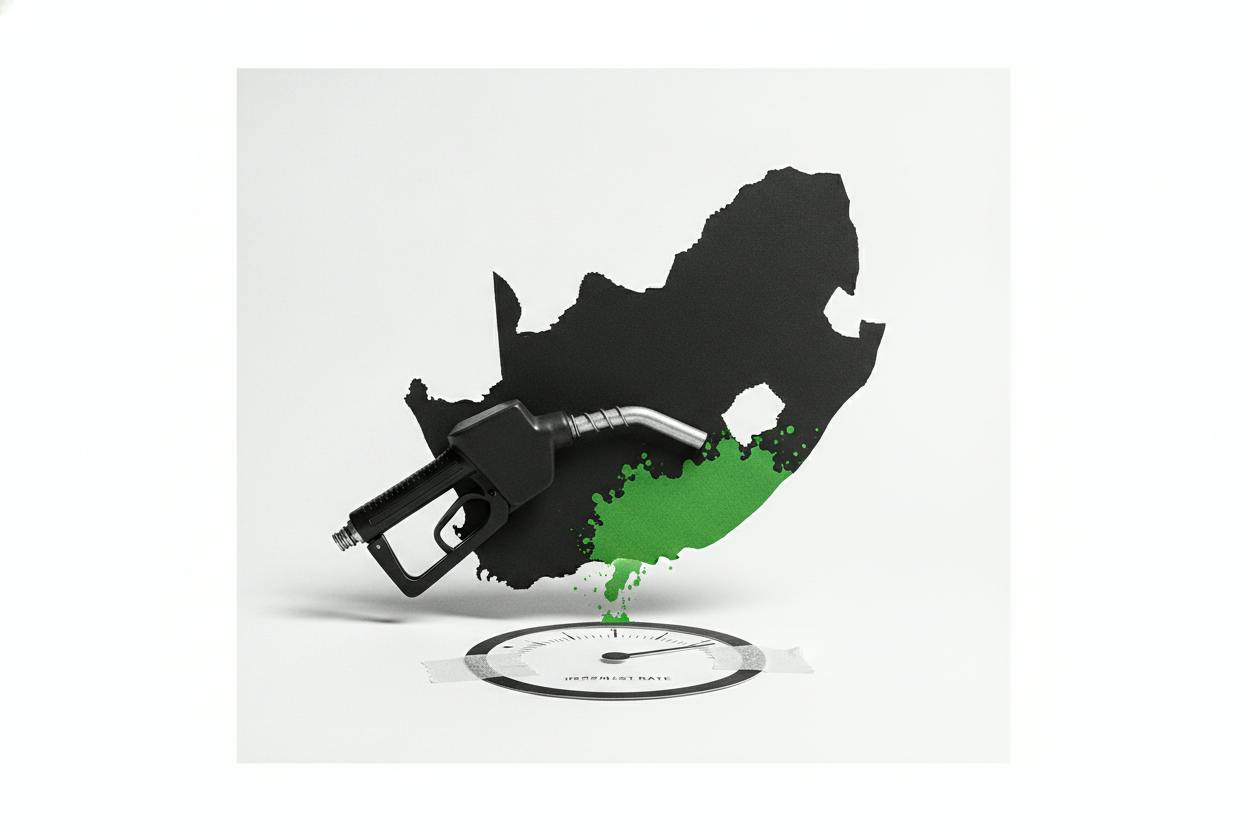
South Africa's annual inflation rate climbed to 5.2% in October, up from 4.5% the previous month, according to the country's statistics agency. The jump was largely driven by higher fuel costs, which pushed transport prices up 15.2% from a year earlier. The reading matched the median forecast in a Reuters poll, so it didn't come as a surprise to markets.
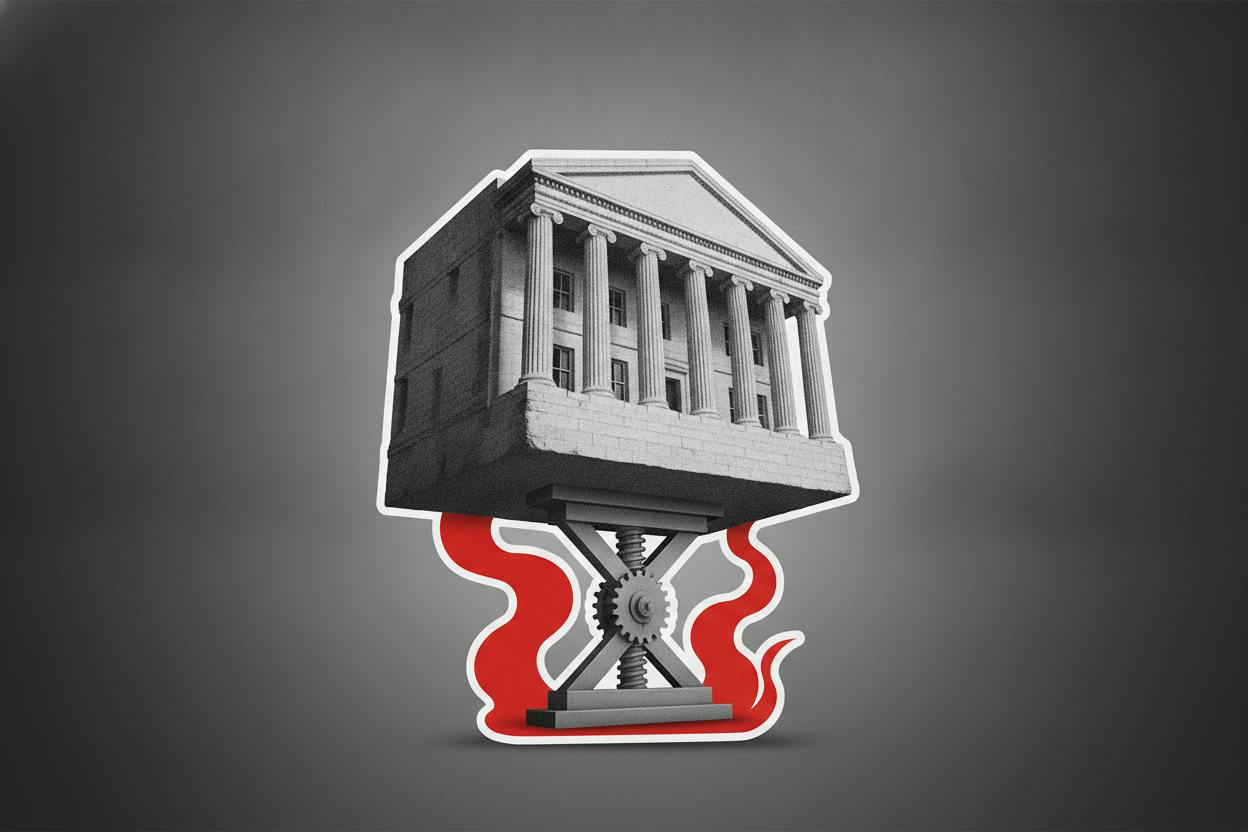
Even with the acceleration, most economists still expect the South African Reserve Bank (SARB) to leave its benchmark interest rate unchanged when it announces its decision on Thursday. The central bank's Monetary Policy Committee (MPC) has been navigating a delicate balance between supporting a sluggish economy and keeping inflation in check.
Why fuel costs matter
South Africa relies heavily on imported energy, and when regulated gasoline prices rise, the impact quickly filters through to everyday costs. Transport costs, which include fuel, were the main culprit behind October's inflation spike. This highlights how external factors, like global oil prices and the exchange rate, can shape domestic price pressures.
The central bank's dilemma is less about the headline number and more about whether the fuel shock spills over into broader pricing. If higher transport costs lead to wage demands and higher prices for other goods and services, that could force the SARB to act more aggressively down the line. This is often referred to as "second-round effects."
Standard Chartered, a global bank, argued that the October print mainly reflects earlier gasoline increases working through the system and may not change policymakers' thinking, especially with oil prices easing recently. That view supports the case for holding rates steady.
However, not everyone is convinced. The Bureau for Economic Research said a hold could still come with a split vote, meaning some MPC members might favor a hike. Nedbank, one of South Africa's largest banks, pointed to rand weakness and food-price pressure linked to the El Niño weather pattern as reasons a 0.25 percentage point hike remains possible.
What it means for investors
For markets, the 5.2% inflation print puts the spotlight on the vote count. Because the number landed exactly where forecasters expected, it's less likely to trigger a big repricing of the interest-rate outlook on its own. What matters now is the tone and voting balance on the MPC. A narrow decision can keep traders focused on second-round effects, which tend to hit the front end of South Africa's rates curve first. That means short-dated government bonds and interest-rate swaps could swing more on each inflation or currency update.
The rand could also be affected. If investors think rates will stay higher for longer, that rate advantage can support the currency. If not, the opposite can happen. For everyday South Africans, the rate decision will influence borrowing costs, from home loans to car financing. A hold would keep those costs stable, while a hike would make them more expensive.
Globally, central banks are facing similar dilemmas. In the UK, inflation has ticked up, keeping the Bank of England on alert, as recent data shows. Meanwhile, other emerging markets are also grappling with currency pressures and imported inflation, as seen in Angola, where the central bank has been cutting rates as inflation hits an eight-year low.
For now, the SARB's decision on Thursday will be closely watched. The key question is whether the MPC sees October's inflation spike as a temporary blip or a sign of deeper pressures. The answer will shape the outlook for South African assets in the coming months.