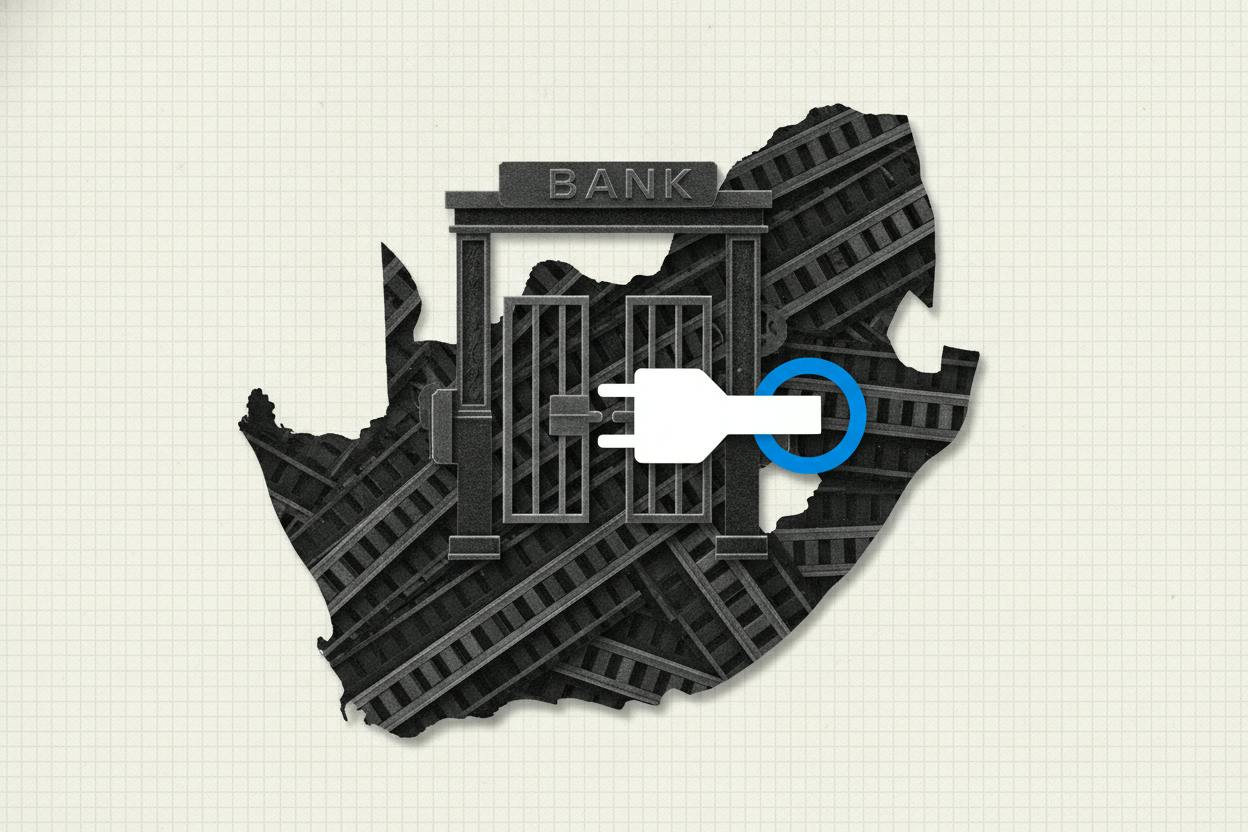
South Africa's central bank has announced a major shift in how payments will work in the country. Starting around March 2027, non-bank companies—including fintechs, telecoms, and even large retailers—will be allowed to connect directly to the national payment system. This ends a long-standing arrangement where banks acted as the gatekeepers for processing digital transactions.
What's changing?
Today, if a fintech app wants to move money between customers, it typically needs a sponsor bank. That bank provides the fintech with access to the clearing and settlement system that underpins all electronic payments in South Africa. This adds layers of cost and delay, and it gives banks significant control over who gets to participate in the payments ecosystem.
The South African Reserve Bank's Payments Ecosystem Modernisation program aims to change that. Under the new framework, licensed non-banks will be able to plug directly into the payment rails, bypassing the need for a sponsor bank. The central bank says it will publish a rulebook by November detailing which payment activities are permitted and which entities may qualify for exemptions. After that, there will be a lengthy testing and systems-integration period before the go-live date in 2027.
Why it matters
This is a significant structural change for South Africa's financial sector. Banks have historically dominated the payments landscape, earning fees from every transaction that flows through their systems. Opening the rails to non-banks is expected to increase competition, potentially lowering costs for consumers and businesses and enabling faster innovation in payments.
For fintechs, the change removes a major barrier to entry. Instead of negotiating with a bank and paying for sponsorship, they could apply directly for a license to access the national system. Telecoms and retailers—many of which already have large customer bases and mobile money ambitions—could also enter the market more easily.
What it means for investors
For everyday investors, the implications are twofold. First, as a consumer, you might see cheaper and more diverse payment options emerge over the next few years. Second, as an investor, you should watch how this affects the competitive dynamics of South African banks and fintech companies.
Banks may see pressure on their payments revenue as new entrants take a slice of the pie. However, they could also benefit from increased overall transaction volumes if the system becomes more efficient. Fintechs and tech-enabled retailers could gain new growth opportunities, but they will also face the costs and regulatory burdens of becoming licensed payment participants.
The move aligns with a broader global trend of opening payment infrastructure to non-banks, seen in markets like the UK and parts of Europe. It also comes as South Africa's financial sector grapples with digital transformation and the rise of mobile money. For context, the country's inflation-linked bond market has been active recently, and investors are watching economic data closely, as noted in Africa's markets watch.
What to watch next
The November rulebook will be the next key milestone. It will clarify which non-banks can apply, what capital and operational requirements they must meet, and how the central bank will supervise them. The long runway to 2027 suggests the authorities want to ensure a smooth transition, but it also means the full impact won't be felt for some time.
Investors should monitor how banks respond—whether they cut fees, improve services, or seek to partner with fintechs rather than compete. Also watch for any announcements from major fintechs or telecoms about their plans to apply for direct access. The development could also influence how other African countries approach payment modernisation, potentially creating regional opportunities.
In the meantime, the South African Reserve Bank's commitment to opening the system is a clear signal that the era of bank-dominated payments is coming to an end. For now, it's a story about the future—but that future is getting closer.