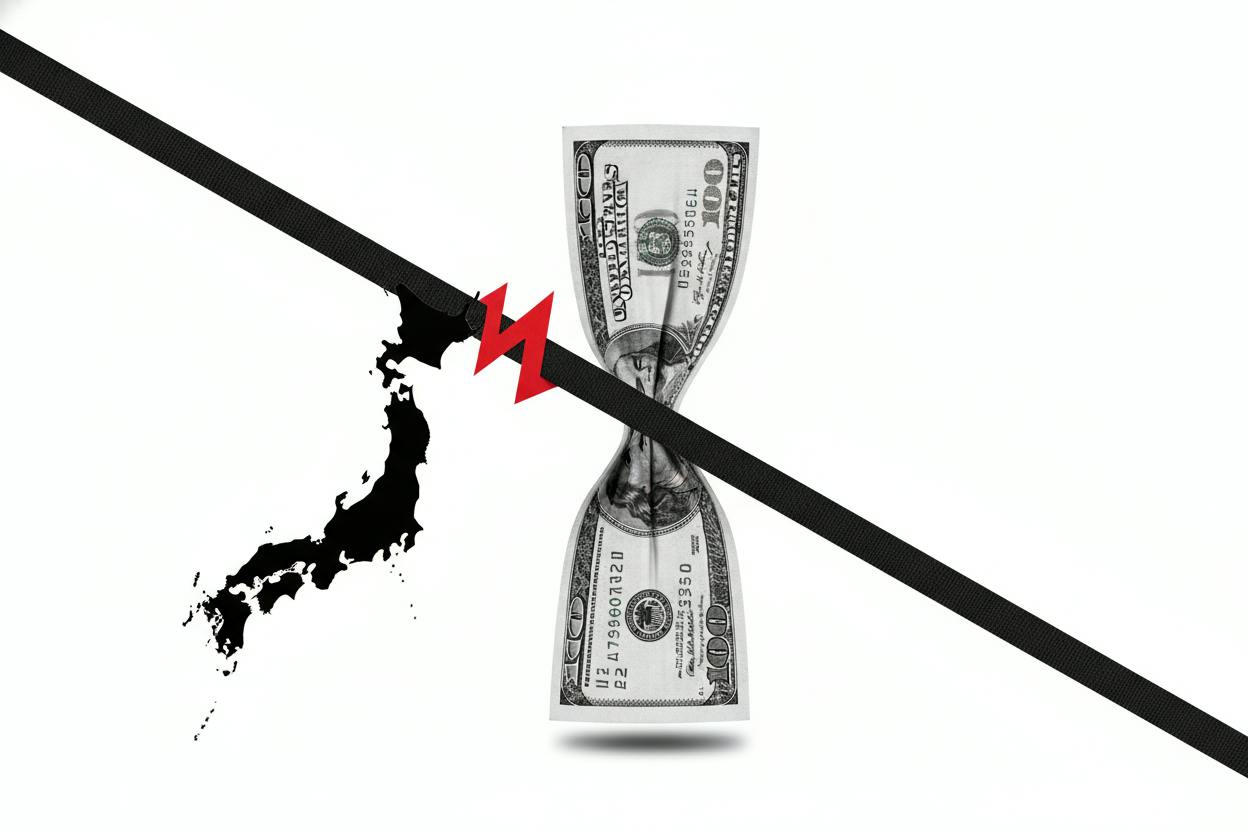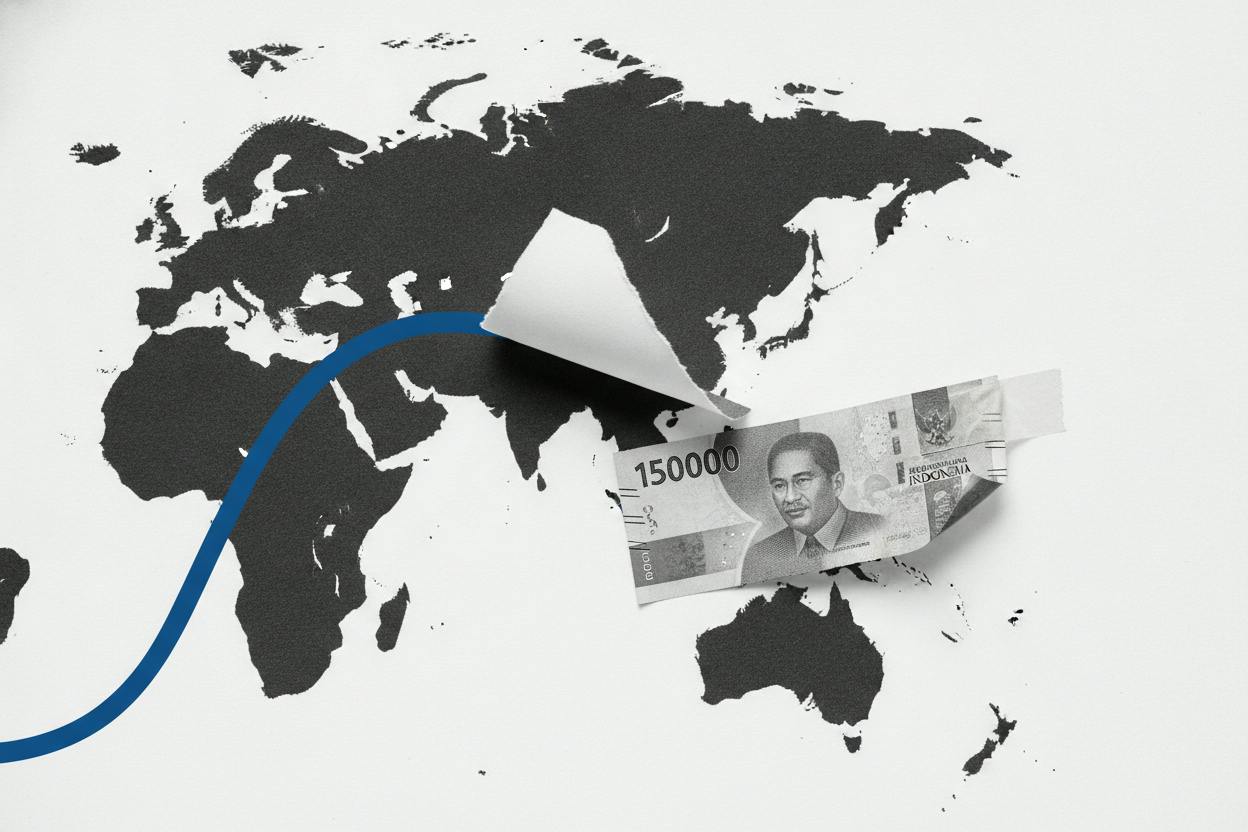
Emerging Asian markets delivered a split-screen picture on Tuesday, with South Korea's benchmark index surging on AI optimism while Indonesian assets stumbled under currency pressure. The KOSPI finished the session 3.1% higher, propelled by a wave of enthusiasm following AI startup Anthropic's filing for an initial public offering (IPO). In contrast, Indonesia's stock market fell more than 3%, and the rupiah hovered near record lows around 18,155 per US dollar.
Anthropic's IPO filing sparks tech rally
Anthropic, one of the most prominent players in the artificial intelligence race, has filed paperwork for a public listing. The news sent ripples through global tech markets, with South Korea's heavily tech-weighted KOSPI among the biggest beneficiaries. The index is dominated by semiconductor giants like Samsung Electronics and SK Hynix, whose fortunes are closely tied to the AI boom. As Tokyo chip stocks also rallied, the pattern was clear: investors are betting that an Anthropic IPO will funnel more capital into AI infrastructure and chip demand.
The filing also revealed details about Anthropic's financials, including soaring revenue alongside mounting losses—a familiar story for high-growth tech companies. For investors, the IPO represents a rare chance to gain direct exposure to a leading AI lab, and the anticipation is lifting sentiment across the sector. In South Korea, where tech stocks carry outsized weight in the index, the optimism translated into broad gains.
Indonesia's struggles: currency and stocks under pressure
While South Korea celebrated, Indonesia faced a starkly different reality. The Jakarta Composite Index tumbled more than 3%, and the rupiah weakened to around 18,155 per US dollar, hovering near record lows. The currency's slide is a familiar headache for emerging markets: when the dollar strengthens or global risk appetite fades, currencies like the rupiah often bear the brunt.
A weaker currency can be a double-edged sword. On one hand, it makes a country's exports cheaper and more competitive. On the other, it raises the cost of imported goods and servicing foreign debt, which can fuel inflation and prompt central banks to hike interest rates—moves that can weigh on economic growth and corporate profits. For Indonesian investors, the falling rupiah is a clear warning sign, and the stock market's sharp drop reflects those concerns.
The divergence between South Korea and Indonesia underscores how different factors drive emerging markets. While South Korea is riding the AI wave, Indonesia is grappling with currency depreciation and its knock-on effects. As other Asian markets also reacted to the IPO news, the regional picture remained mixed.
What it means for investors
For everyday investors, the KOSPI's jump is a reminder of how powerful sentiment can be in tech-driven markets. When a major AI company files for an IPO, it can lift the entire sector, even in countries far from the company's headquarters. South Korean chipmakers, which supply the hardware that powers AI models, are particularly sensitive to such news. If you hold funds or ETFs that track the KOSPI or global tech stocks, you may see short-term volatility as the IPO story develops.
However, it's important to keep perspective. IPO filings are just the first step in a long process, and the actual listing may not happen for months. Moreover, Anthropic's S-1 filing offers key takeaways for those eyeing the potential $2 trillion IPO market, but it also highlights the risks: the company is burning through cash even as revenue grows. Investors should be cautious about chasing hype, especially in a sector known for boom-and-bust cycles.
For Indonesia, the situation is more concerning. A currency near record lows can erode returns for foreign investors and signal deeper economic challenges. If you have exposure to Indonesian stocks or bonds, it's worth monitoring the rupiah's trajectory and any policy responses from the central bank. In emerging markets, currency weakness often precedes further market turbulence.
Ultimately, Tuesday's moves illustrate that global markets are increasingly interconnected. A single IPO filing in the US can lift markets in Seoul, while currency pressures in Jakarta can drag down local stocks. For investors, staying diversified across regions and sectors remains a prudent strategy, as the fortunes of individual markets can diverge sharply.