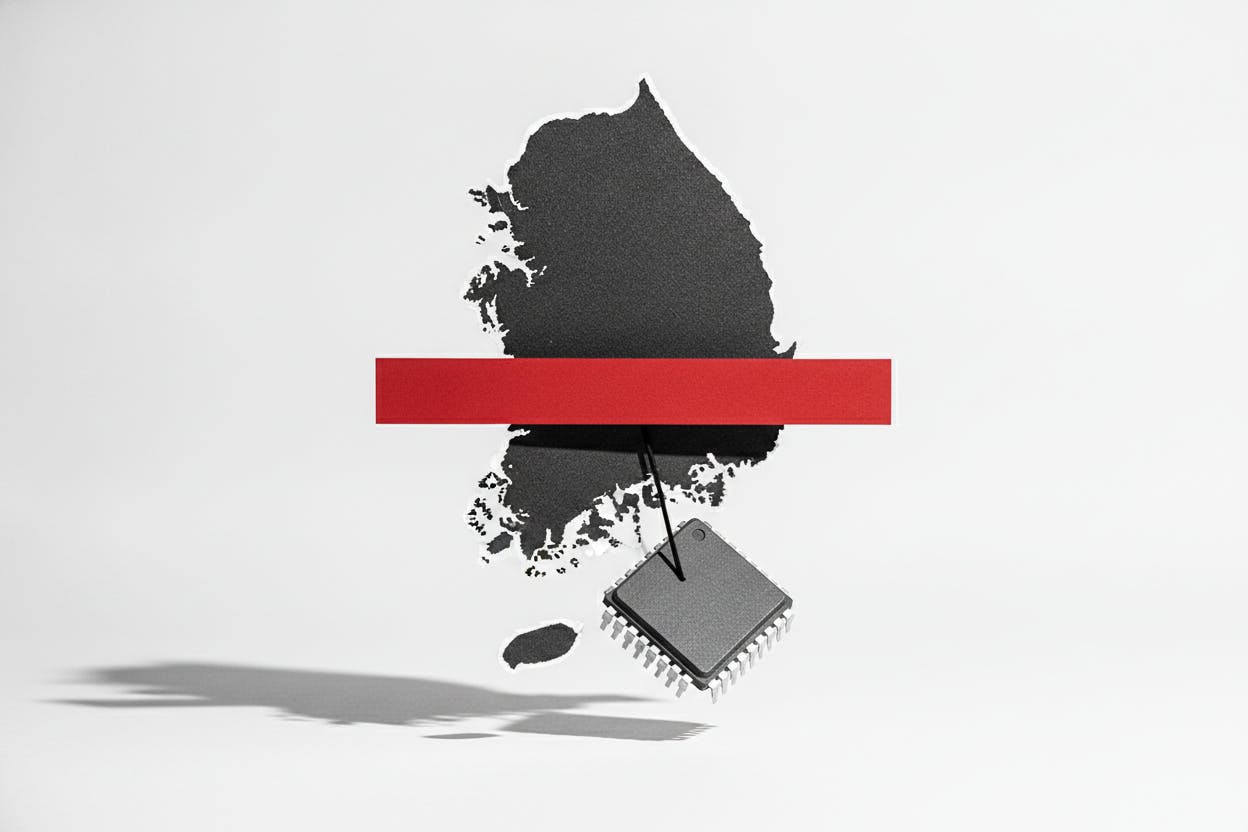
South Korea's benchmark KOSPI index suffered a sharp selloff on [day] as a steep decline in the country's two largest semiconductor stocks — SK Hynix and Samsung Electronics — triggered temporary trading curbs known as "sidecar" mechanisms. The drop came as investors reassessed the competitive landscape for memory chips amid rising pressure from Chinese rivals.
SK Hynix fell roughly 10% on the day, while Samsung Electronics slid about 9.15%, according to market data. Because the two companies together account for more than half of the KOSPI's weighting, their combined slump dragged the broader index down sharply. The moves were large enough to activate sidecar curbs on both the KOSPI and the junior KOSDAQ market, which briefly paused automated program trading to allow markets to stabilize.
What are sidecar curbs?
Sidecar curbs are a type of circuit breaker used in South Korean markets. They kick in when the futures market moves more than a certain percentage from the previous day's close, triggering a five-minute halt in program trading on the cash market. The idea is to give human traders a chance to reassess and prevent panic-driven selling from algorithms. They are relatively rare and signal that volatility has reached an elevated level.
The trigger for this week's selloff appears to be growing concern about competition from Chinese memory chip makers, particularly CXMT (ChangXin Memory Technologies). The company recently saw its shares surge 535% on its Shanghai debut, a move that underscored the rapid progress Chinese firms are making in the memory chip space. For context, CXMT's explosive listing highlighted the threat to established players like Samsung and SK Hynix, which have long dominated the market for DRAM and NAND flash memory.
Investors are also watching broader trends in the semiconductor industry. The sector has been a key driver of global equity markets, particularly in Asia, but it is also highly cyclical and sensitive to shifts in supply and demand. Recent weakness in AI-related stocks — including names like Nvidia — has added to the cautious mood. Biotech and AI stocks have tumbled in recent sessions, reflecting a broader risk-off tone across tech-heavy markets.
What it means for investors
For everyday investors, the KOSPI's slide is a reminder of how concentrated some stock markets can be. When a handful of mega-cap stocks dominate an index, their fortunes can swing the entire market. In South Korea's case, the outsized influence of Samsung and SK Hynix means that any negative news about the chip industry can quickly translate into a broad market decline.
The emergence of Chinese competition is not new, but it is accelerating. Chinese memory chip makers have been ramping up production and improving their technology, partly with government support. If they succeed in capturing market share, it could squeeze margins for Korean giants and reduce their pricing power. That is a risk that investors are now pricing in more aggressively.
On the other hand, the sidecar curbs themselves are a sign that markets are functioning as designed. They are not a signal to panic, but rather a mechanism to prevent disorderly trading. For long-term investors, sharp selloffs can sometimes create opportunities, though it is important to remember that no one can predict short-term market moves.
The broader backdrop also includes other crosscurrents. Oil prices have been volatile, with crude oil recently plunging 7.5%, which has rattled energy markets and added to uncertainty ahead of central bank decisions. Meanwhile, European markets have been flat, with ASML sliding on China chip tool news, showing that the semiconductor anxiety is not confined to South Korea.
Investors will be watching for any further developments from Chinese chip makers, as well as earnings reports from Samsung and SK Hynix in the coming weeks. Any commentary on demand trends or competitive pressures could move markets further. For now, the message is clear: the memory chip landscape is getting more crowded, and that is weighing on Korea's market heavyweights.