Soybean futures ticked higher in Chicago early Thursday as traders positioned ahead of the US Department of Agriculture's monthly crush report, due later in the day. Analysts expect the data to show that August soybean processing fell to an 11-month low, a reading that could ripple through the markets for soybean meal and oil.
Futures were trading cautiously near $12.94-1/2 a bushel, with the market's focus squarely on the crush number. Corn and wheat also nudged up after steep monthly drops, but the bigger driver for soybeans is what the crush data says about demand from processors versus what's coming out of fields as harvest ramps up.
What is the crush and why does it matter?
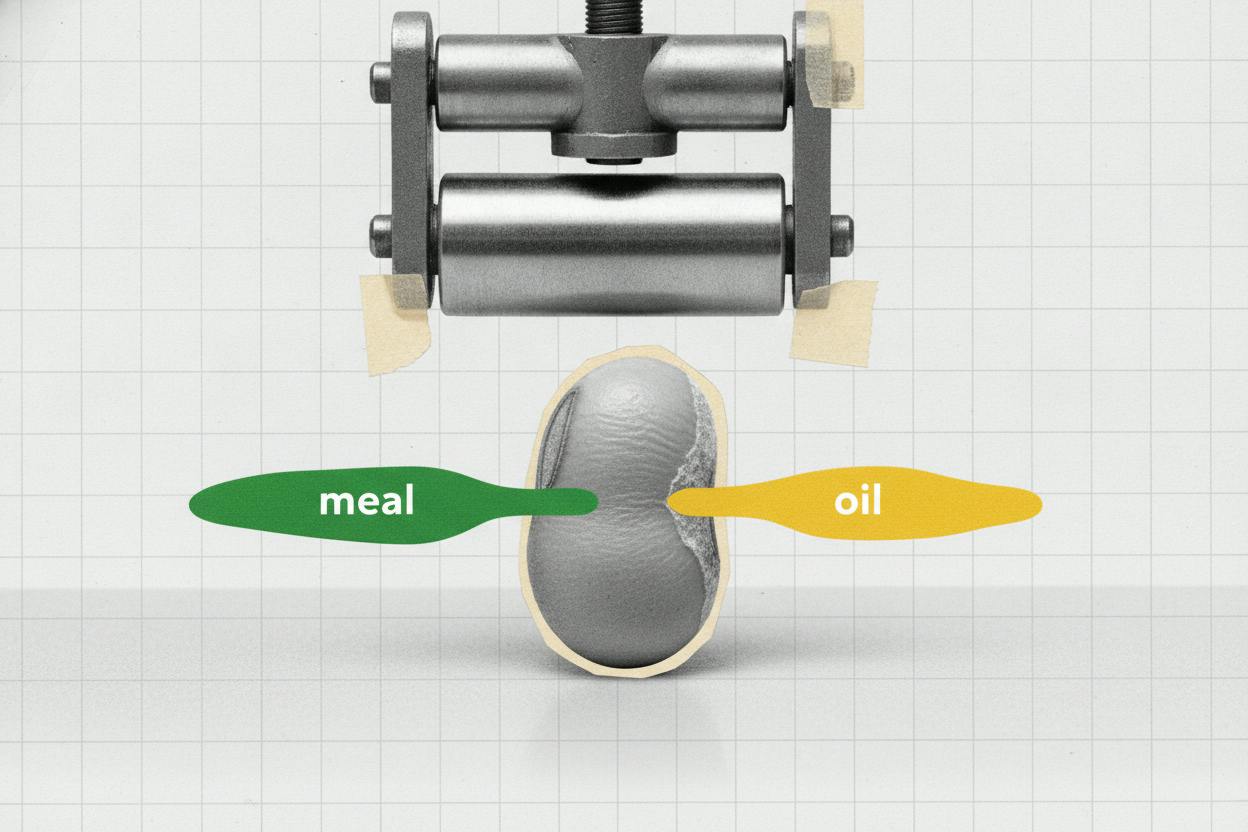
The "crush" refers to the process of turning raw soybeans into two key products: soybean meal, which is used as animal feed, and soybean oil, which goes into food products and biodiesel. The monthly crush figure from the USDA is essentially a snapshot of how much of these products US processors produced in a given month.
Analysts expect August crush to land around 6.317 million short tons, or 210.5 million bushels. That would mark an 11-month low, suggesting that processors slowed their pace of buying and processing beans. A weaker-than-expected reading would hint at less near-term production of meal and oil, while a stronger number would suggest plants kept running hard and product supplies are less tight than feared.
What a surprise could mean for prices
The monthly crush figure is more than just a "bean demand" datapoint—it's a supply clue for the products that come out of the crush. If the USDA number comes in below the 6.317 million short-ton expectation, traders typically mark down near-term output of meal and oil. That can lift meal and oil prices relative to raw beans, and widen or narrow the "crush margin"—the value of the products minus the cost of the soybeans.
Conversely, if the crush comes in higher than expected, it can ease product-supply worries and shift pricing power back toward soybeans. That's why surprises often show up first in spreads across the soy complex, especially in the nearest contracts.
Broader market context
The soybean market is also watching the broader agricultural complex. Corn and wheat have both been under pressure recently, with steep monthly losses, and Thursday's modest gains suggest some bargain hunting or short covering. But for soybeans, the crush data is the key near-term catalyst.
Harvest is ramping up across the US, which typically brings a seasonal increase in soybean supplies. That can weigh on prices, but strong crush demand can offset some of that pressure. The USDA report will give investors a clearer picture of whether processors are keeping up with demand or pulling back.
What it means for investors
For everyday investors, the crush report is a reminder that commodity prices are driven by supply and demand fundamentals, not just headlines. A miss on the crush number could support meal and oil prices, which might benefit companies in the food and biofuel sectors. A beat could ease supply concerns and put downward pressure on those products.
Investors with exposure to agricultural commodities or related ETFs should watch how the market reacts to the data. The crush margin—the difference between the value of the products and the cost of the beans—is a key profitability indicator for processors like Archer-Daniels-Midland and Bunge. A wider margin typically means better profits for those companies, while a narrower margin can squeeze them.
As always, it's important to remember that commodity markets can be volatile, and single reports can cause sharp moves. But for those looking to understand the forces shaping food prices and agricultural stocks, the USDA's monthly crush update is a useful piece of the puzzle.