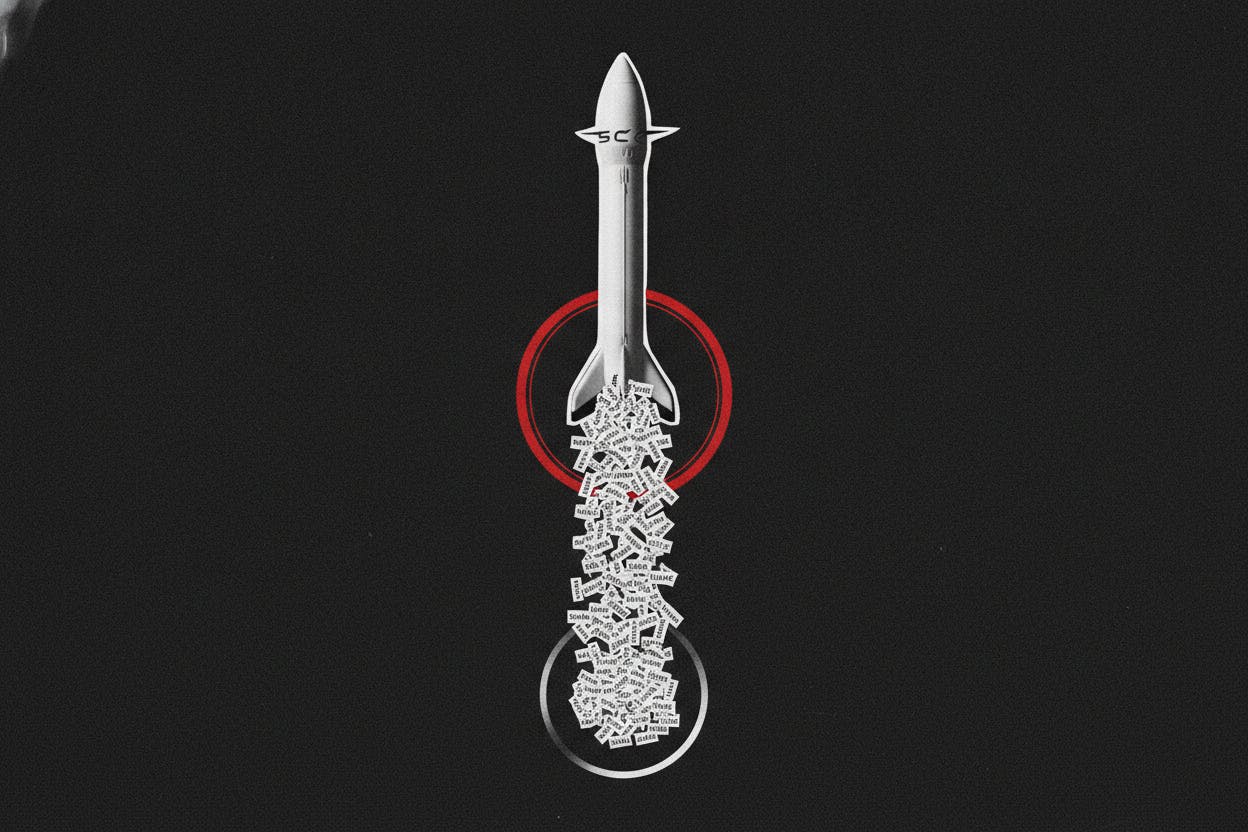
SpaceX faces a key test Thursday as its first post-IPO lockup period expires, allowing up to 912 million insider shares to be sold on the open market. The event comes at a delicate time: the stock has already fallen 49% from its June high, and investors are watching closely to see whether early backers and employees decide to cash out.
What is a lockup and why does it matter?
A lockup is a standard feature of most initial public offerings. It's a waiting period, typically 90 to 180 days, during which company insiders—founders, early investors, and employees with stock options—are barred from selling their shares. The purpose is to prevent a sudden flood of supply from overwhelming the market right after the IPO, which could crush the stock price.
Once the lockup expires, those restrictions lift, and insiders are free to sell. That doesn't mean they all will, but the mere possibility of a large number of shares hitting the market can weigh on sentiment. For SpaceX, the numbers are enormous: 912 million shares becoming eligible in one day is a significant chunk of the company's outstanding stock.
SpaceX's unusual lockup schedule
What makes SpaceX's situation different from the typical IPO is the way the lockup is structured. According to Reuters, the company's plan staggers the release of shares over nearly a year, rather than unlocking everything at once. Another 12.9 billion shares are scheduled to become eligible for sale by mid-next year.
This staggered approach is designed to smooth out the potential selling pressure. Instead of one massive wave of insider selling, the market will see a series of smaller releases. That can be less disruptive, but it also means the overhang of potential supply will linger for months.
The timing is also notable. SpaceX's stock has already dropped sharply from its June peak, a decline of 49%. That slide may reflect broader market conditions, concerns about the company's valuation, or profit-taking after a strong run. Whatever the cause, a lower price could make some insiders less eager to sell, but it could also prompt others to lock in gains while they still can.
What to watch
Investors will be watching several things on Thursday and in the days that follow. First, the volume of trading: a sudden spike in shares traded could signal that insiders are indeed selling. Second, the stock's reaction: if the price holds up despite the unlock, that's a sign the market is absorbing the supply. If it drops sharply, it could indicate that selling pressure is winning.
It's also worth remembering that not all insiders sell immediately. Many will hold onto their shares if they believe in the company's long-term prospects. SpaceX's first earnings report, which showed strong Starlink growth and heavy AI spending, suggests the business is expanding, but investors are also eyeing the lock-up overhang. The company's revenue jumped 92% in its first earnings release, yet the focus remains on how the share supply will be absorbed.
What it means for everyday investors
For ordinary investors, the lockup expiry is a reminder that IPOs come with hidden risks. The initial pop or drop on day one is just the beginning. Months later, when insiders are allowed to sell, the stock can face renewed pressure. That's why it's important to look beyond the hype and consider the full timeline of a new listing.
If you own SpaceX shares—or are thinking about buying them—this event is a key moment to watch. A large sell-off could create a buying opportunity, but it could also signal that those closest to the company are less confident about the future. There's no right answer, but understanding the mechanics of lockups can help you make more informed decisions.
For those who don't own SpaceX, the story is still relevant. It's a case study in how market structure and insider behavior can move a stock, and it echoes themes seen in other high-profile IPOs. The broader market is also watching, as a sharp decline in a major tech name can ripple through sentiment. Relatedly, SpaceX's first earnings showed Starlink's strength and AI spending, which gives context to the current valuation.
In the coming months, as more shares become eligible, the pressure may continue. But the staggered release means the market won't face a single cliff. Instead, it will be a gradual test of investor appetite. How SpaceX navigates this period will be a telling sign of its maturity as a public company.