Star Entertainment Group, one of Australia's largest casino operators, reported a narrower loss for its fiscal fourth quarter, but the improvement came with a stark warning: the company's survival is not yet assured.
The Sydney-based firm posted an earnings before interest, taxes, depreciation, and amortisation (EBITDA) loss of AU$8 million for the three months ended June 30, a significant improvement from the AU$27 million EBITDA loss in the same period a year earlier. Revenue slipped slightly to AU$265 million from AU$270 million, reflecting a mixed performance across its properties.
What drove the improvement?
Star credited steadier trading at its flagship Sydney casino and hotel, though activity there remains well below historical levels. The company also saw stronger volumes on the Gold Coast and benefited from a lower operator fee at its Brisbane property. These factors helped narrow the EBITDA loss despite the overall revenue dip.
The company ended June with AU$267 million in cash on hand, providing a cushion as it navigates regulatory and financial challenges. However, that cash position alone does not guarantee the company can continue as a going concern—a term that means a business has the resources to keep operating for the foreseeable future.
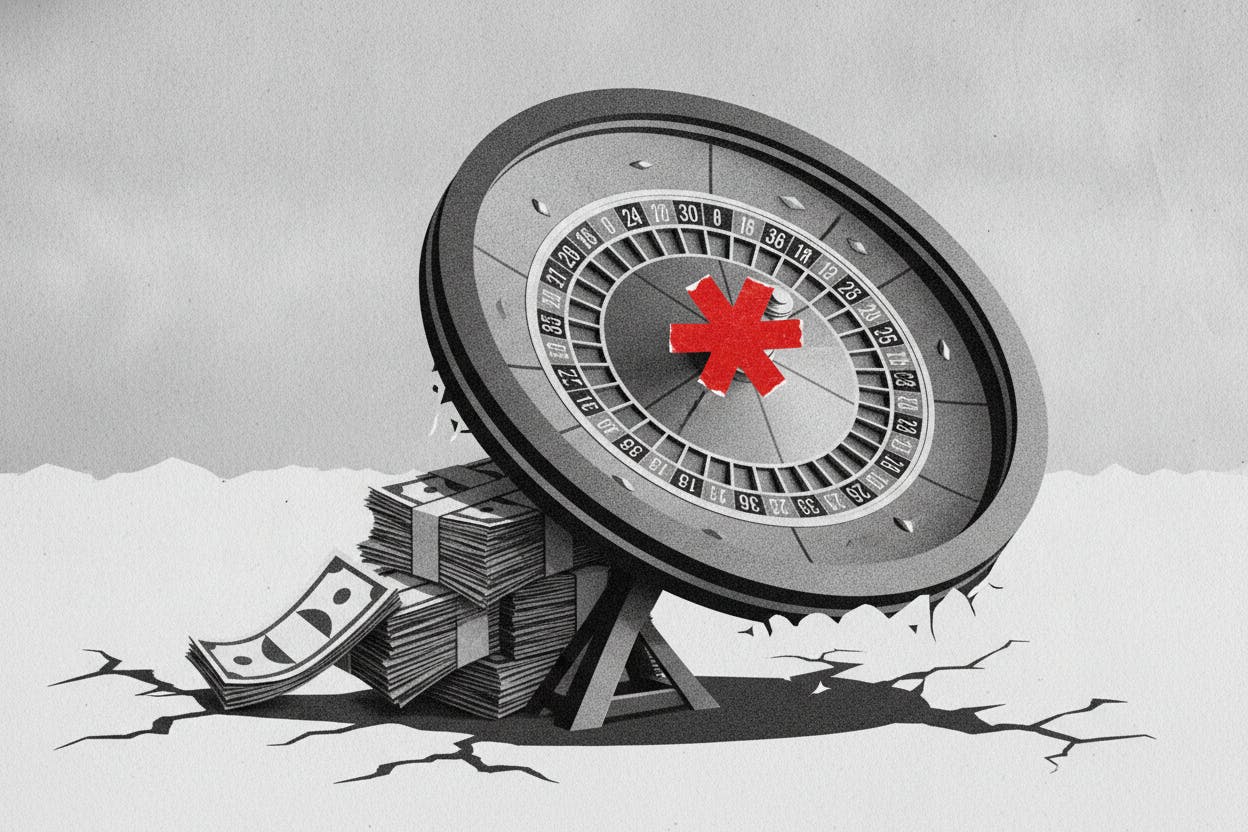
The asterisks on the future
In its July 24 filing, Star reiterated that its ability to continue operating depends on a “limited number of material uncertainties.” These include ongoing regulatory reviews, potential fines or license conditions, and the company's ability to refinance debt or raise additional capital. The warning is a standard but serious disclosure that auditors and management must make when there is significant doubt about a company's survival.
Star has been under intense scrutiny since 2022, when investigations found it had failed to prevent money laundering and had links to organized crime. The company has since been working to overhaul its compliance systems and rebuild trust with regulators in New South Wales and Queensland. The outcome of those efforts will be critical to its future.
For context, casino operators in Australia face some of the strictest anti-money laundering regulations in the world. A license suspension or revocation would effectively shut down a property, making regulatory risk the single biggest factor for Star's investors to watch.
What it means for investors
For everyday investors, Star's narrowing loss is a positive sign that cost-cutting and operational improvements are taking effect. The AU$267 million cash balance provides a buffer, but it is not infinite. The company is burning cash each quarter, and the EBITDA loss—though smaller—still represents a drain on resources.
The key unknowns are regulatory. If Star can satisfy authorities and avoid major penalties, the business may stabilize and eventually return to profitability. If not, the company could face license challenges or fines that deplete its cash reserves. Investors should also watch for any news on debt refinancing, as the company's borrowing costs and access to credit will affect its ability to fund operations.
Star's situation is a reminder that even when a company shows improvement, the underlying risks can remain significant. For those holding the stock, the next few quarters will be crucial in determining whether the turnaround is sustainable or whether the uncertainties will prove too large to overcome.
In the broader market, casino stocks are often sensitive to consumer spending trends and tourism flows. Star's performance also reflects the recovery in Australian tourism, which has been uneven since the pandemic. The company's Gold Coast and Brisbane properties benefit from domestic travel, while Sydney relies more on international visitors and high-rollers.
As Star works through its challenges, investors will be watching for updates on regulatory decisions, any capital raising plans, and quarterly cash flow trends. The company's ability to generate positive EBITDA consistently will be a key milestone to watch.