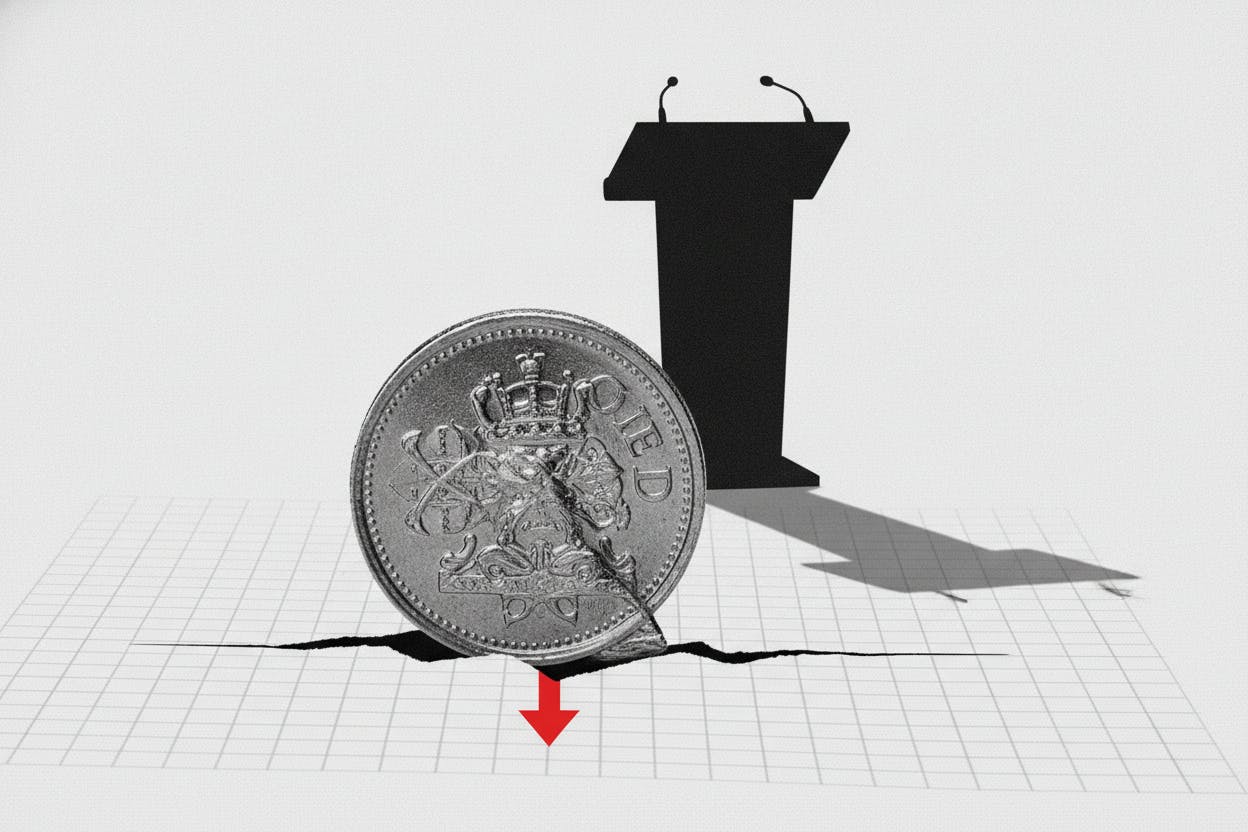
The British pound slipped against both the US dollar and the euro on Tuesday as traders scaled back their expectations for further interest rate increases from the Bank of England. The move comes as investors shift their attention to the Federal Reserve's Jackson Hole symposium and the UK government's upcoming fiscal plans.
What's driving the pound lower?
According to LSEG data, money markets are now pricing in just 24.7 basis points of tightening by December — meaning less than a full quarter-point rate hike. That's a notable shift from earlier in the year when traders had priced in multiple increases. The two-year UK government bond yield, which is sensitive to interest rate expectations, slipped to around 4.36%, reflecting the reduced appetite for rate hikes.
The pound fell to $1.3578 against the dollar and to 85.75 pence per euro, according to Reuters. The link is straightforward: when traders expect fewer UK rate increases, the 'extra interest' that UK assets offer relative to other countries narrows, making the pound less attractive to international investors.
Why are rate hike bets being dialed back?
The Bank of England has been on a tightening path for over a year, raising rates to combat stubbornly high inflation. However, recent economic data has shown signs of cooling, and policymakers have hinted that they may be nearing the end of their hiking cycle. The market's reduced expectations suggest that investors believe the central bank will hold off on further moves, or at least proceed more cautiously.
Attention is now turning to Jackson Hole, Wyoming, where central bankers from around the world gather each August for an annual symposium. While the event is hosted by the Federal Reserve, comments from other central bank officials, including the Bank of England's governor, are closely watched for clues about future policy. Investors will be listening for any signals about the pace of rate changes in the coming months.
Also on the radar are the UK's fiscal plans. The government is expected to outline its spending and tax proposals in the autumn, and any signs of looser fiscal policy could complicate the Bank of England's fight against inflation. If the government stimulates the economy through spending, the central bank might need to keep rates higher for longer to offset the inflationary impact.
What it means for investors
For everyday investors, a weaker pound has mixed implications. On the one hand, it can boost the earnings of UK companies that generate revenue overseas, as those foreign earnings translate into more pounds. On the other hand, it makes imports more expensive, which can feed into inflation and squeeze household budgets.
For those with international investments, a softer pound means that returns from foreign assets, when converted back to sterling, are worth less. Conversely, UK investors holding overseas stocks or funds may see a currency boost to their returns.
The move in bond yields is also relevant. Lower yields mean that the income from UK government bonds, often seen as a safe haven, is less attractive. This could push some investors toward riskier assets, but it also reflects a market that is becoming more confident that inflation is under control.
As always, the key is to stay diversified and not make hasty decisions based on short-term currency moves. The Jackson Hole symposium and the UK's fiscal announcements are likely to provide more clarity in the coming weeks, and investors will be watching closely for any shifts in the central bank's stance.
For now, the pound's slide is a reminder that currency markets are sensitive to interest rate expectations, and that central bank policy remains a major driver of asset prices. Whether the Bank of England delivers another hike by year-end or holds steady, the path of rates will continue to shape the outlook for sterling and for UK investors.



