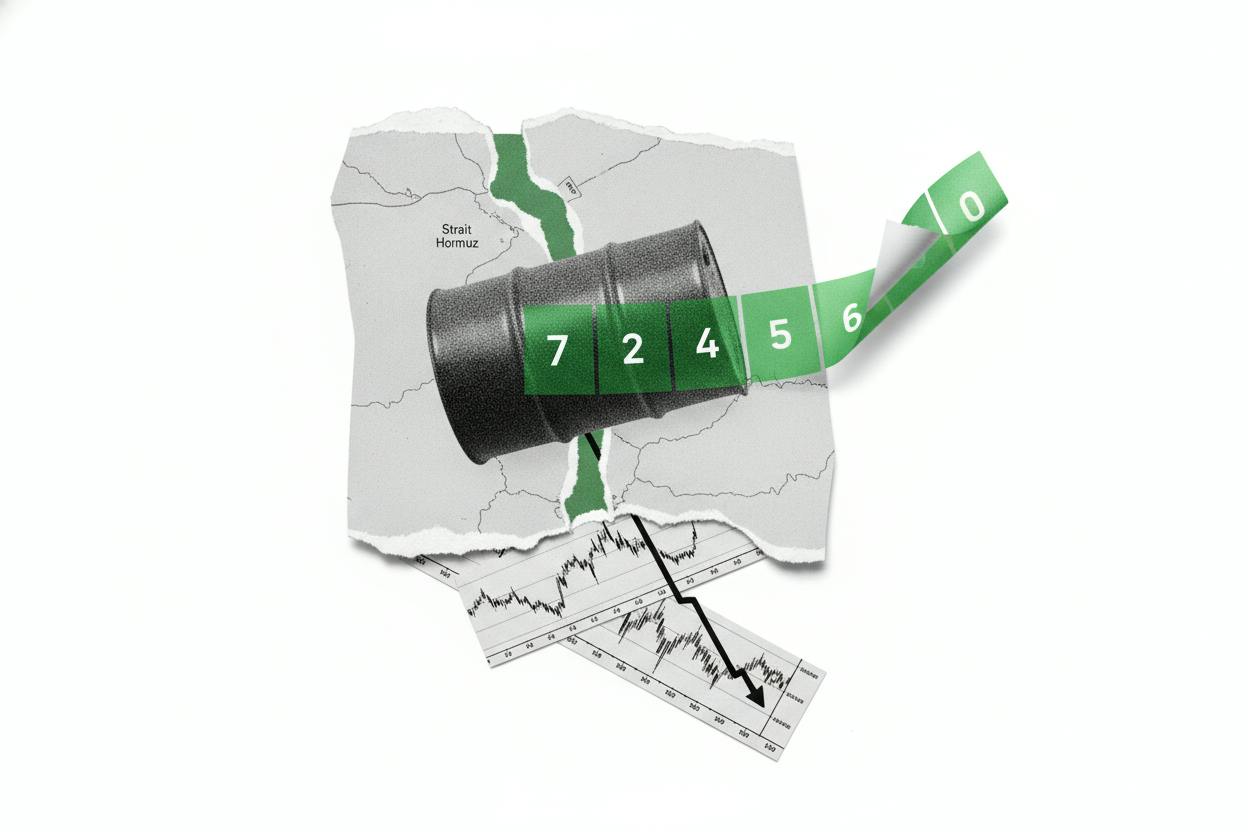
US stocks rose on Friday as oil prices tumbled after Iran's foreign minister floated a conditional plan to reopen the Strait of Hormuz within seven days and restart nuclear talks, according to CNBC. The comments were seen as a potential de-escalation of tensions in the Middle East, a region that plays an outsized role in global energy supplies.
By midday, the Nasdaq Composite was up 0.5% to 27,076.4, the S&P 500 gained 0.4% to 7,738.34, and the Dow Jones Industrial Average added 0.8% to 51,759.62. At the same time, front-month US crude (WTI) fell 2.77% to $91.99 a barrel, while Brent crude, the international benchmark, dropped 2.67% to $103.75.
Why the Strait of Hormuz matters
The Strait of Hormuz is a narrow waterway between the Persian Gulf and the Gulf of Oman. Roughly one-fifth of the world's oil passes through it, making it one of the most critical chokepoints for global energy trade. Any disruption there—whether from military conflict, sabotage, or political brinkmanship—can quickly send oil prices higher and ripple through stock markets worldwide.
Iran has previously threatened to close the strait in response to sanctions or military pressure. So when its foreign minister suggested a conditional reopening within a week, investors took it as a sign that the risk of a sudden supply squeeze might be easing. Lower oil prices are generally welcomed by stock markets because they reduce costs for businesses and consumers, and they can help keep inflation in check.
The move also comes against a backdrop of elevated oil prices. Crude had recently traded above $100 a barrel, a level that tends to raise concerns about inflation and economic growth. The drop on Friday offered some relief, though prices remain historically high.
What it means for investors
For everyday investors, the connection between geopolitics and their portfolios can feel distant, but it is direct. When oil prices fall, energy companies' profits may shrink, but airlines, shipping firms, and manufacturers often benefit from lower fuel costs. Consumers may also see some relief at the pump, which can support spending and, in turn, corporate earnings.
The stock market's positive reaction on Friday suggests that investors are weighing the potential for reduced geopolitical risk and cheaper energy against other concerns, such as interest rates and inflation. In recent weeks, markets have been sensitive to any signs that the Federal Reserve might keep rates higher for longer. A drop in oil prices could help ease inflation pressures, giving the Fed more room to consider rate cuts later this year.
That said, the situation remains fluid. The Iranian proposal is conditional, and there is no guarantee that talks will resume or that the strait will actually reopen. Geopolitical events can change quickly, and oil prices can reverse course just as fast. Investors should be prepared for continued volatility in both energy and equity markets.
Looking ahead
Market watchers will be closely monitoring any further statements from Iran, as well as the response from the US and other world powers. The prospect of renewed nuclear talks could have broad implications for sanctions, oil exports, and regional stability. For now, the market is choosing to focus on the potential for de-escalation, but the underlying tensions remain.
For those with diversified portfolios, the key takeaway is that geopolitical events can create short-term swings, but long-term investing is about staying the course. While it is tempting to react to headlines, history shows that trying to time the market based on news events often leads to missed opportunities. Keeping a balanced mix of stocks, bonds, and other assets can help weather the ups and downs.
As always, it is wise to review your portfolio with a financial advisor to ensure it aligns with your goals and risk tolerance. But for most investors, the best approach is to stay informed, stay patient, and avoid making impulsive decisions based on a single day's headlines.