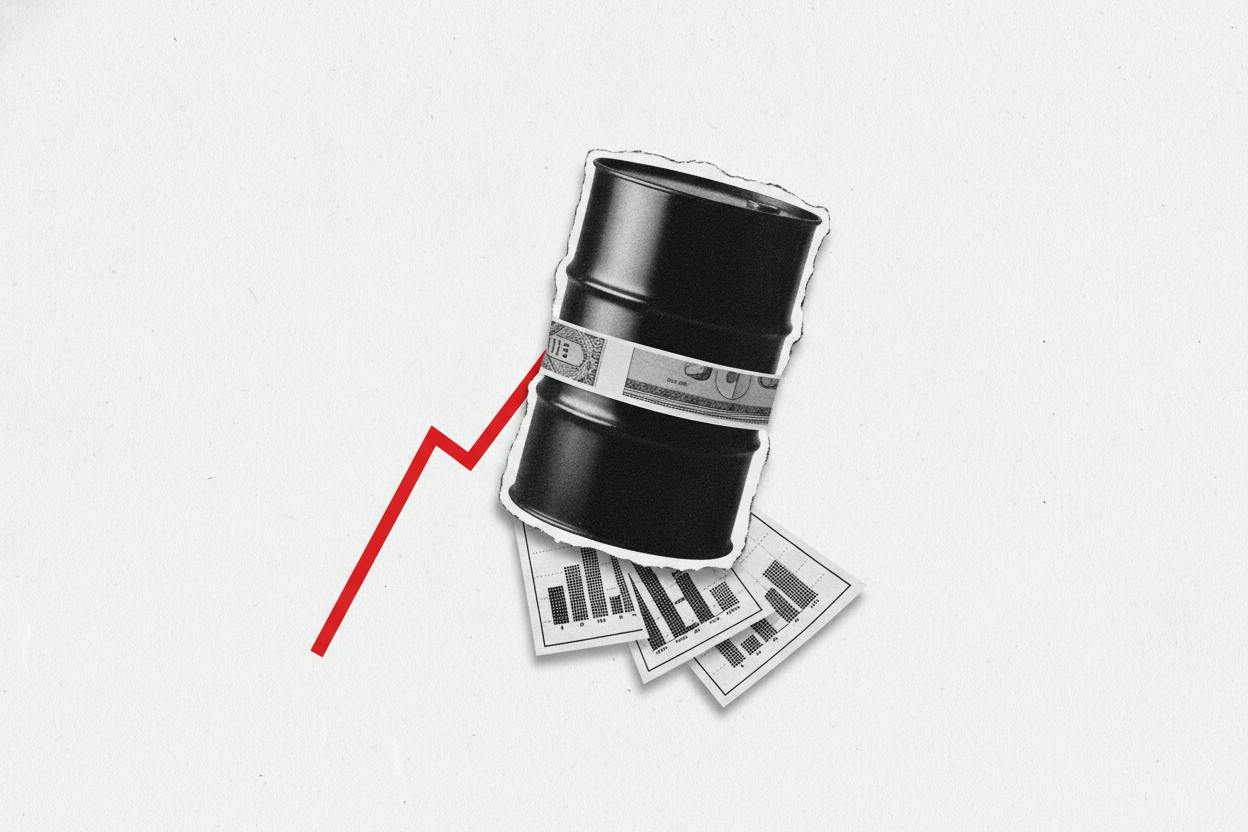
US stock futures slipped in early trading as oil prices climbed back above $100 a barrel and the 30-year Treasury yield reached its highest level since 2002. Investors are now turning their attention to the release of the Federal Reserve's September meeting minutes, which could offer clues about the path of interest rates.
The moves reflect a market being pulled in two directions. On one hand, excitement about artificial intelligence continues to lift big technology stocks. On the other, rising borrowing costs are putting pressure on the rest of the market, especially companies that carry heavy debt or expect profits far into the future.
Why the 30-year yield matters
The 30-year Treasury yield, which recently touched around 5.71%, is a key benchmark for long-term borrowing costs. When this yield rises, it raises the so-called 'risk-free' rate that investors use to value future corporate profits. A higher risk-free rate means future earnings are worth less in today's dollars, which tends to hit stocks with valuations based on growth expected years down the road.
This is particularly challenging for technology and other growth-oriented companies, whose valuations often rely on profits that are expected to materialize well into the future. It also pressures companies with significant debt, as their interest expenses increase.
The last time the 30-year yield was this high was in 2002, a period marked by economic uncertainty and a sluggish recovery from the dot-com bust. While today's economic backdrop is different, the psychological impact of seeing yields at multi-decade highs can weigh on investor sentiment.
Oil's return to $100
Brent crude, the international benchmark, has climbed back above $100 a barrel. Higher oil prices translate into increased costs for transportation, manufacturing, and consumer goods, which can feed into inflation. For central banks trying to bring inflation down, a sustained rise in energy prices is an unwelcome development.
For investors, higher oil prices can squeeze corporate profit margins and reduce consumer spending power. Energy companies, however, often benefit from rising crude prices, as their revenues and profits tend to increase.
The combination of higher oil and higher bond yields creates a tricky environment for stocks. When both are rising, it can signal that the economy is facing inflationary pressures, which might prompt central banks to keep interest rates higher for longer.
What investors are watching next
The immediate focus is on the Federal Reserve's September meeting minutes, due for release later today. Investors will be looking for any hints about the central bank's thinking on future rate moves. The minutes could reveal divisions among policymakers or shed light on how they view the recent rise in long-term yields.
Beyond the minutes, market participants will be watching upcoming economic data, including inflation reports and employment figures, for signs of how the economy is holding up. The interplay between oil prices, bond yields, and corporate earnings will likely determine the market's direction in the coming weeks.
For everyday investors, the key takeaway is that higher yields and oil prices can create headwinds for stocks, particularly those with high valuations or heavy debt loads. Diversification and a focus on companies with strong balance sheets may help navigate this environment.
As the market digests these developments, volatility could remain elevated. Investors should be prepared for swings and keep a long-term perspective, rather than reacting to short-term moves.