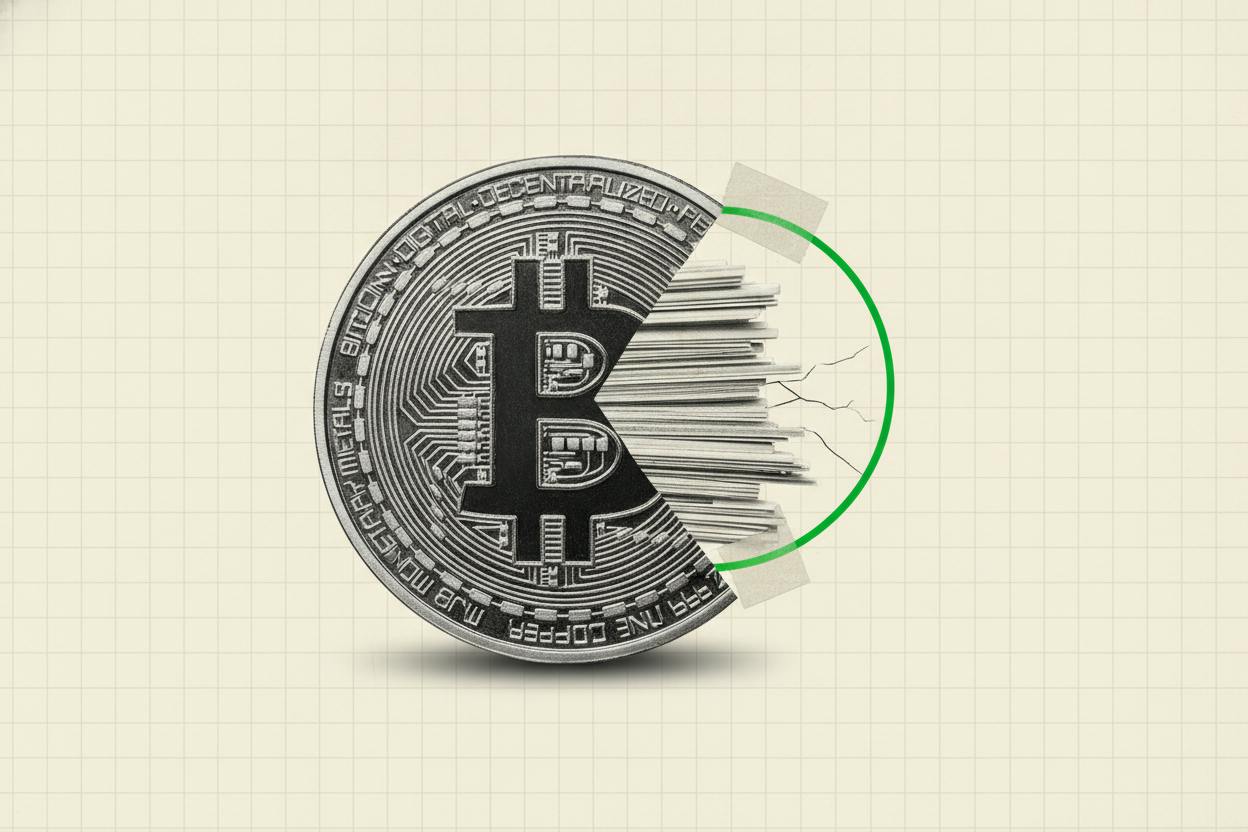
Strategy, the publicly traded company closely tied to bitcoin advocate Michael Saylor, has already sold roughly $218 million worth of bitcoin this year, according to Reuters. The sales come as the firm also arranged for additional potential disposals, raising fresh questions about how digital asset treasury companies manage when token prices fall.
What Is a Digital Asset Treasury Company?
Strategy is part of a growing category of firms known as digital asset treasury companies. These are public corporations that hold large amounts of cryptocurrency on their balance sheets, offering investors a way to gain exposure to crypto through a traditional stock. In rising markets, these companies often raise cash by issuing new shares or debt and then use that capital to buy more tokens. This strategy works smoothly when the stock trades at a premium to the value of the crypto it holds—a metric known as the multiple of net asset value (mNAV).
However, Reuters notes that Strategy's mNAV dipped below 1 late last month. That means the company's stock market value fell below the value of its bitcoin holdings, a situation that can make it harder to raise fresh capital through equity or debt offerings. When the mNAV is below 1, issuing new shares would dilute existing shareholders without the usual premium benefit.
Why the Sales Matter
The $218 million in bitcoin sales this year represent a notable shift for a company that has long been one of the most vocal proponents of holding bitcoin long-term. Strategy has historically used debt and equity raises to accumulate bitcoin, positioning itself as a kind of corporate bitcoin treasury. Selling tokens, even in relatively small amounts, signals that the company may need to generate cash for operational expenses or to manage its debt obligations.
This development comes against a broader backdrop of volatility in the crypto market. Bitcoin has struggled to maintain momentum after a strong rally in 2024, and the overall crypto market value recently stood at around $2.2 trillion, as Bitcoin Holds Above $63,000. For digital asset treasury companies, falling token prices can create a vicious cycle: lower prices reduce the value of their holdings, which can push their stock price down further, making it harder to raise capital to buy more tokens.
What It Means for Investors
For everyday investors, Strategy's bitcoin sales highlight a key risk of investing in crypto treasury stocks. These companies are essentially leveraged plays on the price of bitcoin. When bitcoin rises, the stock can soar as the company's holdings appreciate and it can raise more capital. But when bitcoin falls, the opposite happens: the stock may decline more than the token itself, and the company may be forced to sell at inopportune times.
Investors should also consider the broader regulatory and market environment. The crypto industry continues to face legal and regulatory challenges, as seen in the Crypto Bank Custodia Takes Fed Master Account Denial to Supreme Court case. Such developments can affect investor sentiment and the viability of crypto-focused business models.
Strategy's situation is not unique. Other digital asset treasury companies, such as those holding ether or other tokens, face similar pressures. The key question is whether these firms can maintain their strategies during prolonged downturns. If token prices continue to slide, more companies may be forced to sell, potentially adding downward pressure on prices.
Looking Ahead
Investors will be watching Strategy's next moves closely. The company has arranged for additional bitcoin sales, suggesting it expects to need more cash. Whether it can avoid a fire sale of its holdings will depend on bitcoin's price trajectory and the company's ability to manage its debt and expenses.
For those considering exposure to crypto through stocks, the lesson is clear: these investments carry unique risks tied to the volatility of the underlying tokens. Diversification and a clear understanding of a company's financial structure are essential. As always, past performance in bull markets does not guarantee future results when the cycle turns.