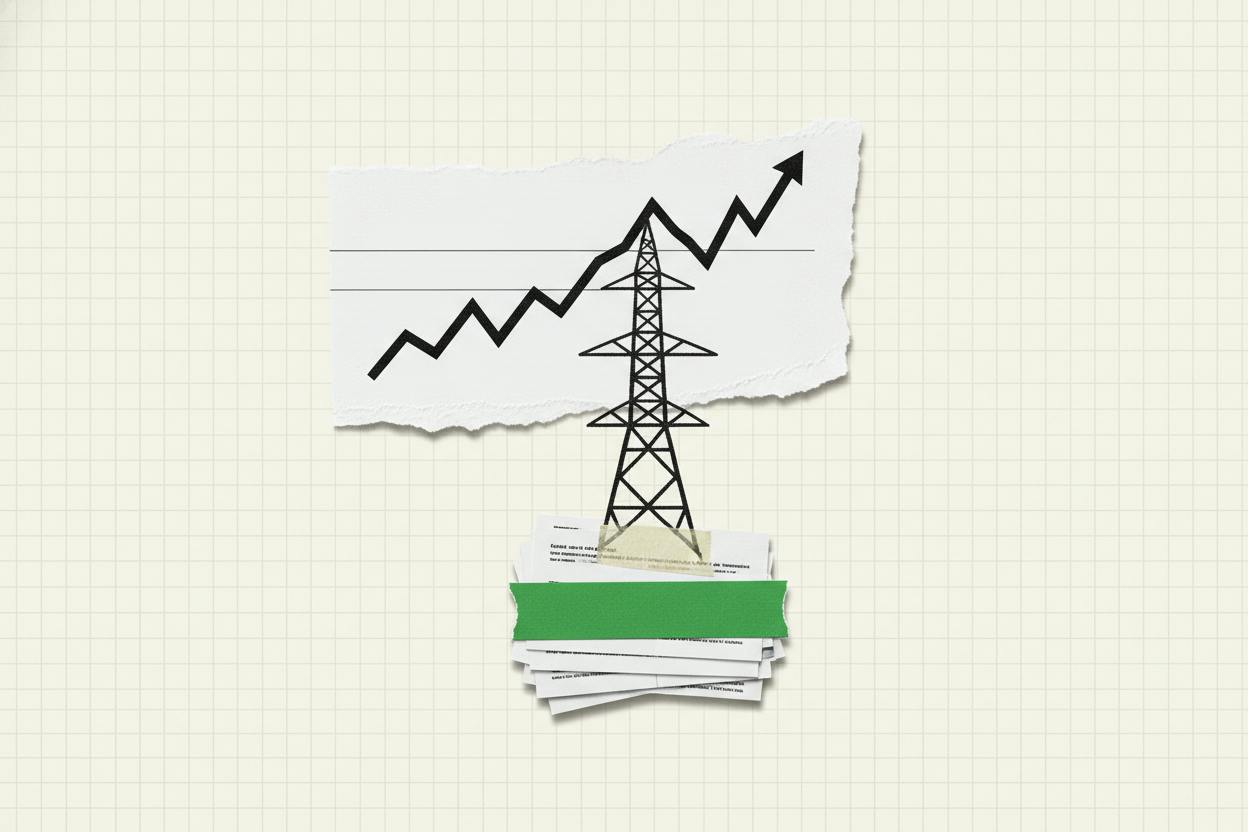
Raw sugar prices took a small step back on Tuesday, slipping 1.5% to 18.45 cents per pound after touching a 16-month high of 18.88 cents. But the dip didn't shake the market's broader optimism: sugar still logged its second consecutive weekly rise, a sign that traders are looking past the one-day pullback and focusing on the bigger picture of shrinking global supplies.
The pullback comes after a strong run-up, and some profit-taking is natural after such a move. Yet the underlying narrative remains firmly bullish, driven by supply concerns in two of the world's most important sugar producers: Thailand and India.
Thailand's Output Slump
Thailand, one of the globe's largest sugar exporters, has flagged a 12.5% drop in production for the 2026/27 season, with output expected to fall to 10.5 million metric tons. That's a significant cut for a country that plays a major role in global trade. When a top exporter produces less, the amount available for the international market shrinks, which tends to push prices higher.
The reasons behind Thailand's decline are familiar to anyone watching agricultural markets: drought, changing weather patterns, and farmers switching to more profitable crops. These are structural issues that don't resolve quickly, meaning the supply squeeze could persist for more than just one season.
India's Import Plans
Meanwhile, India—typically a heavyweight exporter but also a massive consumer—has been trying to keep domestic shelves stocked for the festival season. Reports suggest India is weighing duty-free imports to ensure enough sugar is available for its huge population. If India, usually a net exporter, becomes a buyer, that removes supply from the global market and adds demand, a double whammy that supports prices.
This is a notable shift. India's domestic policies often have outsized effects on global sugar markets because of its sheer size. When India flips from exporter to importer, it can tighten the global balance quickly.
Why Soft Commodities Move in Different Directions
It's worth remembering that "soft commodities"—which include sugar, coffee, and cocoa—don't always move together. Each has its own supply and demand dynamics. Right now, for example, coffee has been pressured by strong Brazilian exports, while cocoa has been lifted by weather worries in West Africa. Sugar's price action is mostly about supply risks in Asia.
This divergence is a good reminder that commodity investing isn't a single bet. Even within the same asset class, the drivers can be completely different. For everyday investors, that means diversification matters even in commodities.
What It Means for Investors
For investors, the key takeaway is that sugar's recent strength is rooted in real supply concerns, not just speculative froth. A 12.5% production drop in Thailand, combined with India's potential move to import, is the kind of squeeze that can keep prices elevated for a while. But it's also important to note that prices have already risen sharply, and a pullback like Tuesday's is a normal part of any rally.
If you're invested in sugar through futures, ETFs, or companies that produce or trade sugar, you'll want to watch a few things: how Thailand's crop develops, whether India actually follows through on duty-free imports, and any weather updates in key growing regions. Also keep an eye on broader market trends, such as how coffee and other softs are faring, as they can offer clues about investor sentiment toward the whole sector.
For most everyday investors, sugar is a niche play. But it's also a useful example of how supply shocks in one part of the world can ripple through global prices. And with inflation still a concern, rising food costs are something to keep in mind for your household budget, even if you don't trade commodities directly.
As always, it's wise to remember that commodity prices can be volatile, and past performance isn't a guarantee of future moves. The current bullish case for sugar is compelling, but it's not without risks—such as a better-than-expected Thai crop or a slowdown in Indian demand. Investors should weigh these factors carefully and consider their own risk tolerance before making any decisions.
In the meantime, the market will be watching for any new supply data, and the next few weeks could be telling. If Thailand's output forecast holds and India confirms its import plans, sugar could have more room to run. If not, the pullback could deepen. Either way, it's a story worth following for anyone interested in how global agriculture shapes prices.