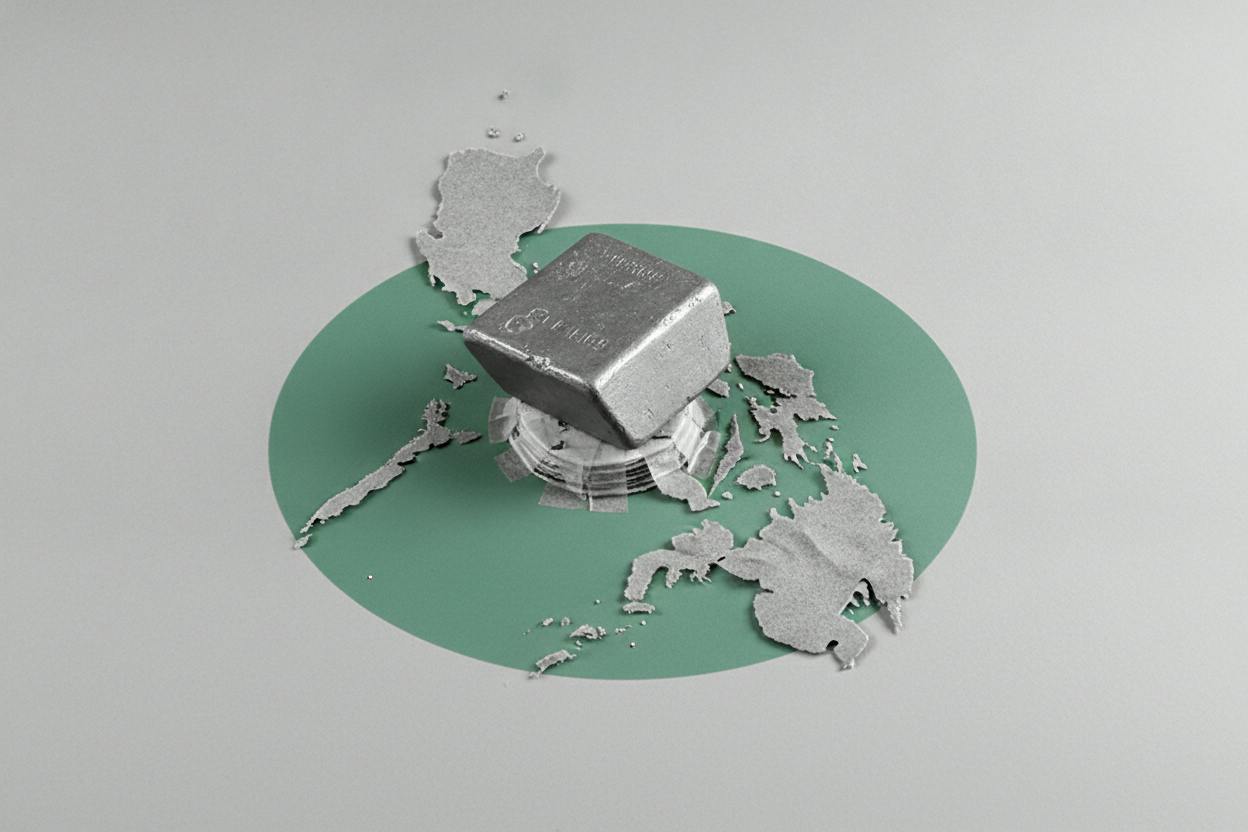
Sumitomo Metal Mining, one of Japan's largest miners and smelters, has slashed its profit forecast for fiscal 2026 by 26% after taking a 42.6 billion yen (about $280 million) impairment charge tied to its Coral Bay Nickel operation in the Philippines. The company also said it now expects the site to cease production sometime between fiscal 2028 and fiscal 2030.
The move is a clear acknowledgment that the nickel processing plant, which has been a key part of Sumitomo's overseas operations for years, will not generate the future cash flows that were once expected. For everyday investors, this is a reminder that even well-established mining companies can face sudden write-downs when commodity prices or project economics change.
What is an impairment and why does it matter?
An impairment is an accounting charge that a company takes when the value of an asset on its balance sheet is higher than the amount it expects to recover from that asset in the future. In simple terms, Sumitomo is saying that Coral Bay Nickel is worth less than what it was previously carrying on its books.
The review that led to the impairment centered on equipment disposal and site restoration costs. These are the expenses that come with shutting down a mine or processing plant: dismantling machinery, cleaning up the site, and meeting environmental obligations. While the impairment itself is a non-cash charge, it signals that real cash will likely be spent in the coming years on decommissioning and rehabilitation.
Despite the write-down, Sumitomo reported a strong first half. Net profit rose 67% year-on-year to 90 billion yen, helped by higher metal prices. But the company still lowered its full-year outlook, now expecting fiscal 2026 net profit of 161 billion yen, down from the previous forecast.
The shift from growth to wind-down
By putting a clear shutdown window on Coral Bay Nickel, management is effectively changing the narrative for the asset. Instead of asking “how much can this plant grow?” the question becomes “how do we manage the run-down and cleanup?”
This shift can have several implications. First, it may change capital spending priorities. Money that might have gone into expanding or upgrading the plant could now be redirected to closure-related activities. Second, the cash that Coral Bay Nickel can contribute before it winds down is now limited, which could affect Sumitomo's overall cash flow in the next few years.
For investors, this is a signal that more of the company's future cash could be earmarked for wind-down and cleanup rather than funding growth or returning capital to shareholders. That can pressure how the market values the broader Philippine nickel business and, by extension, Sumitomo's stock.
What it means for investors
The impairment itself does not mean Sumitomo wrote a check this half. It mainly resets expectations for how much cash Coral Bay Nickel can produce over its remaining life. But the same review that triggered the write-down is a reminder that mine and plant closures come with bills.
Decommissioning, site restoration, and other end-of-life obligations can be substantial. Companies in this position often have to set aside funds or take on additional costs that reduce future profitability. Investors should watch how Sumitomo manages these obligations and whether it can offset the impact with strength in other parts of its business, such as its copper and precious metals operations.
The broader context is also important. Nickel prices have been volatile in recent years, influenced by supply from Indonesia and shifts in demand from the electric vehicle battery sector. Sumitomo's decision to wind down Coral Bay Nickel may reflect a view that the economics of the plant no longer make sense in the current market environment.
For those following the mining sector, this news echoes other recent developments. For example, MC Mining halted its Makhado coal project to rework its plan and funding, showing that project economics can change quickly. Similarly, Eramet is seeking partners for its lithium and nickel projects to fund growth, highlighting the capital intensity of the sector.
Sumitomo's move also comes amid a broader trend of mining companies reassessing their portfolios. Deal activity remains hot across global mining assets, as companies look to focus on higher-return projects and shed or wind down underperforming ones.
Looking ahead
Investors will likely watch for more details on the timing and cost of the Coral Bay Nickel shutdown. The fiscal 2028-2030 window gives the company some flexibility, but it also means the asset will be a drag on results for several years.
For now, the key takeaway is that Sumitomo is being transparent about the challenges ahead. The impairment and the shutdown timeline are a clear signal that the company is prioritizing balance sheet health and long-term value over trying to squeeze more out of a struggling asset.
As always, it's worth remembering that write-downs like this are not uncommon in the mining industry. They are a normal part of the business cycle, especially when commodity prices fluctuate. For everyday investors, the important thing is to understand how such charges affect a company's cash flow and future prospects, rather than reacting to the headline number alone.