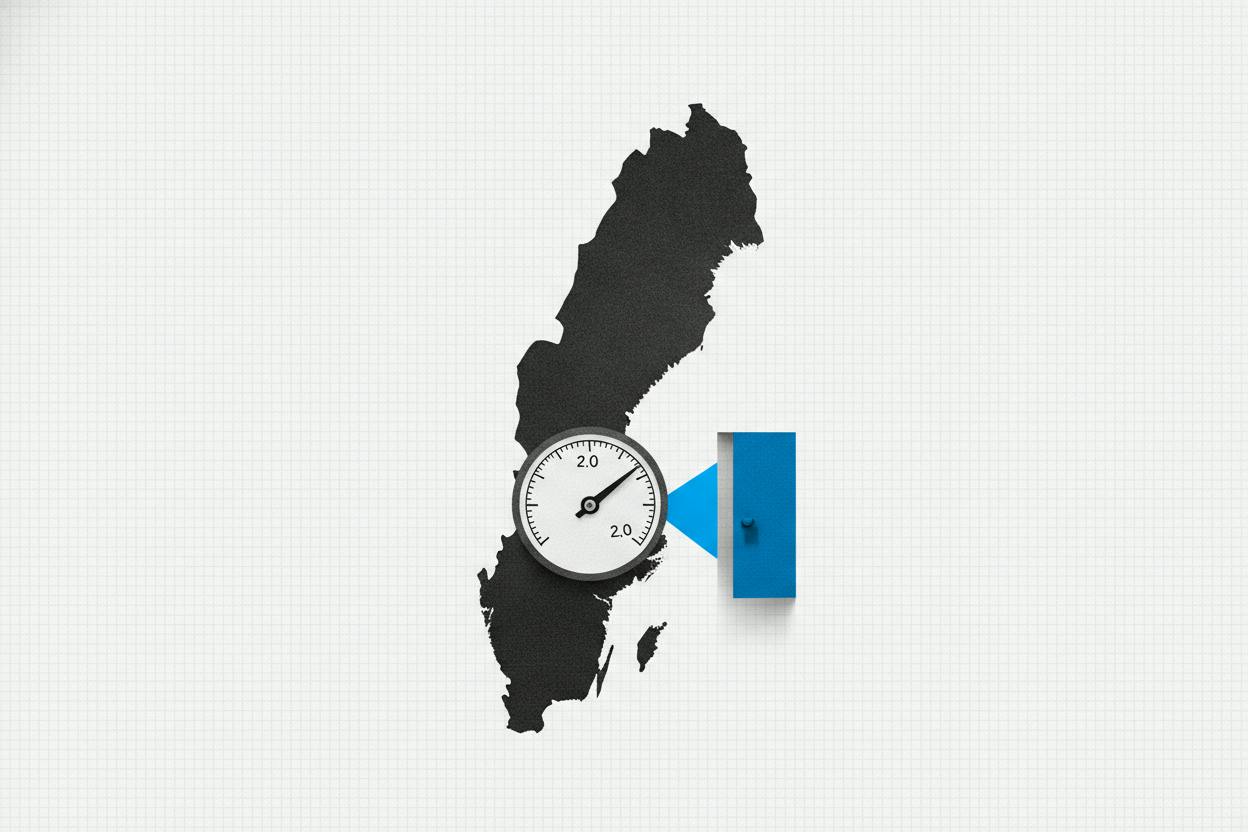
Sweden's central bank, the Riksbank, raised its policy rate by a quarter of a percentage point on Wednesday, bringing it to 2.00%. The move was widely expected, but the bank's forward guidance stole the spotlight: it said another increase is likely in the coming year if inflation and economic activity develop as it projects.
That guidance echoes the bank's September forecast, which already penciled in further tightening. The message is one of conditional resolve: rates are higher now, and they could go higher still, but the pace will depend on incoming data.
Why the Riksbank is staying hawkish
The Riksbank's stance reflects a familiar worry among central bankers: temporary cost pressures, such as energy prices or supply disruptions, can bleed into broader "everyday" prices and keep inflation above the bank's 2% target. Even if the initial shock fades, it can become embedded in wage demands and business pricing decisions.
A firmer Swedish krona helps by making imports cheaper, which eases some of that pressure. But policymakers must balance that benefit against a domestic economy that may not be able to absorb much higher borrowing costs. The result is a delicate balancing act, and the bank's language leaves room to pause if growth stumbles.
This is not an isolated story. Central banks around the world are wrestling with the same tension between fighting inflation and protecting growth. For instance, Australia's central bank recently raised rates but showed a split vote, hinting at a possible pause. Similarly, China's central bank has been easing policy to support its stock market, showing the global divergence in monetary policy.
What it means for borrowers and savers
Central bank decisions don't stay on paper for long. When the Riksbank lifts its policy rate and signals it may do more, it typically pulls up short-term krona interest rates that banks use as building blocks for pricing loans.
That's why floating-rate mortgages and business loans often reprice quickly, while many savings rates adjust more slowly. In practice, households and smaller firms feel it first through higher monthly payments and pricier refinancing, especially as lenders update their offers between meetings and into next year if the bank follows through.
For anyone with a variable-rate loan, the immediate effect is a higher interest bill. For savers, the picture is more mixed: some banks may pass on the increase to deposit rates, but often with a lag and not in full. Floating-rate loans can turn rising rates into income for investors who hold them, but for borrowers they mean higher costs.
What investors should watch next
The key variable is inflation. If price pressures ease faster than expected, the Riksbank could hold off on further hikes. If inflation proves sticky, another increase becomes more likely. The bank's own forecast suggests one more move, but that could change with the data.
Also watch the krona. A stronger currency would help tame import prices and could reduce the need for aggressive tightening. A weaker krona would do the opposite, putting more pressure on the bank to act.
For investors with exposure to Swedish assets, the rate path matters. Higher rates can weigh on housing and consumer spending, which could affect companies in those sectors. On the other hand, banks often benefit from wider net interest margins when rates rise.
The Riksbank's decision is a reminder that the global fight against inflation is not over. Even as some central banks pause or pivot, others are still tightening. Australia's recent rate rise and slowing UK housing demand show how higher rates are rippling through economies. For everyday investors, the takeaway is to stay informed about how rate changes affect your loans, savings, and the companies you own.