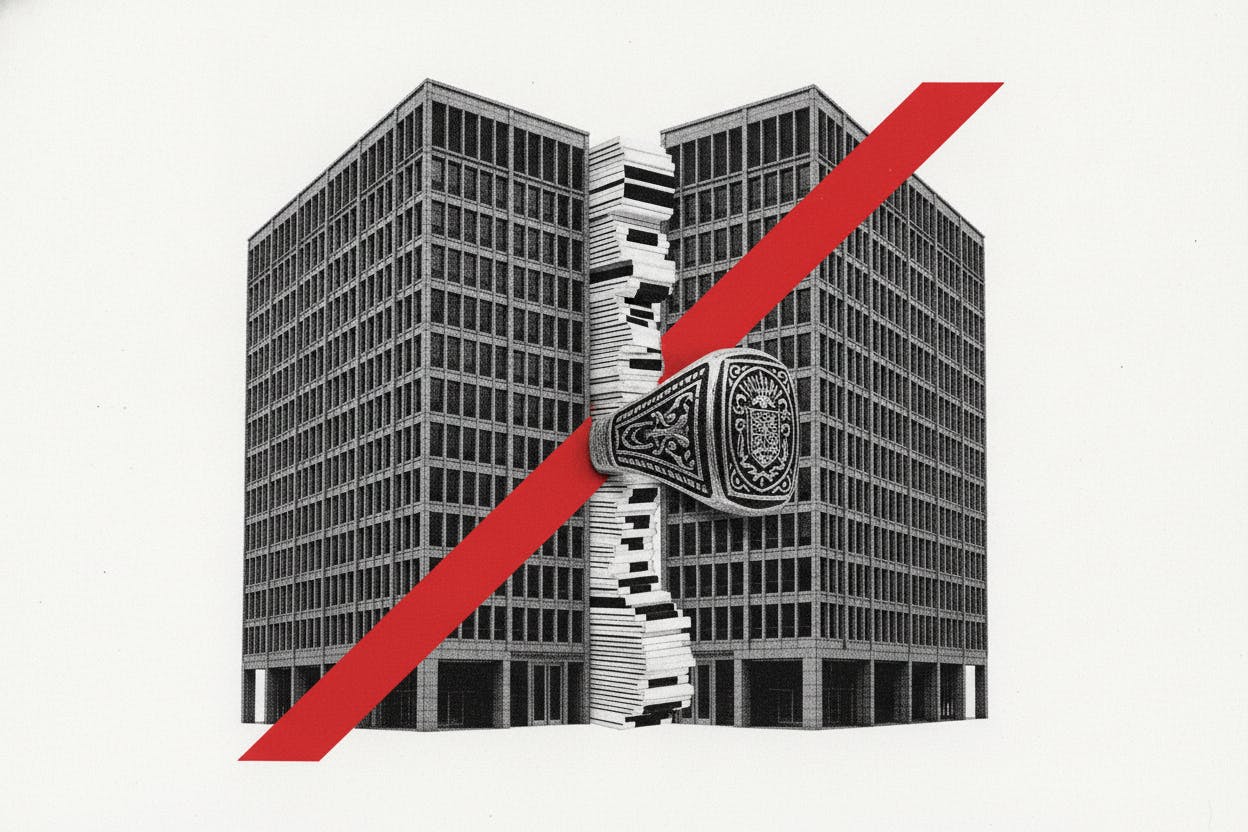
Switzerland has opened a public consultation on a reform package that would tighten the rules around banker bonuses at UBS and other large lenders, part of a broader effort to prevent a repeat of the Credit Suisse crisis. The draft measures would require big banks to tie a larger share of executive pay to long-term performance, with bonuses deferred over four to five years and subject to clawback if losses or misconduct emerge.
The proposals are a direct response to the collapse of Credit Suisse in 2023, which was triggered in part by years of aggressive risk-taking and poorly aligned incentives. Swiss authorities have since been under pressure to show that the country's banking system is safer, especially now that UBS has absorbed its former rival and become an even larger player in the domestic economy.
What the reform would change
Under the draft plan, a "significant portion" of variable pay for top executives and other high earners would have to be deferred over multiple years, typically four to five years. That means a bonus awarded today would not be fully paid out until well into the future, and only if the bank's performance holds up. If losses, misconduct, or other problems surface during that window, the bank would be required to cut or cancel the unpaid portion.
The reform also gives the Swiss financial regulator, FINMA, earlier intervention powers. Currently, FINMA can step in when a bank is already in trouble, but the new rules would allow it to act sooner, before problems become systemic. This is a key shift, as one of the criticisms of the Credit Suisse episode was that regulators did not move quickly enough.
The consultation period will run for several months, and the final rules are expected to be phased in over time. The changes would apply to UBS and other systemically important banks in Switzerland, though the exact scope is still being defined.
Why bonuses matter for stability
Bonuses have long been a flashpoint in banking. The idea behind deferring pay is to align the interests of bankers with the long-term health of the institution. If a trader or executive knows that a chunk of their bonus can be taken back if a deal goes sour, they may be more cautious about taking on excessive risk.
In the case of Credit Suisse, critics argue that the bank's compensation structure encouraged short-term profit-seeking at the expense of long-term stability. The bank suffered a series of scandals and losses before its final collapse, and many of those problems were linked to risky investments and poor oversight.
By pushing more pay into deferred, clawback-eligible structures, Swiss regulators hope to reduce the incentive for bankers to chase quick wins that could blow up later. This is a common approach in other major financial centres, including the UK and the EU, which have introduced similar rules since the 2008 financial crisis.
What it means for investors
For everyday investors, the reform is unlikely to change the day-to-day performance of UBS shares, but it could have longer-term implications. If the rules succeed in curbing excessive risk-taking, they could make the Swiss banking system more stable, which is generally positive for investors who hold Swiss bank stocks or have exposure to the country's financial sector.
However, there is a potential downside. Stricter bonus rules could make it harder for Swiss banks to attract and retain top talent, especially if other global banks offer more generous packages. That could weigh on competitiveness and, in turn, on profitability. UBS has already warned that it may need to adjust its compensation strategy to remain competitive.
Investors should also watch how the reform interacts with other regulatory changes. For example, Swiss authorities are separately considering higher capital requirements for UBS, which could reduce the bank's ability to return cash to shareholders. The bonus rules are part of a broader package of measures designed to make the banking system safer, but they also add to the regulatory burden on the country's largest lender.
For now, the consultation process means nothing is set in stone. The final rules could be watered down or strengthened depending on feedback from banks, industry groups, and other stakeholders. Investors will want to monitor the outcome, as it could affect UBS's earnings and its ability to compete globally.
In the meantime, the broader trend is clear: regulators around the world are pushing banks to tie pay more closely to long-term performance. Switzerland's move is part of that global shift, and it reflects a determination to learn the lessons of the Credit Suisse collapse. Whether it will be enough to prevent the next crisis remains to be seen, but it is a step in that direction.