Syngenta, one of the world's largest crop-chemicals and seeds companies, reported a 10% drop in third-quarter sales to $5.2 billion, as European heatwaves and tighter farm budgets weighed on demand. The weaker top line arrives just as the company lines up a Hong Kong initial public offering (IPO) that Reuters reports could target a valuation of at least $66 billion.
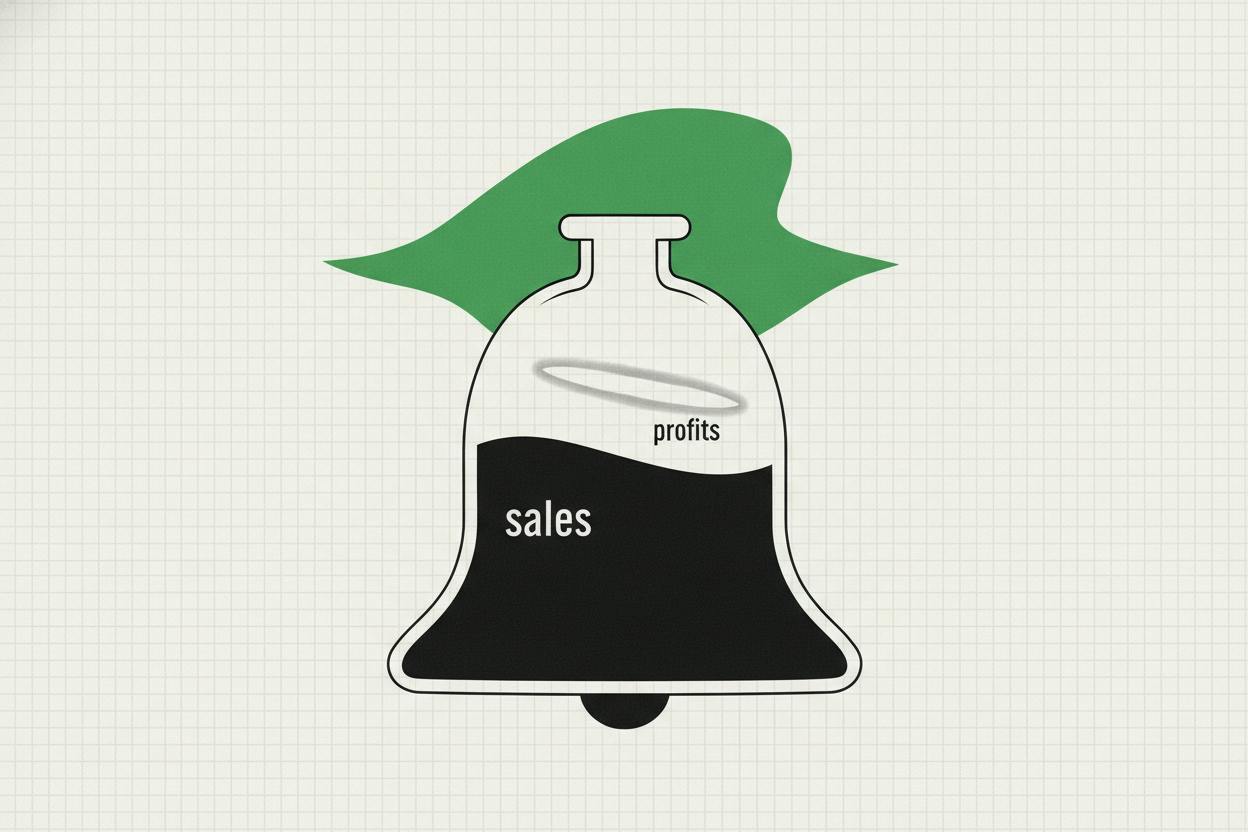
The results highlight a delicate balancing act: sales are falling, but profitability is holding up. Adjusted EBITDA—earnings before interest, taxes, depreciation, and amortization—slipped just 2% to $800 million, and the profit margin rose one percentage point to 18.4%. Management credited a shift toward higher-margin products and the exit from lower-margin businesses like grain trading, even as some older products faced pressure after losing patent protection.
Why farmers are spending less
Syngenta said farmers pulled back on purchases as costs for fertilizer, fuel, and financing stayed high, making the usual seasonal buying patterns less reliable. Heatwaves in Europe added to the strain, reducing crop demand and delaying purchases. This is a common theme across the agricultural sector: when input costs rise and weather disrupts planting or harvesting, farmers tighten spending on seeds and chemicals.
For a company like Syngenta, which relies on predictable seasonal demand, such volatility is a challenge. But the company's ability to protect margins suggests it can adapt by focusing on premium products and cutting less profitable lines. The exit from grain trading, for example, removes a low-margin, high-volume business that could drag on profitability.
The IPO test: can margins convince investors?
IPO buyers don't just look at today's revenue; they're trying to judge how predictable future earnings will be. Syngenta's margin improvement to 18.4% helps its case, because it suggests the company can protect profits even when sales dip, thanks to a higher-margin mix and fewer low-return lines.
But investors may discount that margin if they see the latest sales drop—tied to heatwaves and delayed farm spending—as a sign demand can be uneven, or if patent expirations keep chipping away at pricing power. If those doubts linger, the usual outcome isn't a sudden collapse in the business, but a lower IPO valuation and more fragile early trading as investors demand a bigger cushion for uncertainty.
The company's story is "softer sales, steadier profits," and that's exactly the balance Syngenta will need to sell if it wants investors to accept a premium valuation in Hong Kong. Reuters expects a listing early next year.
What it means for everyday investors
For most people, an IPO like this is not something you can easily buy into—shares are typically allocated to institutional investors first. But the outcome matters for your portfolio if you hold funds that invest in global equities or emerging markets. A successful, well-priced IPO can boost sentiment in the sector, while a disappointing one could weigh on related stocks.
Syngenta's situation also offers a broader lesson: companies with strong margins can weather sales slumps better than those with thin profits. When evaluating any company, look at whether it can maintain profitability even when revenue dips—that's a sign of pricing power and cost discipline.
For context, other companies have faced similar challenges this earnings season. PUMA's Q3 sales slide 6.3% but margins and inventory improve, showing that margin resilience can offset revenue weakness. Meanwhile, Sanofi lifts sales outlook on Dupixent, demonstrating how product mix can drive profitability.
Investors will likely watch Syngenta's next few quarters for signs of demand recovery and whether patent expirations continue to pressure pricing. The IPO's success will hinge on whether the company can convince investors that its margin gains are sustainable, not just a one-off from cost cuts.
In the meantime, the broader agricultural sector remains sensitive to weather, commodity prices, and global trade. Focus Minerals lifts gold sales shows how commodity prices can boost revenues, but for crop-chemicals, the key is farmer confidence and spending power.
As Syngenta prepares for its Hong Kong debut, the market will be watching closely. A $66 billion valuation would make it one of the largest listings in recent years, and its ability to tell a convincing growth story will be critical.