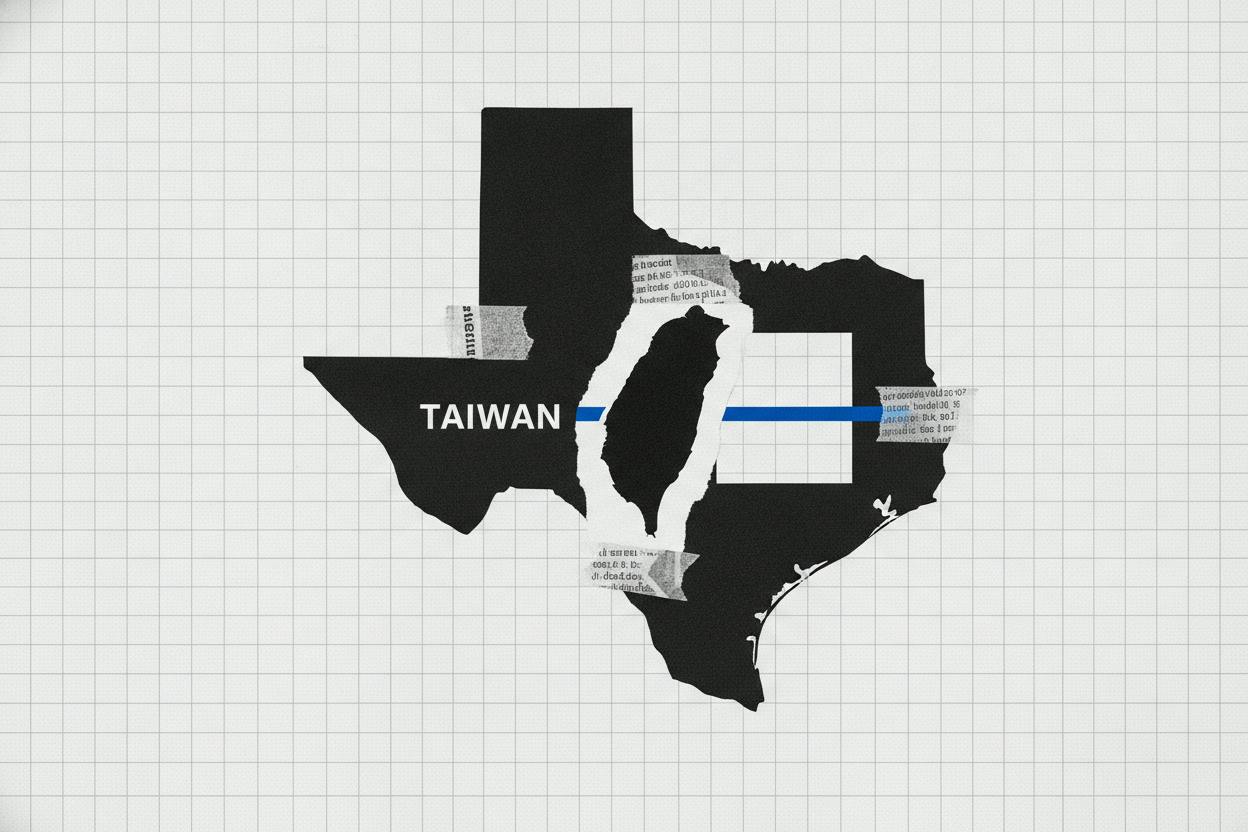
Taiwan's government is throwing its weight behind a plan to build industrial parks in the United States, starting with a multi-billion-dollar complex in Texas, to help smaller electronics suppliers follow the supply chain of AI chip giant Nvidia. The move is a bid to keep Taiwanese firms competitive as the AI boom reshapes global manufacturing.
What's happening?
Taiwan's economics minister, Kung Ming-hsin, told Bloomberg News that the first Texas complex could cost up to $4 billion, with each site estimated at $2-4 billion. The government wants more than one US location, he said. Funding is expected to be raised by the Taiwan Electrical and Electronic Manufacturers' Association, an industry group, while the government helps participating firms with loan guarantees and basics like visas and access to land.
The pitch is simple: by setting up shop near Nvidia and other AI data center hardware players, Taiwanese suppliers can be closer to their biggest customers, reduce shipping times, and avoid potential trade barriers. For years, Taiwan has been the manufacturing heart of the global electronics industry, but the AI era is pushing production closer to where the demand is.
Why Texas?
Texas has become a magnet for data centers and tech manufacturing, thanks to its business-friendly climate, abundant land, and relatively low energy costs. Nvidia's customers, including major cloud providers, are building massive data centers across the state, creating a ready market for the components that Taiwanese firms make—everything from server motherboards to cooling systems.
For smaller suppliers, the move is about survival. Many are used to being part of a tightly knit supply chain in Taiwan, where they can deliver parts overnight. But as AI hardware becomes more complex and customers demand faster turnaround, being closer to the end user is becoming a competitive advantage.
What it means for investors
For everyday investors, this is a signal that the AI boom is not just about chip designers like Nvidia. The entire ecosystem—from component makers to assembly plants—is being reshaped. If you own shares in tech companies or exchange-traded funds that track the sector, this could affect where those companies invest and how they manage their supply chains.
The plan also highlights a broader trend: governments are increasingly intervening to secure critical technology supply chains. Taiwan, which produces the vast majority of the world's most advanced chips, is keen to maintain its edge while also hedging against geopolitical risks. By helping its firms set up in the US, it's also deepening ties with Washington at a time of heightened tensions with China.
For the companies involved, the move could mean higher costs in the short term—building new factories in the US is more expensive than expanding in Taiwan. But it could also open doors to new contracts and reduce the risk of being cut off from the US market.
What to watch next
Investors will be watching to see which companies sign up for the Texas park and how quickly construction proceeds. The Taiwan Electrical and Electronic Manufacturers' Association will need to raise billions of dollars, which could involve contributions from major players as well as smaller firms. The government's loan guarantees will be crucial in making the numbers work.
Also worth watching is whether other US states will compete for the next site. The minister said Taiwan wants more than one location, so expect a bidding war among states eager to attract high-tech manufacturing jobs.
For now, the plan is in its early stages, and details are still being worked out. But the message is clear: Taiwan is betting that the future of AI hardware will be made in America, and it wants its companies to be part of that story.
Related: Taiwan's president urges Micron and unions to negotiate as a strike vote looms, and a chip selloff in South Korea and Taiwan recently dragged the MSCI emerging markets index to a two-month low. Also, AI spending doubts have hit chip stocks in the region.