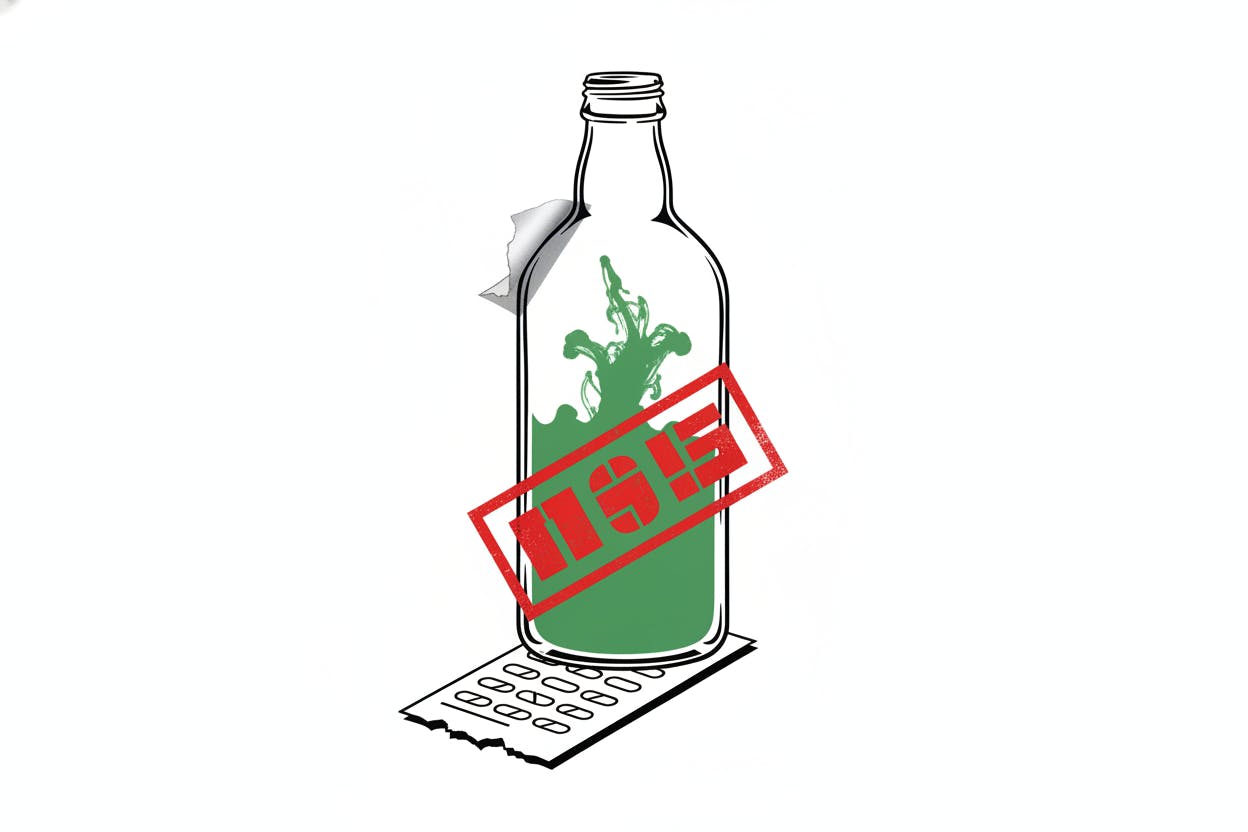
Taiwan's Taisun Enterprise, a major packaged-foods company, has been hit with a total of NT$6 million in fines after a contamination incident involving its soybean salad oil. The Changhua County Health Bureau penalized the company after benzopyrene (BaP), a potentially carcinogenic contaminant, was detected above legal limits in products manufactured by its contract partner, Chung Lien Oils & Fats.
The fines come in two parts: an initial NT$3 million for delayed notification and other regulatory deficiencies, followed by an additional NT$3 million after officials determined that Taisun failed to fully explain when it learned about the issue and how affected products were handled. The health bureau treated this lack of clarity as obstruction of the investigation.
What Is Benzopyrene and Why Does It Matter?
Benzopyrene is a polycyclic aromatic hydrocarbon (PAH) that forms when organic matter is burned or heated at high temperatures. It is classified as a probable human carcinogen by the International Agency for Research on Cancer (IARC). In food products, it can appear when oils are processed at excessive temperatures or when raw materials are contaminated during drying or roasting.
Taiwan's food safety regulations set strict limits for BaP in edible oils. Exceeding those limits triggers mandatory recalls, fines, and potential criminal liability for company executives. The incident has put Taisun's supply chain oversight under the microscope.
Company Response and Market Reaction
Taisun disclosed the fines in a filing to the Taiwan Stock Exchange on Friday, stating that it would carry out corrective steps required by the competent authority. The company emphasized that the contamination occurred at its contract manufacturer, but regulators have focused on Taisun's own reporting failures.
Investors reacted negatively to the news. Taisun's shares fell 4% on Monday, reflecting concerns that the incident could lead to deeper scrutiny and higher operational costs. The stock decline suggests that the market sees the fine as more than a one-time expense.
What It Means for Investors
For everyday investors, the NT$6 million penalty is a relatively small sum for a company of Taisun's size. But the real risk lies in how regulators and the market interpret the incident. When a contamination case involves delayed reporting or obstruction, it shifts the narrative from a supply chain glitch to a potential governance problem.
That distinction matters because it can lead to lasting consequences. Companies in this position often face demands for stronger oversight, which translates into recurring costs: more frequent batch testing, additional audits, tighter supplier contracts, and slower product approvals while regulators verify that fixes are in place. These operational drags can eat into profit margins far more than a one-time fine.
Investors should also watch for potential follow-on effects. The incident could prompt regulators to increase inspections across Taisun's product lines or impose temporary production halts. Similar cases in the food industry have sometimes led to broader recalls or even criminal charges if negligence is found.
Broader Context for Taiwan's Food Sector
This is not the first food safety scandal to hit Taiwan. The island has a history of high-profile contamination cases, from adulterated cooking oil in 2013 to tainted starch products. Each incident has led to tighter regulations and more aggressive enforcement by local health bureaus.
For Taisun, the timing is particularly sensitive. Taiwan's central bank has recently raised its inflation forecast after a Q2 CPI overshoot, as covered in our earlier report. Rising food prices make consumers more sensitive to quality issues, and a contamination scandal could damage brand loyalty just as households are watching their budgets.
Meanwhile, Taiwan's broader economy is riding an AI-driven boom, but the central bank has warned that debt-fueled expansion risks a bubble, as we discussed in this article. In that environment, any company with perceived governance weaknesses may face higher borrowing costs or stricter terms from lenders.
What to Watch Next
Investors should monitor several developments in the coming weeks:
- Regulatory follow-up: Will the health bureau impose additional penalties or order a broader recall? Any escalation could trigger further stock declines.
- Supplier audits: Taisun may need to overhaul its contract manufacturing agreements, potentially raising costs or disrupting supply.
- Consumer response: Sales data for Taisun's oil products will show whether the contamination has hurt demand. A sustained drop would hit revenue more than any fine.
- Peer impact: Other Taiwanese food companies with similar supply chain structures could face increased scrutiny, as regulators may expand inspections across the sector.
The incident also echoes a pattern seen in other industries. For example, South Bow's stock dipped after a $26 million settlement over a 2022 oil spill, showing how environmental and safety failures can weigh on valuations even after fines are paid. The key difference is that South Bow's penalty was tied to a single event, while Taisun's obstruction finding suggests a potential systemic issue.
For now, Taisun's fine is a defined cost. But the reputational damage and regulatory friction could linger, making this a story worth watching for anyone invested in Taiwan's food sector or emerging market consumer stocks.